Prince George, 19 stages, and the *missing on-ramp*
The 2026 IPSC Canadian Handgun Nationals prove the sport still has serious Canadian infrastructure. The harder question is how new shooters are supposed to enter it.

Opinion. A 19-stage national handgun match is not what a dead sport looks like. It is what a sport with a damaged on-ramp looks like.
The Canadian Coalition for Firearm Rights posted its event listing for the 2026 IPSC Canadian Handgun Nationals on July 3. The match runs July 27 to August 2 in Prince George, B.C., hosted by Prince George Rod & Gun Club with IPSC BC support. The official match site lists 19 stages plus chrono and a minimum of 348 rounds.
That is not a vague "gun culture" claim. That is a real match with dates, bays, travel plans, squadding, ammo logistics, sponsors, volunteers, and a range address.
It also exposes the question Canadian handgun policy keeps trying to talk around. If the sport is organized enough to run a national championship, why has federal policy made the ordinary path into it so narrow?
A real match, not a slogan
The Prince George Nationals site reads like match administration, not politics: prematch and officials July 27-28, Main Match Non-Teams July 29-30, Main Match Teams July 31-August 1, and August 2 held for rain day, shoot-off, banquet, and awards.
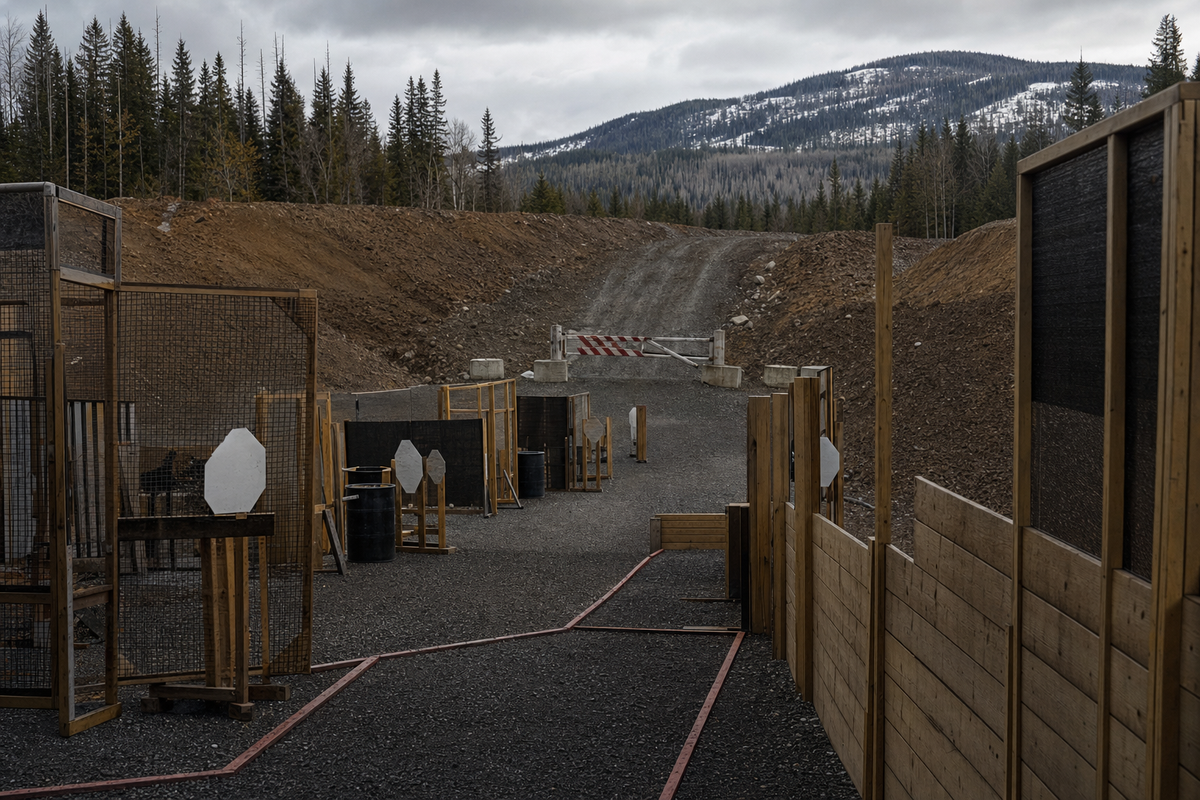
The event page lists Blackwater Road as the range location. Prince George Rod & Gun Club describes itself as the largest range facility in northern B.C., with two sites. Hartman has handgun, shotgun, centrefire rifle, rimfire, action bay, small-bore silhouette, black powder, and indoor airgun facilities. Blackwater has a 1,400m rifle range and seven action shooting bays for IPSC, Multigun, training, and similar use.
That matters because the most boring parts of a match are often the strongest evidence for the sport. A discipline that can build a seven-day national calendar, run chrono, arrange match ammunition pickup, pull sponsors, and turn an out-of-town range into a destination is not a loophole wearing a jersey.
It is infrastructure.
I have learned, slowly and not always cheaply, that the first hard part of Canadian shooting is often finding the lawful place, membership, gear, paperwork, date, and people who can turn interest into practice. The target may humble you later. The logistics get the first swing.
Prince George has the logistics.
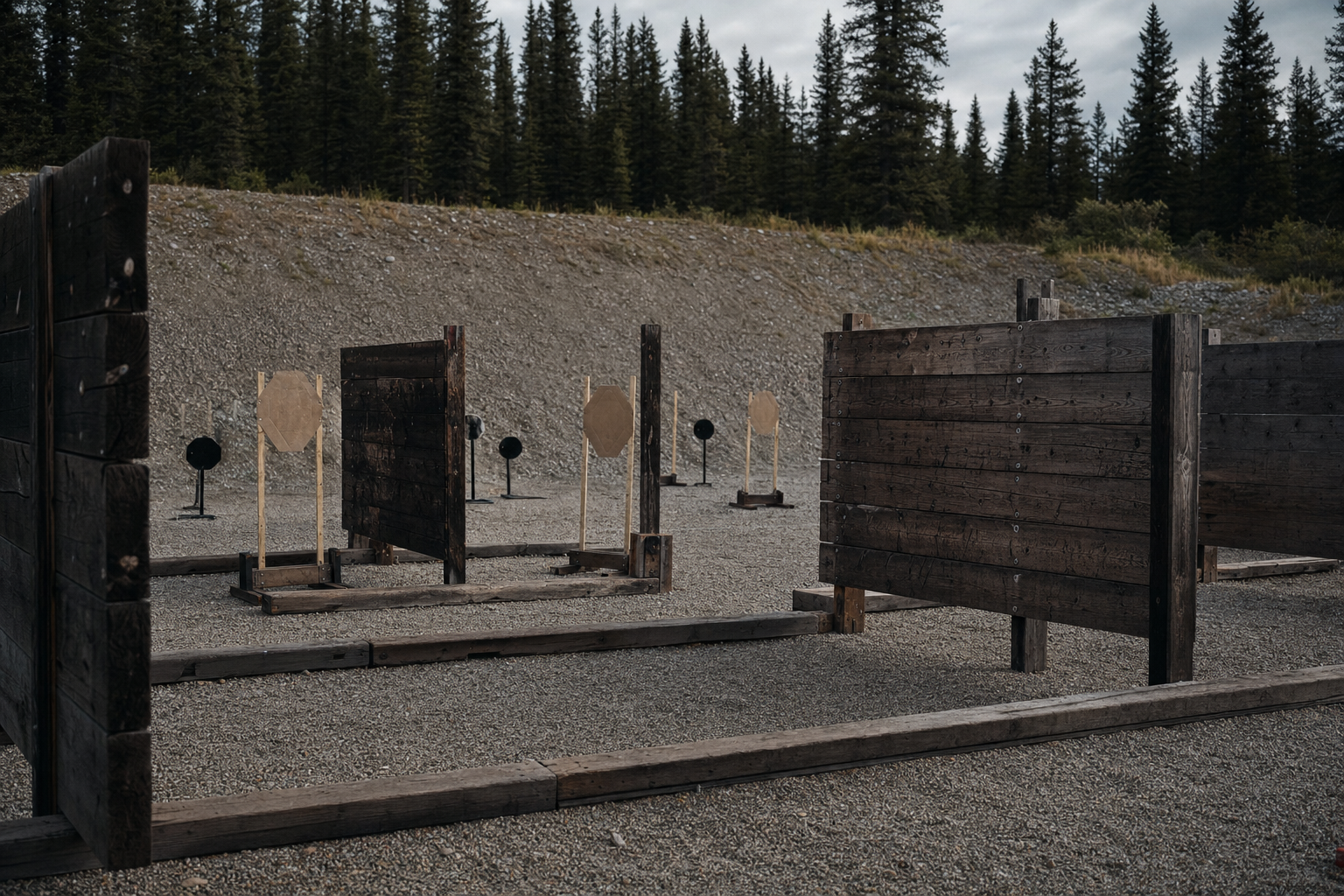
The club is the evidence
The useful thing about Prince George Rod & Gun Club is that it shows the parts of shooting culture that public policy flattens.
The same club site that points to handgun and IPSC also points to small-bore, silhouette, trap, black powder, PG Steel Shooters, and an ELR program at Blackwater. The ELR page describes monthly practices with equipment support, orientation, everyone helping with setup, and a "friendly no-pressure atmosphere."
Canada has real criminal violence, smuggling, gang enforcement, mental-health, bail, and repeat-offender problems. The frustrating part is that licensed clubs and vetted shooters keep getting rhetorically dragged into files they did not create.
Blackwater is a better witness than the caricature.
There are berms, bays, sign-ins, schedules, range commands, volunteers, insurance, equipment, training, and people who know that the timer beep is not a personality. Public policy should be able to distinguish that world from the criminal one.
The freeze changed the future tense
Here is where the national match becomes a policy story.
Public Safety Canada says the national freeze on the sale, purchase, or transfer of handguns by individuals within Canada, and on bringing newly acquired handguns into Canada, came into force on October 21, 2022 and has since been codified through former Bill C-21. The current page says individuals can no longer acquire handguns except in specific cases, including certain Authorization to Carry holders and people training, competing, or coaching in a handgun discipline on the International Olympic Committee or International Paralympic Committee program.
The RCMP's current classes-of-firearms page says existing owners may continue to possess and use handguns registered to them before October 21, 2022. It also points to the same narrow exemption lane.
That distinction is the whole article.
The handgun freeze did not make the Prince George Nationals disappear. Existing competitors can still own registered handguns, train, travel, and compete within the law. Clubs can still host. Volunteers can still build stages. Sponsors can still help.
The future tense matters. Who can start? Who can replace the competitor who ages out, sells off, moves away, burns out, or breaks the one pistol they are allowed to have? Who can go from curious to useful on a match crew without borrowing their way through a sport that used to have an ownership path?
That is not whining about paperwork. Paperwork is the Canadian air we breathe. It is the difference between a strict sport and a closed cohort.
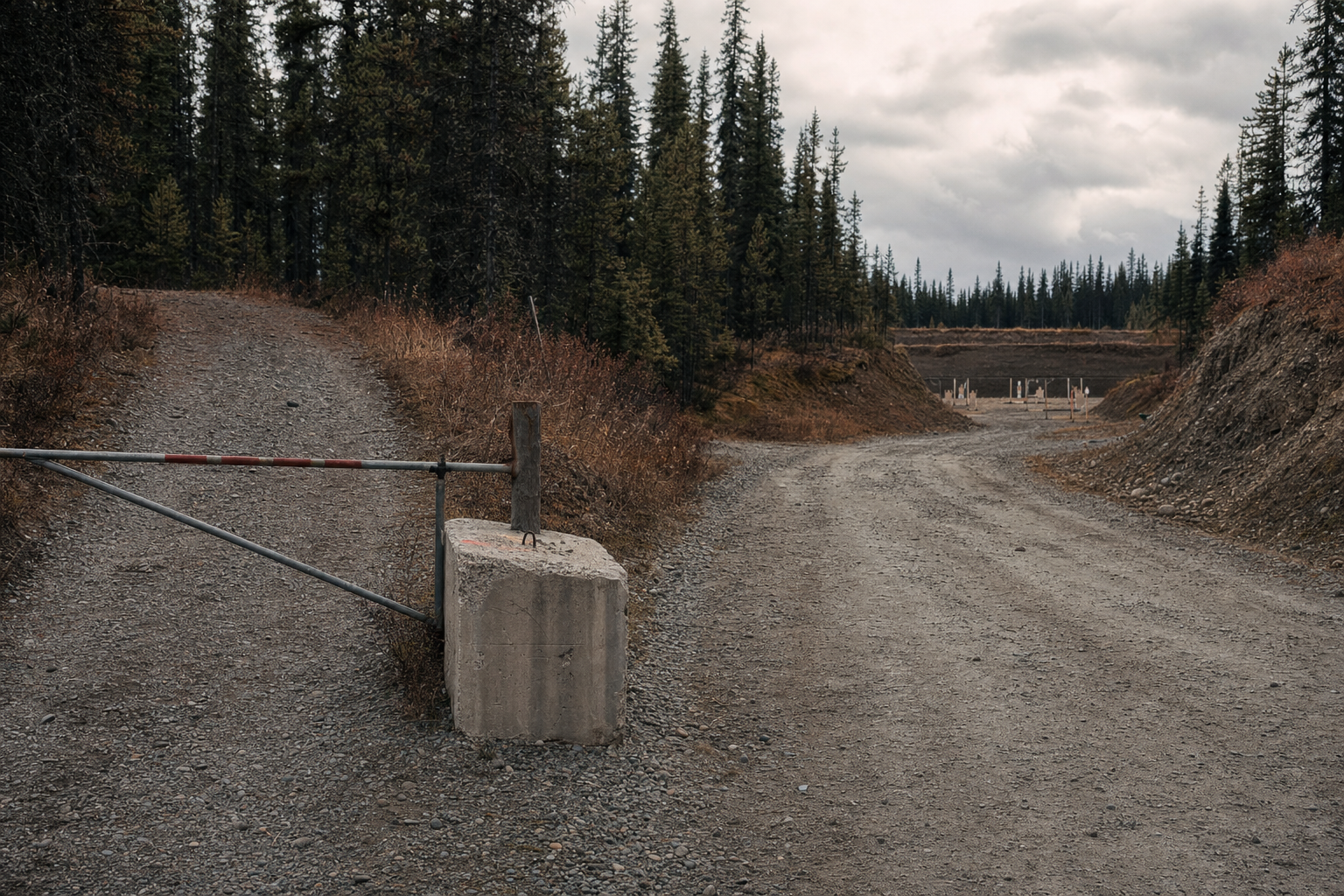
New shooters need more than permission to watch
There are still ways for a curious person to touch the edge of the discipline. Clubs can run intro days. Friends can lend gear under supervision where the law and range rules allow it. Airgun, rimfire, shotgun, precision rifle, black powder, and other lanes can teach useful habits.
That still does not answer the handgun question. IPSC is a specific sport with specific equipment, stage craft, range officer culture, penalties, movement, reloads, target accountability, and a training ladder that depends on practice. A person cannot become serious in a discipline forever as a guest hovering around the edges of someone else's kit.
The policy defence is usually that existing owners can still use what they already have. That is true, and it is better than confiscation. It is also not renewal.
The sport can run, host, and post a national championship schedule. It still needs a way in.
The starting line still matters
The Prince George listing is good news in the plain sense. A Canadian club is hosting a national match, with stages to build, competitors to squad, sponsors to thank, and a week in northern B.C. where lawful handgun sport will look like what it actually is: disciplined, local, and organized.
That should matter to people who claim to care about evidence.
If the public story about firearms only has room for crime scenes and campaign language, it is a filter. The Prince George match shows the lawful side in full administrative colour: range bays, chrono, minimum round count, official schedule, club infrastructure, and the ordinary seriousness of people who show up.
The harder question is whether Canada wants that world to renew itself or merely age in place.
Nineteen stages can prove the sport is alive. Seven action bays can prove the club culture is real.
None of that repairs the on-ramp.
A sport survives on more than possession. It survives when the next serious person can still become useful on the line.
Sources
- Canadian Coalition for Firearm Rights,
2026 IPSC Canadian Handgun Nationals: https://firearmrights.ca/event/2026-ipsc-canadian-handgun-nationals/ - 2026 IPSC Canada Handgun Nationals, official match site: https://nationals.pgrgclub.ca/
- IPSC BC event listing,
2026 IPSC Canada Handgun Nationals - Prince George, BC: https://widgets.ipscbc.com/feeds/events/event.aspx?cid=1693&id=305&wid=4101 - Prince George Rod & Gun Club, home page: https://pgrgclub.ca/
- Prince George Rod & Gun Club, sections page: https://pgrgclub.ca/rifle-pistol-styles/
- Prince George Rod & Gun Club, ELR Program: https://pgrgclub.ca/rifle-pistol-styles/elr-program/
- Public Safety Canada,
Former Bill C-21: Keeping Canadians safe from gun crime: https://www.publicsafety.gc.ca/cnt/cntrng-crm/frrms/c21-en.aspx - RCMP,
Classes of firearms in Canada: https://rcmp.ca/en/firearms/classes-firearms/classes-firearms-canada
The amnesty file is still moving.
If this piece sent you back to government pages, do not wait for the next portal, Gazette, or court move to find you by accident.
The Dispatch follows Public Safety, RCMP, Canada Gazette, court, compensation, collection, and amnesty updates so the next change comes with the source that moved.
Safety note: the tracker is a worksheet for source hygiene, not legal advice or a substitute for current official guidance.