The smart scope can *wait*
Smart optics are becoming visible in the Canadian precision aisle. For a newer shooter, the screen is still the wrong first shortcut.

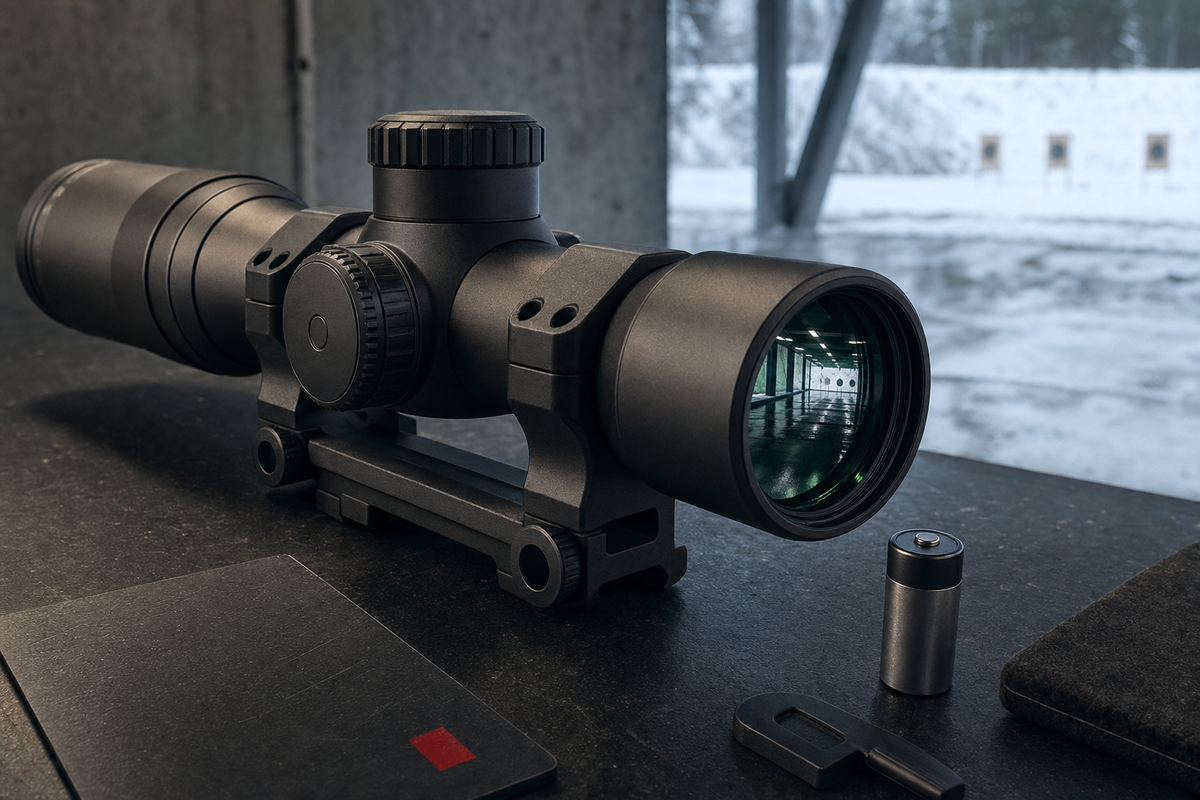
Opinion. The tiny display inside a riflescope is going to sell a lot of daydreams to newer precision shooters. Some of those daydreams will even be useful. Just not first.
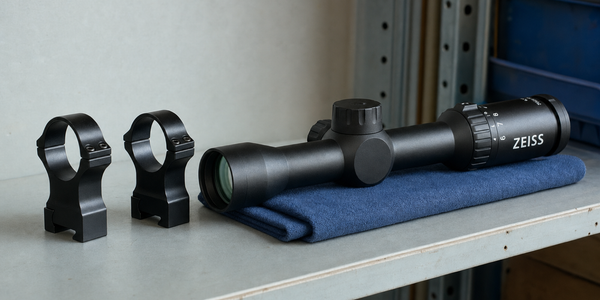
The current smart-optics pitch is no longer science fiction from a booth video. Burris has the XTR PS family, with a programmable electronic elevation system and an in-scope display. Revic's Radikl SmartScopes put a ballistic engine, onboard sensors, and a Micro OLED heads-up display into a serious long-range optic. SHOT Show 2026 coverage treated computational optics as a real category, not a party trick. In Canada, the Burris XTR PS is already visible through normal buyer channels, including Canadian distributor support and dealer listings around the mid-$3,000 CAD mark.
That is enough to make a newer Canadian precision shooter stop scrolling.
It is not enough to make the screen the first answer.
The pitch is not silly
The honest version of the smart-scope pitch is better than the reflexive eye-roll. Burris's XTR PS manual describes a display that can show elevation position, rifle cant, wind inputs, density-altitude table, battery state, and a match timer. The BurrisConnect app handles the ballistic profile. Revic goes further, with a system that accounts for aerodynamic jump, spin drift, Coriolis, angle, pressure, temperature, and direction data before showing a solution in the optic.
For a shooter who already has a rifle sorted, confirmed data in the book, and enough wind experience to distrust a number at the right moment, that can save time. On a clock, time matters. On an unknown-distance hunting shot, a clean solution path matters. On a match stage where the shooter knows what the computer is doing, compressing the routine is a real advantage.
That is the important caveat. The tool gets more useful after the shooter has earned the ability to check it.
The money still has a job
The problem is not that the electronics are fake. The problem is that the money is real.
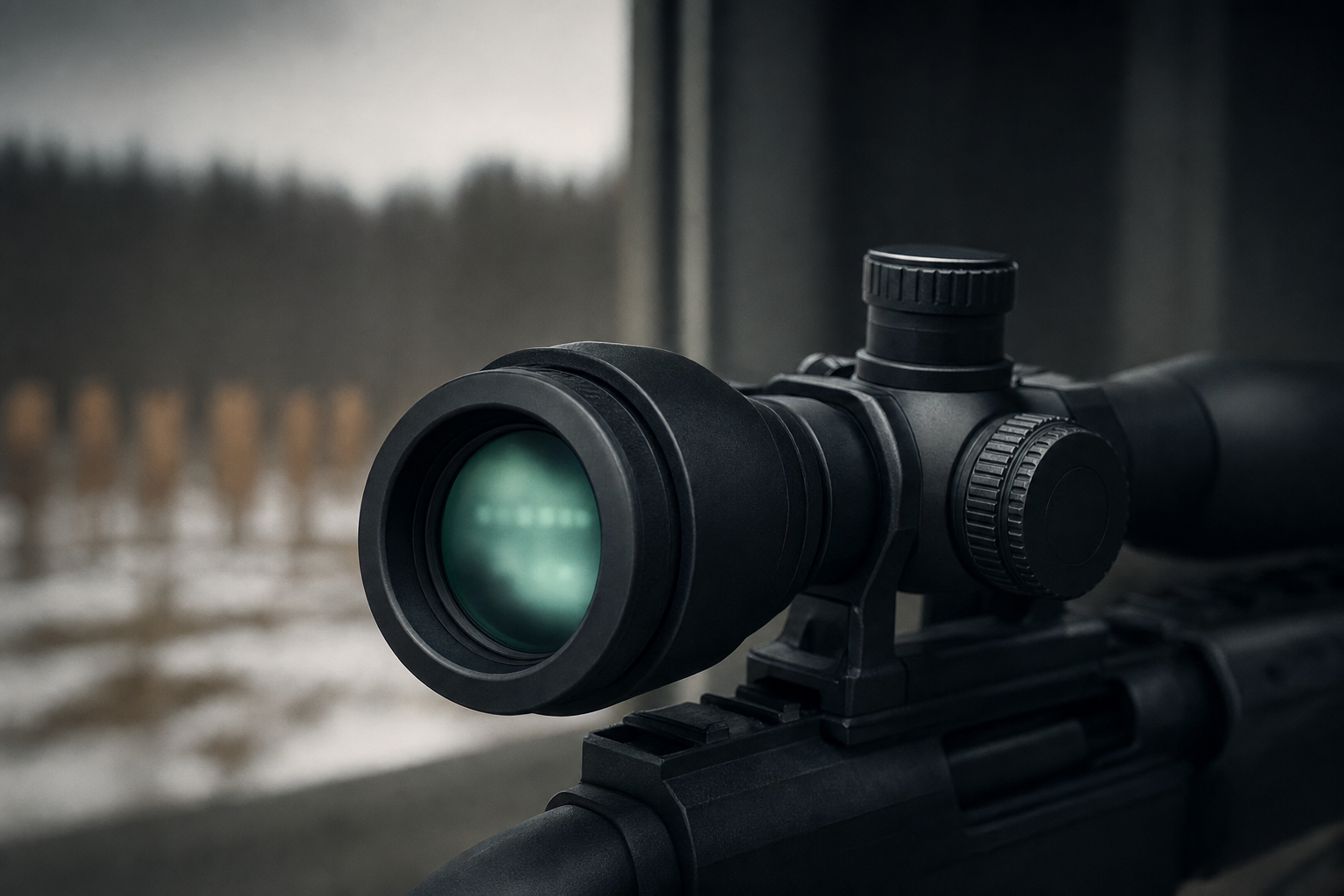
Calgary Shooting Centre showed a Burris XTR PS 5.5-30x56 at $3,565 CAD when checked. An Al Flaherty's dealer thread on Canadian Gun Nutz listed the same basic model at the same price in May. That is not pocket-change accessory money. That is a meaningful share of a first precision setup, before rings, rail, level, torque tools, range time, ammunition, travel, match fees, and the inevitable little box of things nobody told you would be necessary.
I have never regretted spending money on glass that tracks. I have regretted the confidence that comes from a spec sheet before the rifle has earned it. The invoice has a nasty habit of continuing after the exciting line item. Rings still matter. Eye position still matters. A turret that returns to zero still matters. A rifle that gives you repeatable data still matters.
The screen does not cancel any of that. It just gives the old work a newer interface.
The screen cannot read the range for you
There is a basic precision lesson hiding under all this technology: the number is not the shot.
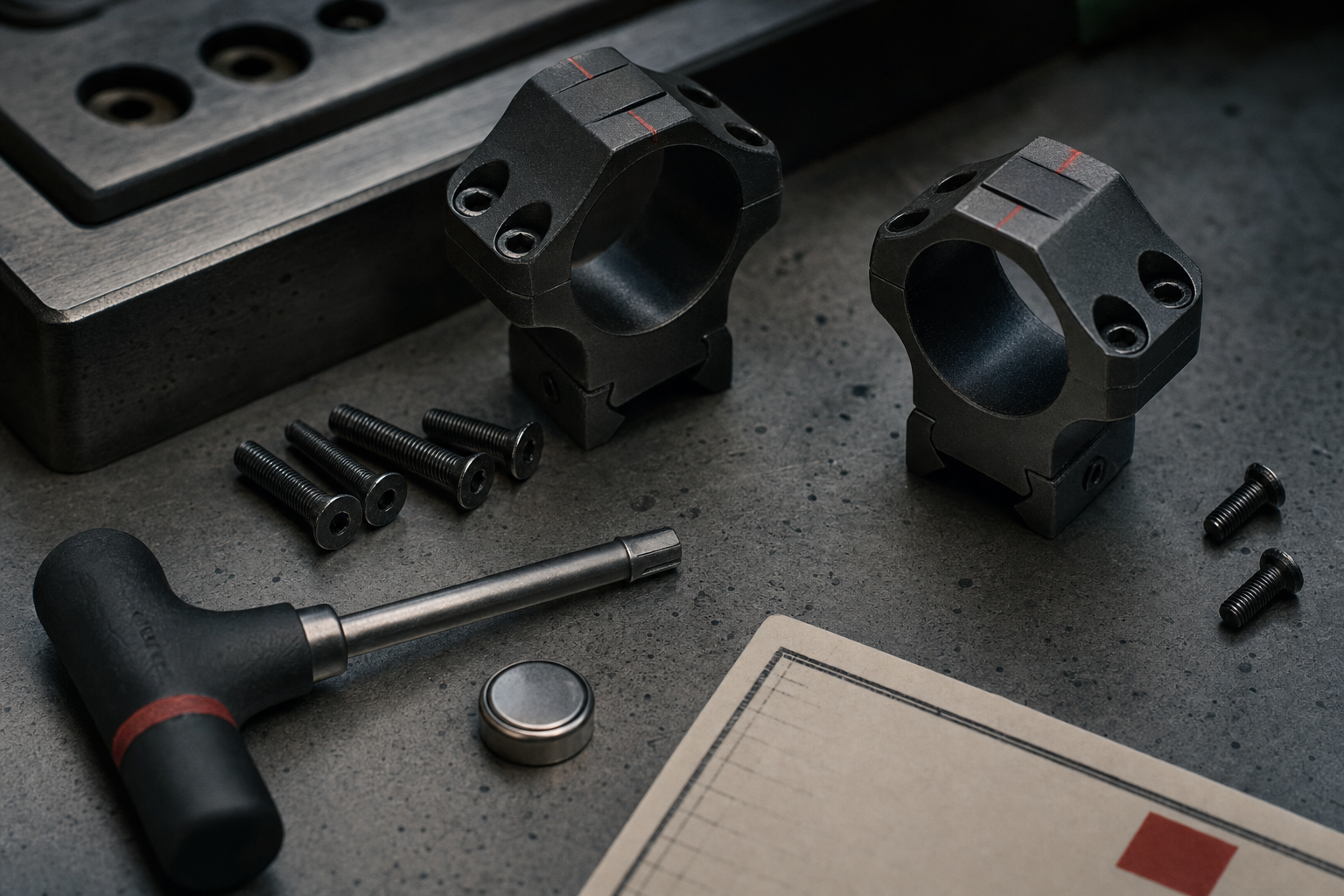
A ballistic display can tell you what the profile predicts. It can combine range, angle, temperature, pressure, and the assumptions you fed it. It can make a correction faster to access. It cannot know that your muzzle velocity was optimistic, that your zero was confirmed on a strange day, that the wind is doing something ugly at 400 metres, or that the target is sitting in the one patch of the range where the mirage lies like a politician with a deadline.
That is not a product flaw. That is shooting.
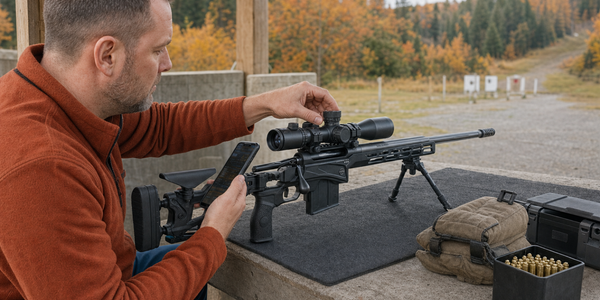
The parts that make a newer shooter better are still boring. Dial five mils and see whether five mils actually moved. Come back to zero. Shoot enough groups that your rifle's behaviour becomes something more than a guess. Record the miss instead of explaining it away. Learn what wind at the muzzle does not tell you about wind downrange. None of that becomes obsolete because a scope can show a prettier answer.
If anything, the smart scope makes the boring work more important. The shooter has to know when the number deserves trust.
Batteries are a dependency, not a scandal
Canadian weather also deserves a vote before anyone starts treating electronics as free capability. Panasonic's CR2 specification shows a wide operating range for primary lithium cells, and Energizer's temperature material says lithium cylindrical batteries handle low temperatures better than many common alternatives. Good. Use the right battery.
Then remember what that sentence means: there is now a battery in the firing solution.
That does not make the optic fragile. It does mean a shooter who trains in Canadian cold should think like an adult about runtime, spares, storage, contacts, firmware, and what still works when the clever part is off. The mechanical turret is not romantic. It is just wonderfully indifferent to January.
This is where the old gear starts looking less old. A confirmed dope card, a real rangefinder, a scope that tracks, and a shooter who can call wind will remain useful on the next rifle. The electronics may be better by then, cheaper by then, or replaced by a new version of the same temptation.
The better order
None of this is an argument against smart optics. Holdover is not allergic to useful technology. A good computational optic in the hands of a shooter who understands the problem can be a serious tool. The category is going to improve, and some Canadian shooters are going to make excellent use of it.
The question is order.
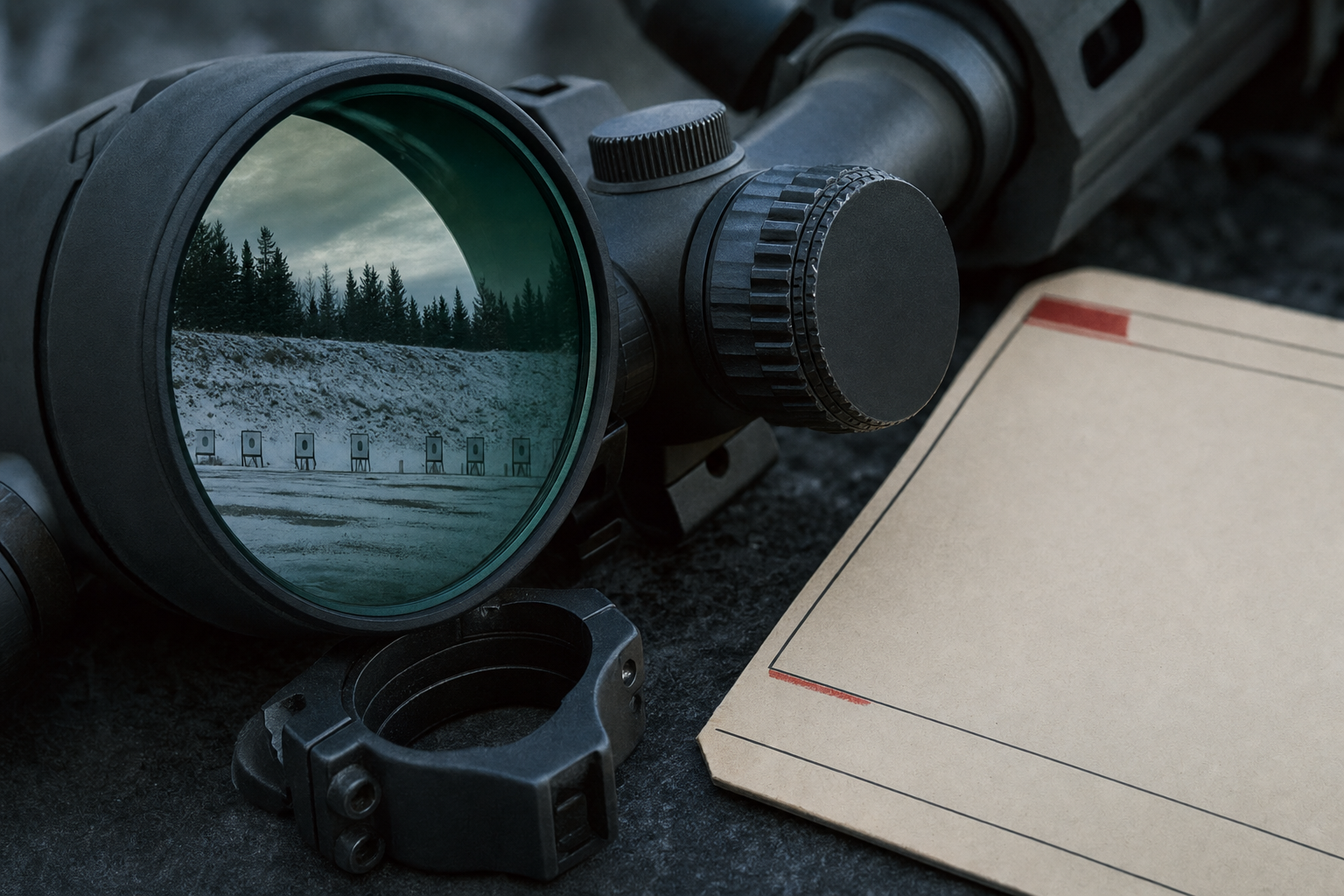
For the newer precision shooter, buy the scope that tracks. Mount it properly. Confirm the rifle. Build the data yourself. Spend enough time behind the gun that a wind call becomes more than a wish. Pay for ammunition and match time before paying for a shortcut around lessons you have not learned yet.
Then, later, if the electronic display solves a problem you can already describe in your own notes, consider it.
The smart scope can wait. The data cannot.
Sources
- Burris, Canada, accessed July 9, 2026.
- Burris, XTR PS, accessed July 9, 2026.
- Burris, XTR PS instruction manual, accessed July 9, 2026.
- SSUSA, New: Burris XTR PS Riflescope, accessed July 9, 2026.
- Calgary Shooting Centre, Burris listings, accessed July 9, 2026.
- Canadian Gun Nutz, New: Burris XTR PS Riflescope 5.5-30x56mm, May 13, 2026.
- Revic, Radikl SmartScopes, accessed July 9, 2026.
- Rifle Configurator, Best Rifle Scopes at SHOT Show 2026, accessed July 9, 2026.
- Panasonic Energy, CR2 primary lithium battery specification, accessed July 9, 2026.
- Energizer, Typical temperature effects, accessed July 9, 2026.
Keep the range notes worth reading later.
If this piece has you thinking about range time, keep the notes useful enough to read later.
Use the Holdover Range Bench Log Card to record rifle, optic, ammunition, distance, weather, zero, group notes, correction, and next test without turning a range trip into a memory test.
Safety note: the card is a note-taking worksheet, not shooting instruction, load data, legal advice, or a substitute for range rules, official guidance, manufacturer manuals, or qualified instruction.