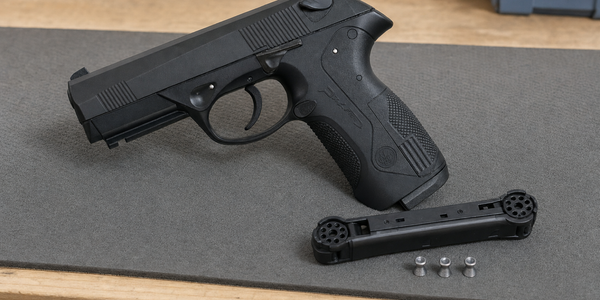
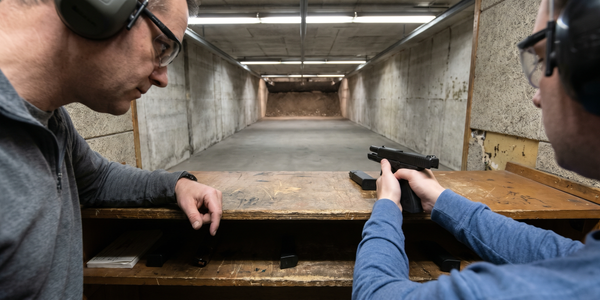
RCMP pistol retirement comes with a *disposal rule*
The RCMP has a $38.98-million pistol replacement contract. Federal regulations prescribe a preservation-or-destruction process for the old guns. The force's 5946 count and plan still need a public explanation.

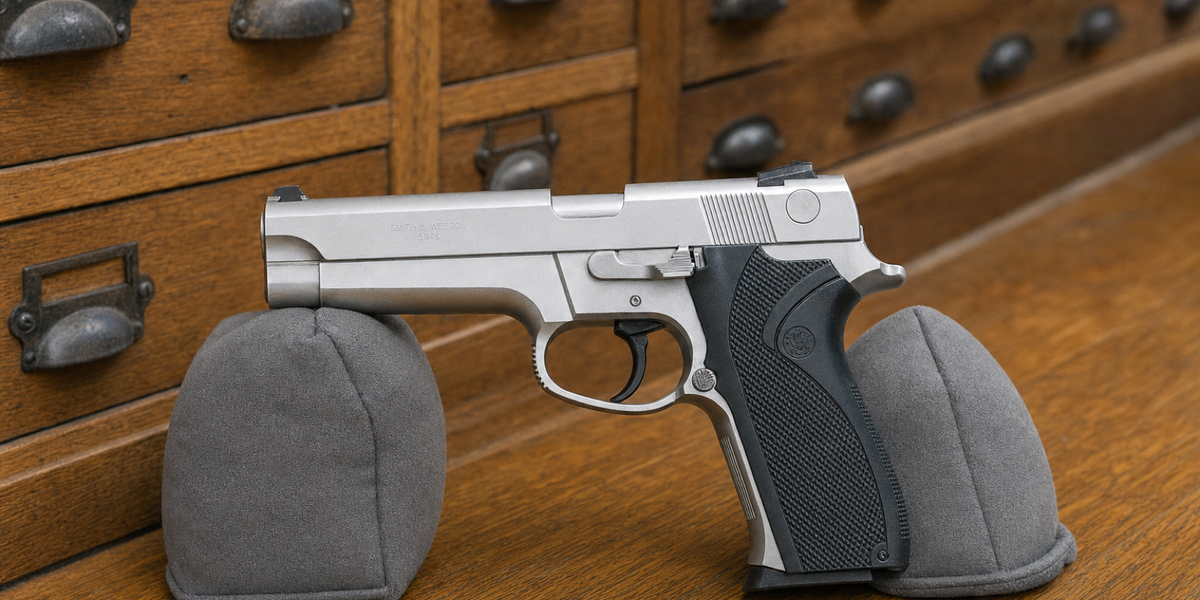
The RCMP's new pistols have a public price: C$38,976,365.69. That is the total on CanadaBuys contract CW2439993, awarded to Rampart International Corp. for a ten-year term beginning March 13, 2026. The procurement serves both the RCMP and Fisheries and Oceans Canada.
The rollout has a timetable too. 620 CKRM reported on October 26 that RCMP spokesperson Paul Northcott said training began this year, with another 24 to 36 months for the Glock 45 MOS replacement and front-line policing first.
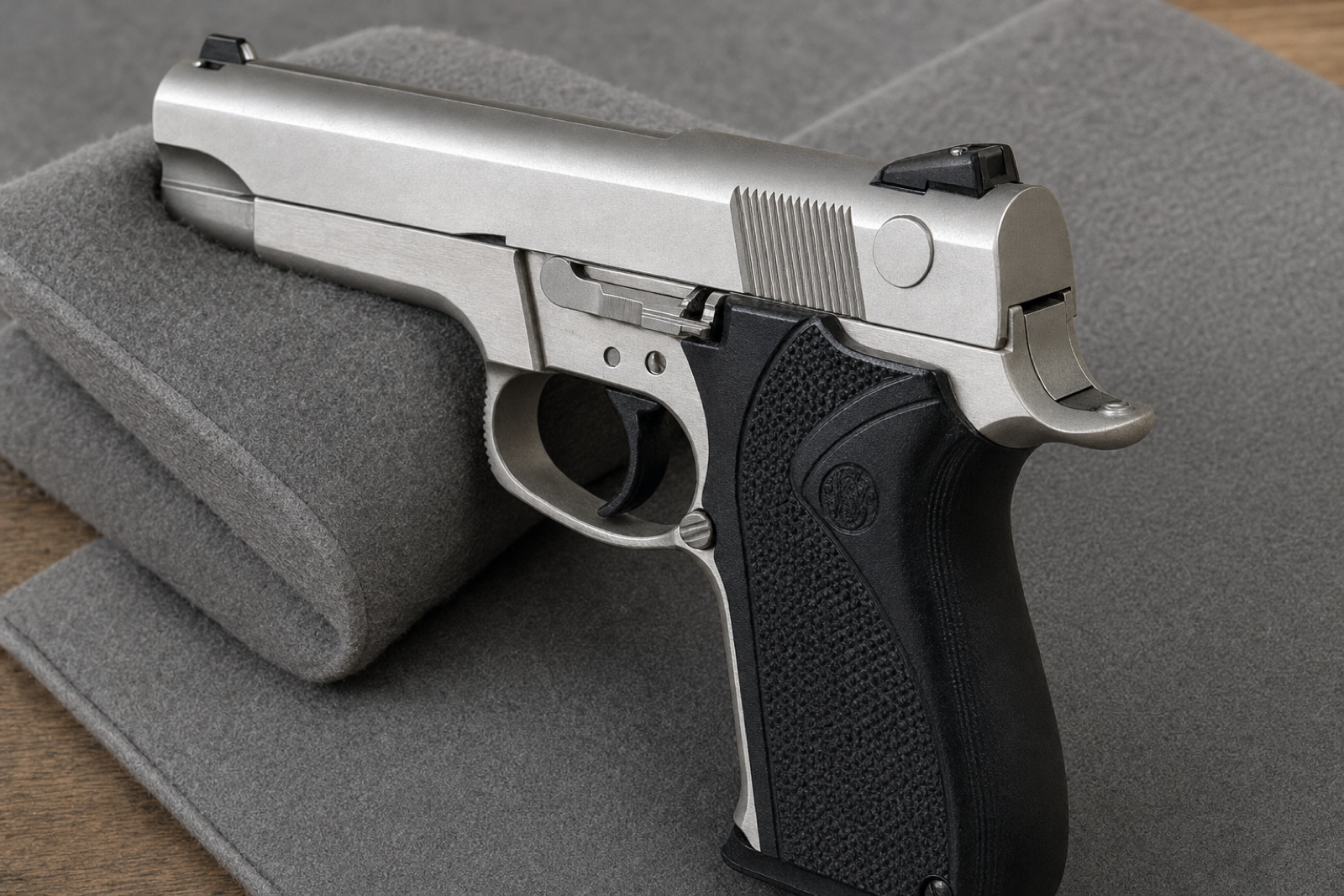
For the outgoing Smith & Wesson 5946s, federal regulations already prescribe a disposal process. They allow an offer for historical preservation and other specified public purposes, followed by destruction when that offer is declined. The remaining questions are concrete: how many pistols will leave service, which examples will be preserved, and when the rest will be destroyed?
A route already written down
Section 15 of the Public Agents Firearms Regulations requires a public service agency to offer a firearm to the provincial chief firearms officer or the RCMP Commissioner before disposing of it. The stated purposes include destruction, scientific work, research, education and preservation as a historical firearm. If the recipient refuses that offer, the agency may dispose of the firearm only by having it destroyed.
That gives preservation a place in the process. It leaves the actual retention decision to the people responsible for the offer and acceptance. A general handgun-transfer page, or a manufacturer's ability to export new pistols, cannot establish a vendor trade-in arrangement for this RCMP replacement.
The contract summary describes the equipment coming in. The sources checked for this article did not supply a 5946-specific destruction schedule or museum allocation. Those details would explain how the published disposal process will apply to this particular retirement.
An agency record follows the pistol
The RCMP's duty pistols have a different record system from an owner's restricted-firearm certificate. Section 15 of the Firearms Act prevents a registration certificate being issued while a firearm belongs to the Crown or a police force. Section 85 separately requires the Registrar to maintain records of agency and public-agent firearms.
The Public Agents Firearms Regulations add inventory and transaction reports. Their section 16 requires a disposal report within 30 days, including the date, place and method of destruction. A duty pistol can therefore sit outside the civilian registration-certificate system while remaining part of an agency inventory and reporting obligation.
A public retirement account could report totals without publishing serial numbers, storage locations or other operational details. Readers could see the number withdrawn, the number retained for the permitted public purposes, and the number destroyed. The replacement contract's total alone answers none of those questions.
A separate answer for collectors
The model name also needs care. The RCMP's public Firearms Reference Table, in its October 19 snapshot, lists standard 102 mm-barrel 5946s as prohibited. The same entry, FRN 22097, lists longer customised configurations as restricted. The table is an administrative reference; the Criminal Code supplies the legal definitions, including the 105 mm-or-less handgun threshold and its prescribed sporting exception.
That is enough reason to check a pistol's actual configuration before making a classification claim. A Model 5946 designation by itself does not establish that every example has the same classification.
The handgun freeze adds a separate limit. Section 12.2 of the Firearms Act restricts issuing handgun registration certificates to individuals, while section 97.1 retains specified carry and Olympic or Paralympic sport exceptions. The RCMP's transfer guidance reflects those exceptions. Other licensing, classification and transfer requirements still apply. Ordinary collecting alone supplies no exemption from the freeze.
The preservation decision deserves a count
Opinion. I understand the case for controlled disposal. Police agencies need a reliable chain of custody, and an accountable destruction process gives them a definite outcome. Keeping a representative historical example and maintaining an entire retired fleet are different commitments.
Historical preservation still deserves a deliberate decision. These pistols record a period of Canadian policing, industrial design and procurement. A useful public account would say which institution was offered examples, whether any were accepted, and what happened to the remainder. The regulation already recognizes that public purpose.
I received my RPAL in May 2025, after the freeze, and now shoot a privately leased CZ SP-01 Shadow. That experience has made me attentive to the difference between a licensed shooter's access to a pistol and permission to acquire one. I do care when public equipment reaches the end of its service and the preservation decision disappears inside an administrative process.
The RCMP can explain that decision without offering the public a speculative surplus sale. Publish the retirement count, the preservation outcome and the destruction totals as they become available. A ten-year replacement contract gives the force ample time to keep that account current.
Sources
- CanadaBuys, RCMP Pistol Replacement, CW2439993, current contract history checked October 29, 2026.
- 620 CKRM, RCMP rolls out uniform, firearm and vehicle updates across Canada, October 26, 2026.
- Vernon Morning Star, Body cams, new Glocks rolling out to RCMP, October 15, 2026.
- Justice Laws, Public Agents Firearms Regulations, especially sections 15-16.
- Justice Laws, Firearms Act, sections 12.2, 15, 85 and 97.1.
- Justice Laws, Criminal Code, section 84.
- RCMP, public Firearms Reference Table, October 19, 2026 snapshot, FRN 22097.
- RCMP, Buying and selling firearms.
The amnesty file is still moving.
If this piece sent you back to government pages, do not wait for the next portal, Gazette, or court move to find you by accident.
The Dispatch follows Public Safety, RCMP, Canada Gazette, court, compensation, collection, and amnesty updates so the next change comes with the source that moved.
Safety note: the tracker is a worksheet for source hygiene, not legal advice or a substitute for current official guidance.