Canada schedules nitrocellulose production for *2029*
Canada schedules domestic nitrocellulose production for 2029 and has committed $355.7 million to Valleyfield. Civilian sporting-powder supply has no published promise.

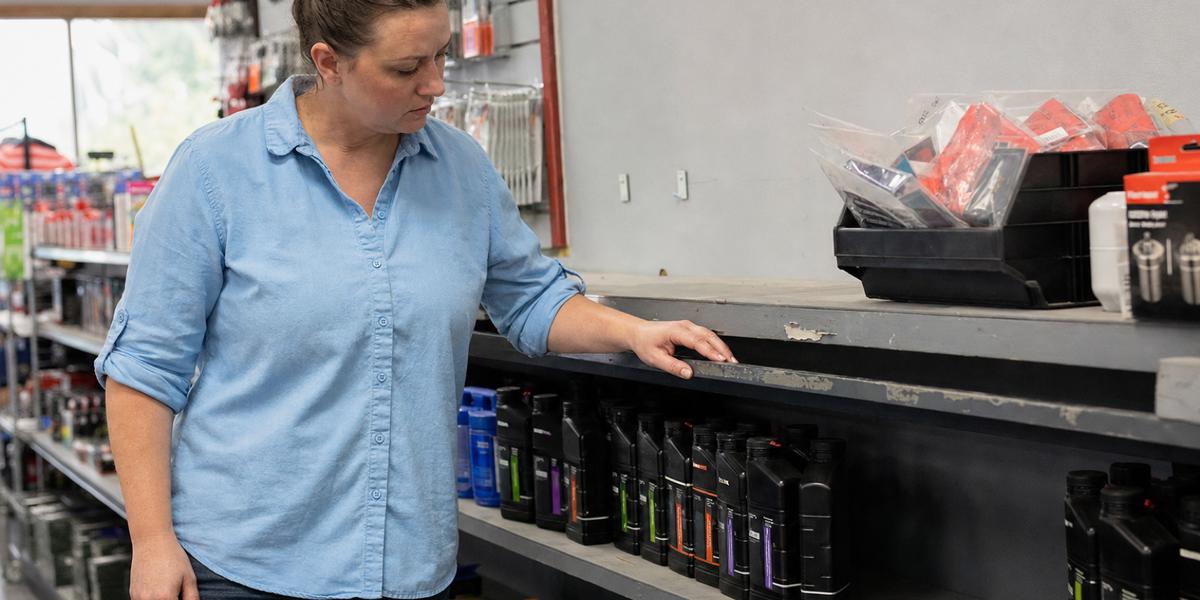
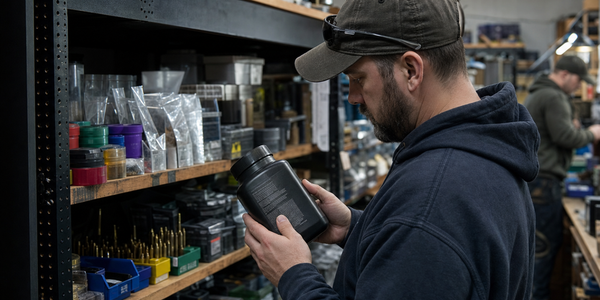
Handloading / Canadian Context. On September 9, Rangeview Sports in Newmarket listed a one-pound bottle of Hodgdon H4350 at C$92 and marked it out of stock. That is one product at one Canadian retailer on one day. For a handloader reading about Ottawa's investment in domestic ammunition production, it is also a reason to look past the funding total.
H4350 and H1000 appear in my own load records. A federal commitment to Canadian propellant capacity interests me for the same reason a familiar component name catches my eye on a shop page: I have a use for the thing at the civilian end of the discussion.
Nitrocellulose is a material used in propellant production. Canada's Defence Industrial Strategy schedules domestic production for 2029. The government has committed $355.7 million to a facility at Valleyfield, Quebec. The published funding record describes military-grade demand. A Canadian handloader looking for a promised route from that investment to retail powder will still come away without one.
Ottawa has published a year
The 2029 date appears in Pillar IV of the Defence Industrial Strategy, in the section on domestic defence supply chains. The government repeats it among the strategy's key actions and in its commitments annex. Readers can check the planned year in a federal document.
That matters because an investment announcement can leave its practical horizon vague. Here, Ottawa has supplied a year against which future progress can be assessed. It describes a schedule. The document does not establish that the facility is operating today, and a scheduled start remains subject to the project reaching that point.
The distinction is useful without turning the piece into a construction forecast. Anyone reporting on the project can now ask whether work remains on that schedule and cite the government's own commitment. A later announcement of an agreement, a construction milestone, or a completed facility would each answer a different question about progress.
The named customer is defence
In its March 18 announcement, National Defence set out a $1.4-billion ammunition-production package. The Valleyfield nitrocellulose project sits alongside funding for artillery charges and projectiles, including empty shell bodies in Ingersoll, Ontario. These are identified investments with a defence purpose.
The April 8 release describes three agreements with General Dynamics in Quebec. Alongside the $355.7-million nitrocellulose facility, it names up to $57.9 million for an artillery-charge facility at Valleyfield and up to $642 million for projectile work at Le Gardeur. Its explanation centres on domestic capability and dependable supplies for the Canadian Armed Forces.
The published contribution record makes the intended demand clearer. It lists an agreement value of $355,754,010 and describes capacity meant to meet and exceed current and forecast domestic demand for military-grade nitrocellulose, including surge demand.
That record also lists an agreement period ending in 2040. Readers should use the strategy's 2029 production schedule when discussing the planned start; the funding agreement's term answers a separate administrative question.
There is a straightforward case for this spending. Canada needs dependable sources for the equipment and materials its armed forces use. Funding a domestic capability gives the country more control over an identified defence requirement. Civilian shooters can support that objective without needing the government to promise them a direct benefit from this particular agreement.
A civilian supply answer needs its own evidence
The reviewed federal documents leave civilian retail supply unaddressed. They identify neither a sporting-powder product nor a commitment to deliver one to Canadian retailers. That limits the conclusion a reader can draw from the investment total.
A retail commitment would need more detail. A producer would have to identify what it intended to supply, to whom, and on what timetable. A distributor or retailer could then describe the part of the arrangement that reaches its customers. Until someone provides that information, linking the Valleyfield project to a future bottle of H4350 requires assumptions the public documents do not support.
Even an eventual announcement of civilian sales would need to identify the products involved. A broad commitment to serve the sporting market would leave a handloader's question about a particular powder open. The useful reporting would follow the named product and its Canadian distribution, with dates readers could check.
The same care applies in the other direction. One out-of-stock listing cannot establish a national shortage or explain its cause. Rangeview's September 9 page records what that retailer offered at that moment. It gives no basis for attributing the missing stock to military demand, to the Valleyfield project, or to any particular stage of a supply chain.
Those limits leave a worthwhile ownership question. Licensed civilian shooters have a legitimate interest in the availability of the products their sport depends on. It is reasonable to ask whether a publicly supported expansion of domestic capability could include a civilian route, and what the producer would need for that to happen. An answer could include commercial limits. It could identify an opportunity. Either would give readers something firmer than an assumption based on the size of a grant.
I would like Ottawa and the producer to answer that question in public as the project develops. The government has given the defence project a purpose and a scheduled year. Canadian handloaders deserve a clear account of whether civilian supply belongs anywhere in those plans.
Sources
- Rangeview Sports: Hodgdon H4350, one pound, price and stock snapshot checked September 9, 2026.
- National Defence: domestic ammunition investment announcement, March 18, 2026.
- National Defence: Quebec ammunition investments, April 8, 2026.
- Canada's Defence Industrial Strategy, Pillar IV, 2029 production schedule checked September 9, 2026.
- Open Government: nitrocellulose manufacturing contribution, agreement value and military-grade demand objective checked September 9, 2026.
Set up the bench before the first mistake.
If this piece has you thinking about a first reloading bench, slow the buying part down and make the safety/process part visible.
Use the Holdover Reloading Bench Setup Checklist to track manuals, press, dies, scale, calipers, case prep, labels, storage, bench layout, safety routine, and what still needs an experienced second look.
Safety note: the checklist does not provide load data, recommend charge weights, teach reloading, or replace current published manuals, manufacturer instructions, qualified instruction, or applicable law.