Seven days for compensation, 90 after the Court rules
One owner says Public Safety gave him seven days to secure a collection appointment. The legal amnesty runs on a separate Supreme Court clock.

Opinion. A Canadian firearms owner says Public Safety gave him seven calendar days to accept a Funding Agreement and book an August collection appointment.
The owner reproduced the reminder on r/canadaguns. It names collection dates of August 12 to 16 and August 18 to 20 for his region. Holdover has not authenticated the private message. The exact seven-day instruction and those August dates were absent from the public Canada.ca pages checked before publication.
Those public pages still confirm the structure around it. A participant must receive notification and accept a Funding Agreement before collection or deactivation. Appointments are specific to each participating region and may be available for only a limited time. Public Safety's broad Ontario table runs from June through October 2026 and marks the dates as approximate.
The private message starts a stopwatch. The public legal protection runs on a different clock.
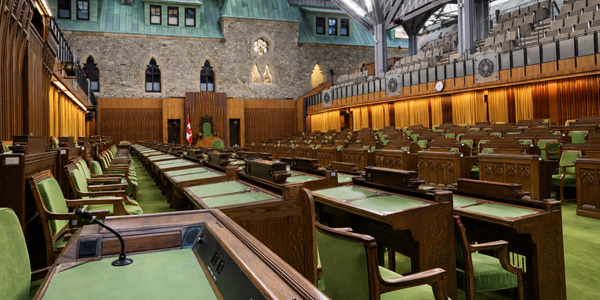
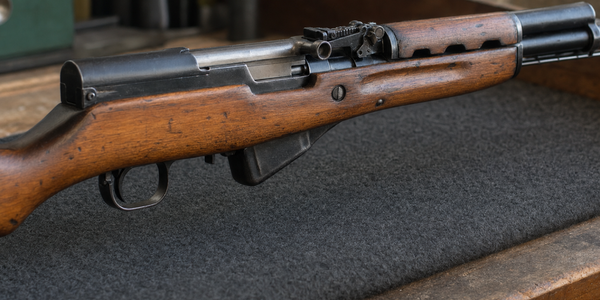
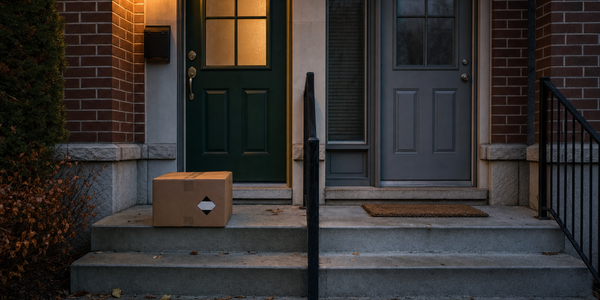
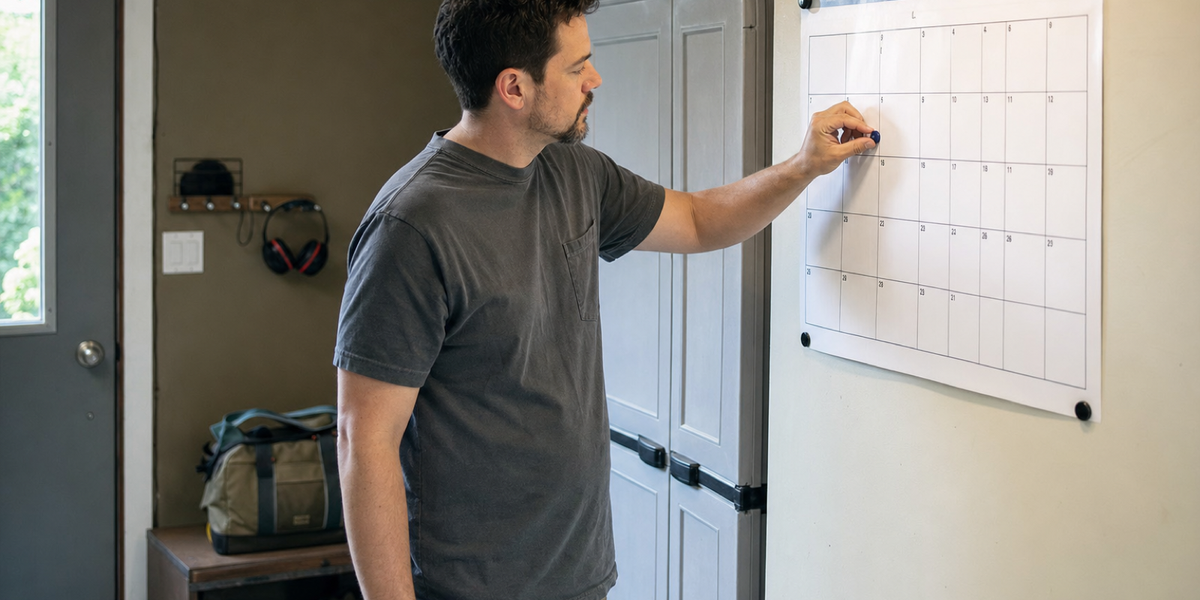
Holdover produced the feature as a fictional owner-decision scene. The person, room, calendar, cabinet, bag, and hearing protection do not depict the Reddit owner, a real email, or an actual collection appointment.
The participant got the short clock
Public Safety describes the Assault-Style Firearms Compensation Program as a compensated route for eligible owners to comply with the law. Its logistics require declarations, assessments, Funding Agreements, appointments, collection or deactivation, and validation before payment. Regional windows give the programme a practical way to process property across Canada.
The owner's account shows what that system feels like at the decision point. Ontario gets a five-month season on the public table. He says his email gives him seven days to secure a place inside one part of it.
That difference matters because the programme attaches consequences to the short clock. Public Safety says a participant who withdraws or fails to proceed as instructed cannot continue with the compensation process. It targets payment within 45 business days after the firearm passes validation. The programme itself is expected to finish by October 2026.
The seven-day report should remain exactly that: one owner's attributed account. It should not be inflated into a province-wide deadline. It still reveals information missing from the broad public calendar. The moment an individual response period starts, the owner needs the exact appointment window, the consequence of missing it, and the remaining legal timeline in one place.
Compensation and amnesty measure different things
The Funding Agreement governs access to compensation. The amnesty governs the temporary protection from criminal liability for possession while owners take steps toward lawful disposal.
The current amnesty does not end on the participant's seven-day deadline or on Public Safety's October programme target. The June 17 order in the Canada Gazette ties it to four Supreme Court of Canada appeals. It ends on the 90th day after the latest judgment, dismissal, or discontinuance among files 41858, 41859, 41860, and 41861.
The Court has scheduled the related appeals for hearing on November 9, 2026. The docket provides no judgment date. A hearing date therefore gives owners no fixed final amnesty date today.
An owner can still hold legal protection under the amnesty after losing the programme's compensation route. That is the two-clock problem. A participant who misses the private programme window may retain time to choose another lawful disposal option, while the opportunity for payment has already closed.
Ottawa's strongest case is logistics
A national collection programme needs regional schedules. Collection partners need staff, secure sites, transportation arrangements, record checks, and a validation process. A Funding Agreement also gives both sides a written record of the declared item and the proposed amount before an irreversible handover.
Those are reasonable operational demands. Public Safety also warns that funding is subject to availability, which gives the programme a reason to move accepted participants through defined windows.
The same logic supports better disclosure. A short deadline becomes easier to evaluate when the participant can see what it controls. The public pages explain the stages across several screens. The email, according to this owner, supplies the regional stopwatch. The Gazette supplies the legal horizon. An owner should not have to assemble that relationship after the response period has begun.
I have already watched a rifle become a row
When I opened Ottawa's compensation list, I found my Sterling Arms R9 MK1 reduced to one model row and one amount. That experience does not make me a participant in the programme. It does make the administrative view of personal property concrete.
I described the first version of that wait in The portal says wait.
The owner sees a rifle, its history, and a permanent choice. The programme sees a declaration, an eligibility decision, an agreement, an appointment, a validation result, and a payment file. Both views meet at collection. Only one side controls the screen that tells the owner when each option expires.
That screen should carry four facts together:
- the response deadline and the consequence of missing it;
- the exact regional collection window and location;
- the payment target after successful validation; and
- the current amnesty source, court status, and legal end rule.
This would not answer the personal question of whether any owner should accept compensation. It would give the owner the dates needed to ask a lawyer, assess the agreement, or compare lawful disposal choices before the programme closes one of them.
Put both clocks in the same view
Public Safety already has each piece. The programme owns the declaration and appointment records. Its public pages describe collection and payment. The Gazette publishes the amnesty rule, and the Supreme Court publishes the appeal status.
Put those facts on the participant's programme screen and in every deadline message. Label the compensation clock and the legal clock separately. Date the information. Link directly to the governing pages.
Holdover keeps the broader reference layer in its firearms tools and trackers.
One owner says his private clock began with seven calendar days. The public amnesty clock still has no fixed end date. Every affected owner should see both before either one costs them an option.
Sources
- Owner account of the Public Safety reminder
- Public Safety Canada: Next steps for individuals
- Public Safety Canada: Collection and disposal options
- Public Safety Canada: Compensation
- Public Safety Canada: Collection timeline
- Canada Gazette: SOR/2026-114
- Supreme Court of Canada: File 41859
The amnesty file is still moving.
If this piece sent you back to government pages, do not wait for the next portal, Gazette, or court move to find you by accident.
The Dispatch follows Public Safety, RCMP, Canada Gazette, court, compensation, collection, and amnesty updates so the next change comes with the source that moved.
Safety note: the tracker is a worksheet for source hygiene, not legal advice or a substitute for current official guidance.