Sixty-four dollars on the ground
Fifty new Hornady .308 cases cost C$63.95 at one Ontario retailer. The same replacement value can be lying on a range floor, after permission and inspection.

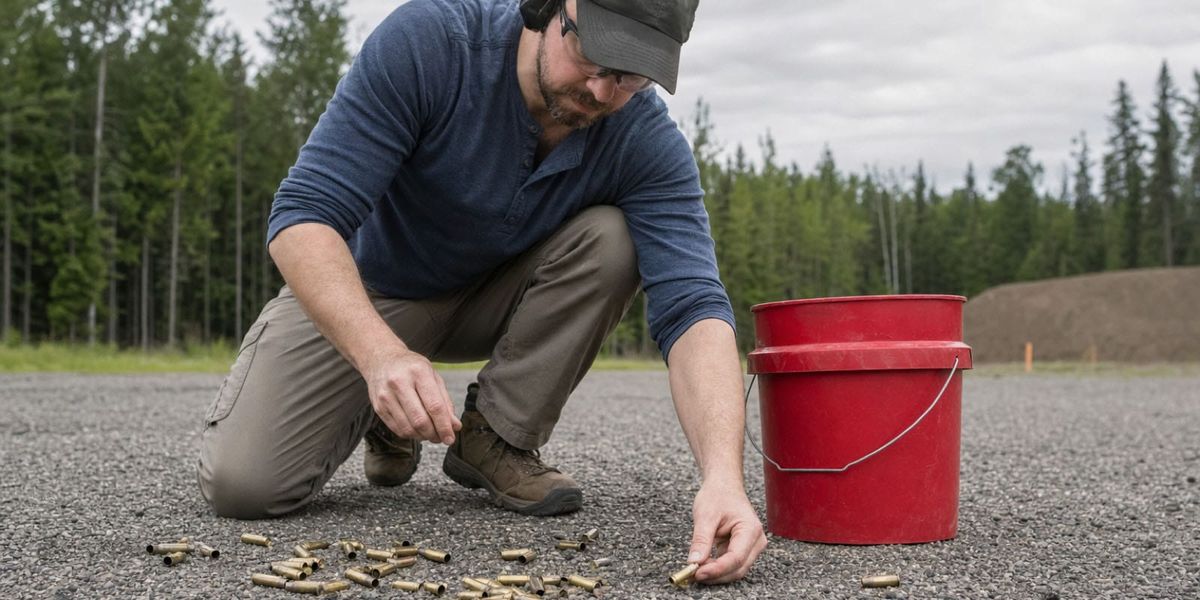
Handloading / Canadian Context. Goble's Firearms in London, Ontario lists 50 Hornady .308 Winchester cases at C$63.95. That is C$1.279 each, or C$1.28 at the counter.
The same retailer lists 50 Hornady .223 Remington cases at C$47.95, 6.5 Creedmoor at C$65.95, 7mm Remington Magnum at C$85.95, .270 WSM at C$109.95, and 6.5-284 at C$128.95. I verified those six prices on August 4. They are one Ontario shop's live listings, not a national average.
That makes an empty case on a range floor easier to value. Fifty usable .308 cases replace a C$63.95 box of new brass at that store.
Usable is the word doing the work.
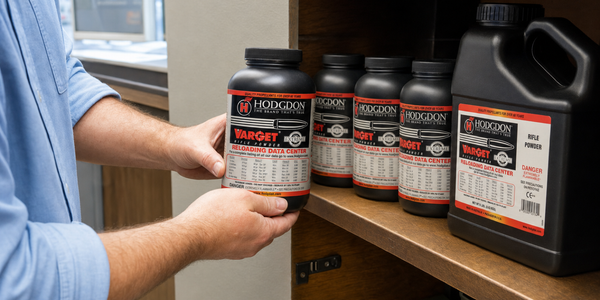
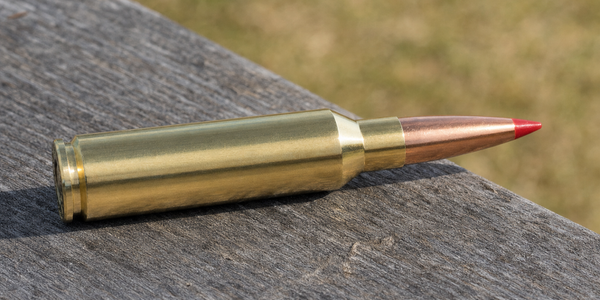
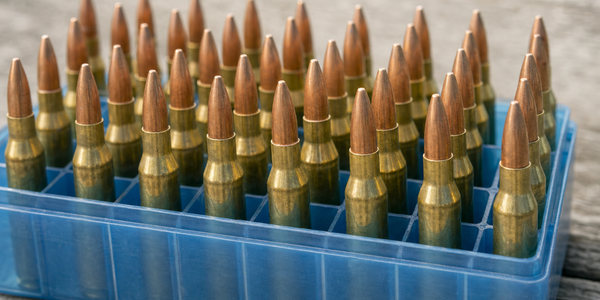
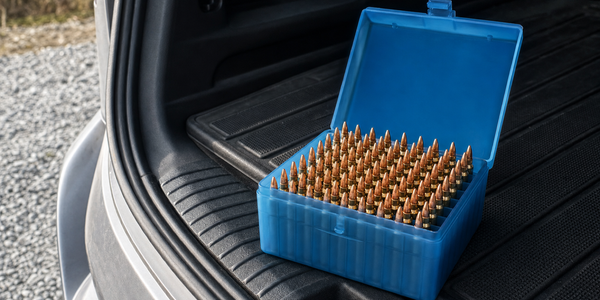
Holdover produced the feature as a fictional Canadian club member sorting spent cases after a firing point is cleared. The person, range, and cases are representative.
Permission is the first inspection
A fired case can still belong to the shooter who made it. Some clubs collect floor brass for scrap or member sales. Others leave the decision to the firing-line rule. The only reliable local answer comes from the person who fired it and the club operating the range.
Ask both.
That short exchange protects more than etiquette. It tells you whether the shooter plans to collect the cases, whether the line may be entered, and where unsuitable cases belong. A standing arrangement with a shooter who does not reload is cleaner than guessing from an unattended pile.
Wait for the firing point to be cleared. Follow the range officer. Treat brass collection as a range task with the same discipline as packing equipment.
Sort before the bucket gets heavy
The firing line is the cheapest place to reject weight.
Start with material. A small magnet separates steel cases from brass. Aluminum stays non-magnetic, so colour, weight, and the headstamp still matter. Nickel-plated brass can also appear silver and remain reloadable. The magnet answers one question; it does not complete the sort.
Then look through the case mouth. A Boxer-primed case normally gives a standard decapping pin one central flash hole. A Berdan case uses a different primer arrangement and needs different decapping equipment. RWS currently manufactures both systems, and RCBS lists a separate Berdan decapping pin. If the case does not match the equipment and data on your bench, set it aside.
Reject the obvious failures where they lie: a split neck, a crushed mouth, severe corrosion, a torn rim, or a case whose identity you cannot establish. Empty dirt and stones before they reach a sizing die. Keep live cartridges, unknown ammunition, and anything with an uncertain condition out of the pickup bucket.
The point is a light, identified batch. A bucket of questions creates work without creating value.
A headstamp starts the batch
The headstamp identifies the maker and usually the cartridge. It also gives the first practical boundary for sorting.
Cases from different manufacturers and production lots can vary in weight, wall thickness, and internal capacity. A change of case belongs in the same category as any component change: stop, return to current published data, and establish the new combination carefully. A mixed floor bucket is never permission to carry one charge or one assumption across every headstamp.
Military cases add a visible bench task. Many have a crimped primer pocket. Current RCBS die instructions say to remove staking or crimp and warn against forcing a primer into an undersized or crimped pocket. Lee's Ram Swage and L.E. Wilson's primer-pocket reamer show the two common tool families for that one-time preparation.
The military headstamp itself does not settle capacity. Makers and lots vary. Weighing, measuring, segregating, and returning to the component makers' current data settles the bench decision without a forum argument.
Three signs retire the case
Case life has no useful universal count. RCBS's current Introduction to Handloading says most brass cases can be reloaded five to 20 times depending on the cartridge and powder charge. Chamber dimensions, sizing, brass quality, and inspection narrow that range in actual use.
Range pickup begins with an unknown firing history, so the case has to earn its next trip.
A loose primer pocket ends it. Lee's current Primer Pocket Gauge gives a direct rejection rule: if the NO-GO end enters to the bottom, the pocket is oversized and will not reliably retain all primers. A primer that seats without proper resistance is a retirement signal, not a press problem to overpower.
A cracked neck ends it. Brass work-hardens as firing and sizing move the neck and shoulder. A visible split has already answered the question. Annealing can manage neck and shoulder hardness in a controlled process; it cannot rescue a cracked case.
Interior thinning above the web ends it. Lyman's current brass-inspection guidance identifies thinning above the web as the path to case-head separation. A bright exterior ring tells you where to inspect. It does not prove the case has separated internally. Lyman notes that some handloaders use a bent paperclip to feel for the interior step or groove. If the hook catches that thinning, retire the case.
Those checks apply to known brass too. They become mandatory when someone else supplied the firing history.
Free brass still has a price
The arithmetic creates the opportunity. The work decides whether to take it.
Fifty usable .308 cases replace C$63.95 of current Hornady brass at Goble's. Reaching those 50 may require collecting more, sorting by headstamp, cleaning, decapping, checking pockets, sizing, measuring, trimming, and rejecting failures. Time at the bench is part of the cost.
That trade can make sense for practice brass, load development, fouling shots, and high-volume range work. A tracked match batch has a different job. It begins as one lot with a known history and stays that way.
The cleanest comparison is personal. Price the new case you would otherwise buy. Count only the pickups that survive permission, identification, and inspection. Add the work required to make the batch usable. If the saved replacement cost is worth the evening, the floor supplied a useful component. If the work displaces the range time you wanted, buying new brass can be the better decision.
The C$63.95 number catches the eye. The permission and rejection pile make it honest.
Ask first. Bring a magnet. Read the case. Keep the lot. Hook the ring.
Sources
- Goble's Firearms: Hornady .308 Winchester brass, 50
- Goble's Firearms: Hornady .223 Remington brass, 50
- Goble's Firearms: Hornady 6.5 Creedmoor brass, 50
- Goble's Firearms: Hornady 7mm Remington Magnum brass, 50
- Goble's Firearms: Hornady .270 WSM brass, 50
- Goble's Firearms: Hornady 6.5-284 brass, 50
- RCBS: Introduction to Handloading
- RCBS: Reloading Die Instructions
- Lyman: Brass Inspection
- Lee Precision: Primer Pocket Gauge
- Lee Precision: Ram Swage
- L.E. Wilson: Primer Pocket Reamers
- RWS Technology: Ammunition Components
- SAAMI: Z299.4-2025 Centerfire Rifle Standard
Keep the range notes worth reading later.
If this piece has you thinking about range time, keep the notes useful enough to read later.
Use the Holdover Range Bench Log Card to record rifle, optic, ammunition, distance, weather, zero, group notes, correction, and next test without turning a range trip into a memory test.
Safety note: the card is a note-taking worksheet, not shooting instruction, load data, legal advice, or a substitute for range rules, official guidance, manufacturer manuals, or qualified instruction.