Bryant’s defence adds a *returned-gun claim* to Tumbler Ridge
Bryant's lawyers allege a returned gun was used at Tumbler Ridge. We compare that reported claim with the RCMP's narrower February statement.


Lawyers for Melody Bryant, the American accused in the Tumbler Ridge case, say the RCMP seized and returned a gun later used in the Tumbler Ridge attack, according to a Canadian Press report published November 24. The report describes the gun as altered. Those remain defence allegations, advanced in an application for release before trial.
The addition is specific: the reported account connects a police return to subsequent use in the attack. That link deserves examination. Anyone claiming the RCMP has already been proved wrong still needs to establish which firearm the defence means and which prior statement it would contradict.
For licensed owners, the useful question is whether the existing intervention process worked as it should. I want that question pursued with the same care officials should bring to a proposed restriction on our own firearms.
The new assertion goes beyond the earlier message
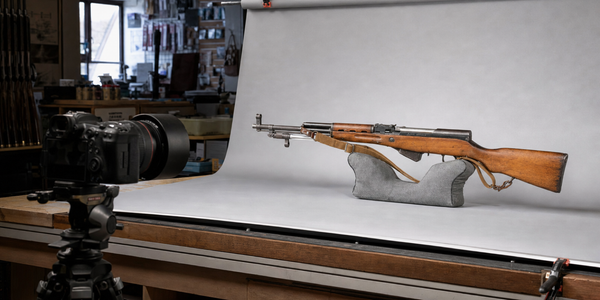
The October 2 FBI affidavit already included an account of a confiscated SKS. On printed page 18, the agent quotes a late-December exchange in which the shooter described police taking the rifle and disturbing its sight setting. The conversation also describes subsequent use.
Holdover examined that passage in October. It left important steps open: which police force seized the rifle, under what authority, and how access resumed. The quoted exchange alone could not connect that rifle to a particular firearm recovered after the killings.
The newly reported defence allegation makes a further connection to use in the attack. Readers should keep that asserted link separate from the older message. Repeating the older passage alongside the new allegation supplies context; it does not independently corroborate the claim.
A defence lawyer seeking a client's release has a reason to challenge the prosecution's account and the assessment of danger. The court must assess the competing submissions. Holdover has reviewed the public complaint and the Canadian Press report; it has not authenticated the new motion or established its gun-return claim.
The RCMP’s account names a narrower subject
The RCMP's February 13 update said the main firearm believed used at the school had never been seized by the RCMP and that its origin was then unknown. Police separately said the shotgun believed involved in the killings at the home had never previously been seized. They described recovering a long gun and a modified rifle at the school.

Each description has a subject and a date. The statement about the main firearm does not describe the entire seizure history of every firearm in the case. Its qualification also records what investigators believed in February.
A responsible comparison needs to match the defence's alleged returned gun to the firearm covered by the relevant police statement. That identity link remains unestablished in the material reviewed here. Until investigators or a court supply it, readers should preserve the separate descriptions.
The distinction protects scrutiny. An inaccurate accusation about one firearm can distract from a real question about another. Officials should be expected to address the actual alleged sequence when they can lawfully do so.
The word altered leaves further questions open
A description of an altered gun gives readers little basis to determine when somebody changed it, what they changed, or how it operated. This report supplies insufficient detail to settle those questions. Assigning a mechanism or legal classification would add claims the available account cannot support.
The timing matters to any assessment of a return decision. An examination would need records showing the firearm's condition when police received it, the information available to the decision-maker, and its condition when released. The newly reported allegation does not provide those records for readers to check.
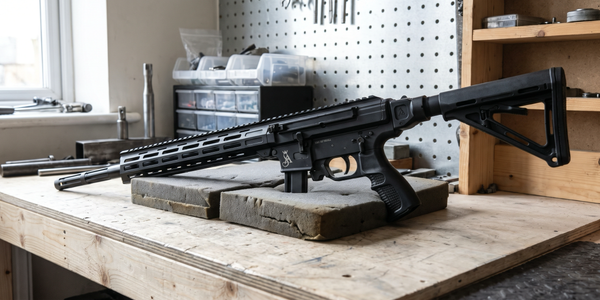
That leaves a concrete reporting task: identify the object and follow its documented history. A photograph of another rifle, a model name from an earlier message, or assumptions about what an alteration must mean cannot complete that work.
Scrutiny should reach the return decision
On October 6, the BC RCMP explained that withholding information protected investigations in Canada and the United States. Police said further Canadian charges remained under active consideration. That is a substantial reason to protect information whose release could compromise the work.
Families and the public also have a substantial interest in understanding decisions that preceded the attack. Police leadership should address the precise return allegation as disclosure permits: which firearm it concerns, what happened to it, and which records support the account. If part must remain withheld, the fullest lawful explanation should distinguish that limit from an answer to the allegation.
For owners, an evidence-led account should help distinguish a failure to use existing powers from a genuine gap in those powers, if either is established. Those findings could call for different responses. Any proposal imposing further conditions on lawful ownership should explain how it addresses the verified access route.
I support effective intervention when a person poses a danger. I also expect officials' decisions to withstand examination. The new allegation gives the RCMP a more specific question to answer. Owners should insist on a supported answer while resisting the temptation to announce the result ahead of the evidence.
Follow Canadian firearms reporting in The Dispatch, Holdover's free weekly newsletter.