After Casa Loma, Toronto should *report* home-invasion outcomes quarterly
Toronto’s Police Service Board heard an April briefing on home invasions. A quarterly report could show how many cases police clear, with court outcomes reported separately when available.

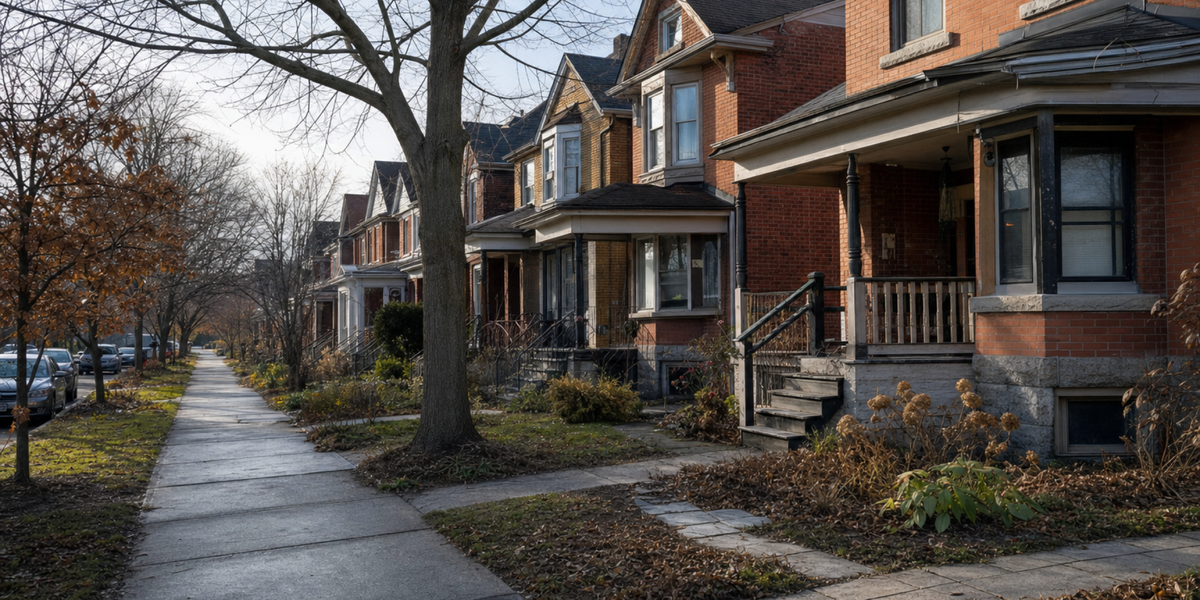
Toronto police identified Michael Eckert, 39, as the man killed in a home invasion near Casa Loma on November 25. Police say he was shot after someone forced entry. Late that evening, investigators released an image of a vehicle they believe is connected to the homicide investigation.
In March, Toronto City Council had already asked the Police Service Board to seek a report on home invasions. The Police Service Board received a briefing in April. Police have since described extra deployments and reported arrests. That gives Toronto something to build on. Residents should be able to follow a comparable count of reported incidents and see what becomes of those cases over time.
What the Board heard in April
Council adopted its request on March 25 and 26. It asked the Board to have the chief report on how often home invasions were happening, what police were doing to deter, investigate and solve them, and how police would report the outcomes.
The April 13 minutes record the Board receiving the Council correspondence and an operational briefing from Inspector Kristy Smith. In the briefing slides, the Hold Up Squad describes broadening the offences its investigators handle. The slides show year-to-date incident counts and describe coordination with other units and follow-up with victims. The same Board motion called for a further report on transit safety. On home invasions it recorded receipt of the briefing. The Board can put the results of that work on a regular public reporting schedule.
What November's numbers measure
In published remarks for the November 12 Board meeting, Deputy Chief Frank Barredo said police had added investigative resources and increased deployments, including under Project Aegis. In a November 16 update on a separate case, Toronto Police reported 107 home invasions under investigation by the Hold Up Squad that year and 34 related arrests as of the update.
Those figures describe the squad's caseload and arrests. They count different things. The April slides give a concrete example. The squad reported that five of the ten arrests on one slide related to three home invasions. A single incident can generate several arrests. To measure how many cases police have cleared, the city needs a count of cases with that outcome.
Toronto already publishes a series that gets closer. The police service's 2025 Annual Statistical Report lists Home Invasion as a robbery subtype. It records 169 reports in 2024, with a clearance rate of 29.0 per cent. For 2025 it lists 158 reports in the same category and a clearance rate of 36.1 per cent. Those figures belong to that category and those two years. A reader can compare the two years in that table. The November squad update answers a different question.
What Toronto should publish
I want the Board to ask Toronto Police for a quarterly public table. Start with the existing annual robbery category and define any additional categories beside it. Give the count for the quarter and for the same quarter a year earlier. Say when police last updated it and how they count incidents that fall into more than one category.
Then follow that group of cases. Say how many remain open and how many police have cleared. Where authorities can reliably match and publish court outcomes, show them separately with a date and explain the lag. By the next report the status of some files will have changed. A dated update should let a reader see how many changed and when. The Board should ask police to show newly reported cases in a separate column. Otherwise an increase in reports can obscure progress on older cases, even when police are clearing some of them. The same table can state which quarterly figures are provisional and record revisions in the next update.
Barredo’s published remarks explain why police withhold sensitive details during an active investigation. He has a point. The public table can use citywide totals, withhold small breakdowns that could identify people and leave investigative methods out. Residents could still ask a precise question at a Board meeting. For the group of cases reported in a given quarter, how many have since been cleared?
Where home defence fits
For licensed firearm owners asking what the law expects in a home emergency, section 34 of the Criminal Code governs defence of a person. It requires a reasonable basis to believe someone faces force or a threat of force, a defensive purpose and a response reasonable in the circumstances. Section 35 sets out a separate defence concerning property. Bill C-270 is still at second reading. Holdover has covered the bill and the decision to charge and how the facts mattered in a Whitby case.
Police are still investigating Eckert's death. Toronto's Board has a separate job it can do in public. Give residents a date for the next home-invasion update, and publish figures they can compare with the one that follows.
The Dispatch covers Canadian firearms and public safety every week. Get The Dispatch
Sources
- Toronto Police Service, November 25 case release
- Toronto Police Service, November 25 evening update
- Toronto City Council decision MM39.11
- Toronto Police Service Board, April 13 item 20 minutes
- Hold Up Squad, April briefing slides
- Toronto Police Service, November 12 Board remarks
- Toronto Police Service, November 16 update
- Toronto Police Service, 2025 Annual Statistical Report, robbery by type
- Criminal Code, section 34 and section 35
- Parliament of Canada, LEGISinfo status for C-270