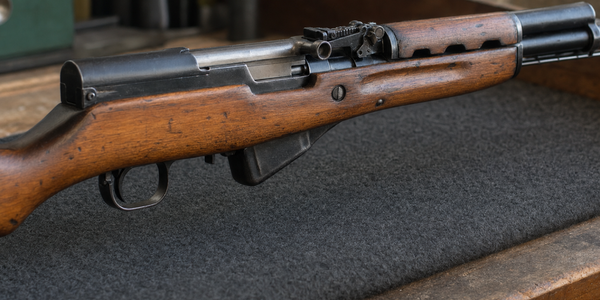
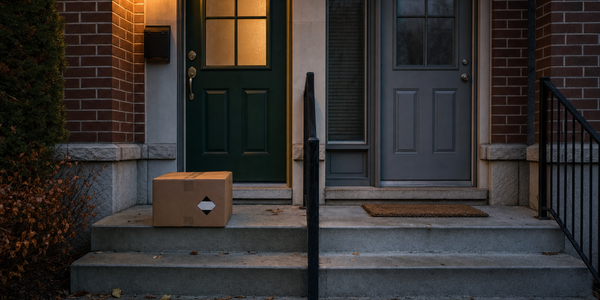
Whitby drew the line at the porch
Whitby shows why Canadian self-defence should protect reasonable force against an immediate threat and punish gunfire after the danger passes. The people who created the confrontation still demand serious accountability.

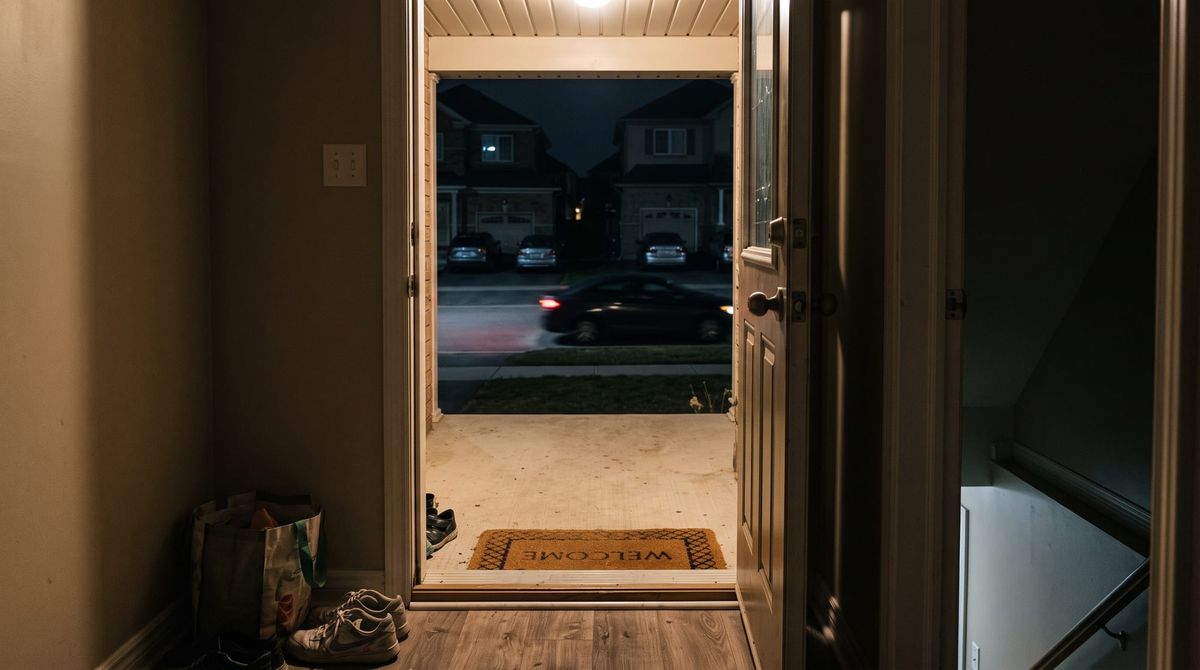
Opinion
Over the past few days, three CanadaGuns threads kept landing on the same question: when a homeowner reaches for a firearm, where does defence end and a second offence begin?
Whitby's result tracks my own judgement. A person facing armed intruders and a wounded family member may have seconds to protect a life. Once the danger is leaving, anger and fear remain real, but the legal protection ends with the threat. A fleeing car cannot absorb a bullet. The round keeps travelling toward people, homes, and roads.
One night, two legal answers
The Ontario Court of Appeal's August 19 decision gives the sequence in direct terms. The armed intruders arrived at about 3:50 a.m. on June 17, 2022, forced the family downstairs, and shot Munroe's son. Munroe wrestled away a handgun and fired inside. The trial judge acquitted him of the offences tied to that in-home use.
The porch shots were treated separately. Nobody was hit, and Munroe was convicted of reckless discharge as well as obstruction after initially misleading police. He received a conditional sentence of 729 days, served in the community under strict conditions, followed by three years of probation. The Court of Appeal dismissed the Crown's appeal of that sentence.
The judgement separates defensive force inside from reckless gunfire outside, then accounts for the night's terror in sentencing. One ordeal can contain justified and criminal acts.
The property cases carry a different risk
In Scarborough, police were called around 2:41 a.m. on August 19 after unknown suspects allegedly tried to steal a vehicle from a driveway. A resident fired a gun. The suspects escaped before police arrived, nobody was reported injured, and a nearby home was damaged by gunfire. Current reporting says the resident was charged with reckless discharge and released on consent bail.
In rural Manitoba, an RCMP release says a 66-year-old property owner received a motion-camera alert on August 15 and found people transferring fuel into a stolen vehicle. He confronted them with a firearm and fired toward the vehicles. Three accused people remained, a fourth fled, and police reported finding property believed stolen in the truck.
The RCMP charged three accused people with theft and related offences. One also faces weapon and release-order charges. Two men were remanded in custody and a woman was released on an undertaking. The owner faces six firearm charges and was released on an undertaking. All of those charges remain allegations, and sentencing lies ahead.
The RCMP release describes the confrontation and gives no account of a threat of force against the owner. That source limit matters. Theft, trespass, and repeat offending can create real fear, loss, and fury. A shot toward a vehicle still places every person in and around its path at risk. Scarborough gives that risk a physical address: a neighbour's home was hit.
A warning shot still sends a round somewhere
A warning shot often sounds like restraint when people discuss these cases. The round still leaves the barrel at speed and lands somewhere.
Section 34 of the Criminal Code asks whether the person reasonably believed force or a threat existed, acted to protect someone, and responded reasonably. Courts weigh imminence, available responses, weapons, the parties' roles and abilities, and proportionality.
Section 35 applies a similar reasonableness test to defence of property. It gives property owners a defence for reasonable acts taken to prevent entry, damage, or theft. Every firearm act still has to pass that test. Pointing a firearm without lawful excuse is itself an offence under section 87. Section 244.2 addresses intentional discharge that is reckless as to another person's life or safety.
Canadian law therefore gives a warning shot no special immunity. Drawing, pointing, and firing are distinct acts. Each one has to be justified by the facts at that moment.
The Supreme Court of Canada's 2021 decision in R. v. Khill requires a court to examine the whole incident: who created the confrontation, what the accused believed, why the accused acted, and whether the response was reasonable. Seconds of fear become months of evidence and legal argument.
Follow the whole case
The part that angers me most is the way the original crime can disappear once a homeowner is charged. Each confrontation began with reported criminal conduct: an armed home invasion, an attempted vehicle theft, or an alleged rural break-in. Those first choices created every later firearm question.
Khill recognizes that an assailant who initiates a confrontation bears responsibility for the consequences of justified defensive force. That principle deserves a larger place in the public conversation. It preserves the homeowner's right to protect life while keeping every later act subject to its own reasonableness test.
The current cases also demand precision. Scarborough's suspects escaped, so an offender sentence remains impossible. The Manitoba accused are at the bail stage; detention or release records pretrial status, while sentencing comes after conviction. The Munroe appeal gives a detailed account of the homeowner's result and supplies no verified disposition for the intruders. A fair sentence comparison must wait for actual outcomes.
That gap should lead to a better demand. Police, prosecutors, and courts should follow the whole chain in public records where the law permits: the invasion or theft, any weapons and release-order breaches, the homeowner's response, and the final dispositions. A release that names charges on both sides owes the public the rest of the story when those outcomes become available.
Serious original crimes deserve serious prosecution. Armed invasion of an occupied home belongs at the top of that list. Stolen vehicles, break-in tools, weapons, and breached release conditions also demand focused consequences based on each person's proven conduct.
Keep the line human and clear
Canada's flexible reasonableness test fits events as different as a basement home invasion and a driveway theft. Justice Canada and police services could make it easier to understand with source-linked examples covering an immediate threat, a fleeing suspect, property defence, a warning shot, and third-party risk. Case pages could link public dispositions. Owners would see their obligations, and victims would see what happened to the people who targeted them.
An American-style free-fire rule would trade safety for vengeance. Canadian law should protect reasonable force against an immediate lethal threat and pursue those creating that threat visibly and seriously.
Whitby drew the right line at the porch. The danger ended there, and so did the justification. Accountability still has to reach back through that door to the people who created the danger.
Sources
- Ontario Court of Appeal, R. v. Munroe, 2026 ONCA 592, released August 19, 2026; accessed August 23, 2026.
- Global News, "Court of Appeal upholds sentence for man who shot at armed intruders during Whitby home invasion", published August 20, 2026; accessed August 23, 2026.
- CityNews, "Resident charged after firing gun during attempted vehicle theft in Scarborough: police", published August 19, 2026; accessed August 23, 2026.
- Global News, "Resident charged after shooting during attempted auto theft at Toronto home", published August 19, 2026; accessed August 23, 2026.
- Manitoba RCMP, "Pembina Valley RCMP respond to theft in progress in RM of Dufferin", published August 18, 2026; accessed August 23, 2026.
- Department of Justice, Criminal Code, section 34, current consolidation accessed August 23, 2026.
- Department of Justice, Criminal Code, section 35, current consolidation accessed August 23, 2026.
- Department of Justice, Criminal Code, section 87, current consolidation accessed August 23, 2026.
- Department of Justice, Criminal Code, section 244.2, current consolidation accessed August 23, 2026.
- Supreme Court of Canada, R. v. Khill, 2021 SCC 37, released November 5, 2021; accessed August 23, 2026.
- Justice Canada, "The bail process", accessed August 23, 2026.
- CanadaGuns discussion links used for discovery: Whitby, Scarborough, and Manitoba, accessed August 23, 2026. Incident facts above come from the court, police, statutes, and reporting.
The amnesty file is still moving.
If this piece sent you back to government pages, do not wait for the next portal, Gazette, or court move to find you by accident.
The Dispatch follows Public Safety, RCMP, Canada Gazette, court, compensation, collection, and amnesty updates so the next change comes with the source that moved.
Safety note: the tracker is a worksheet for source hygiene, not legal advice or a substitute for current official guidance.