A hundred guns, and the *point* Ottawa misses
The CCFR's 100-gun contest is loud, cheeky, and legally mundane. That is why it works: it shows new shooters a community refusing to let Ottawa turn lawful ownership into something shameful.

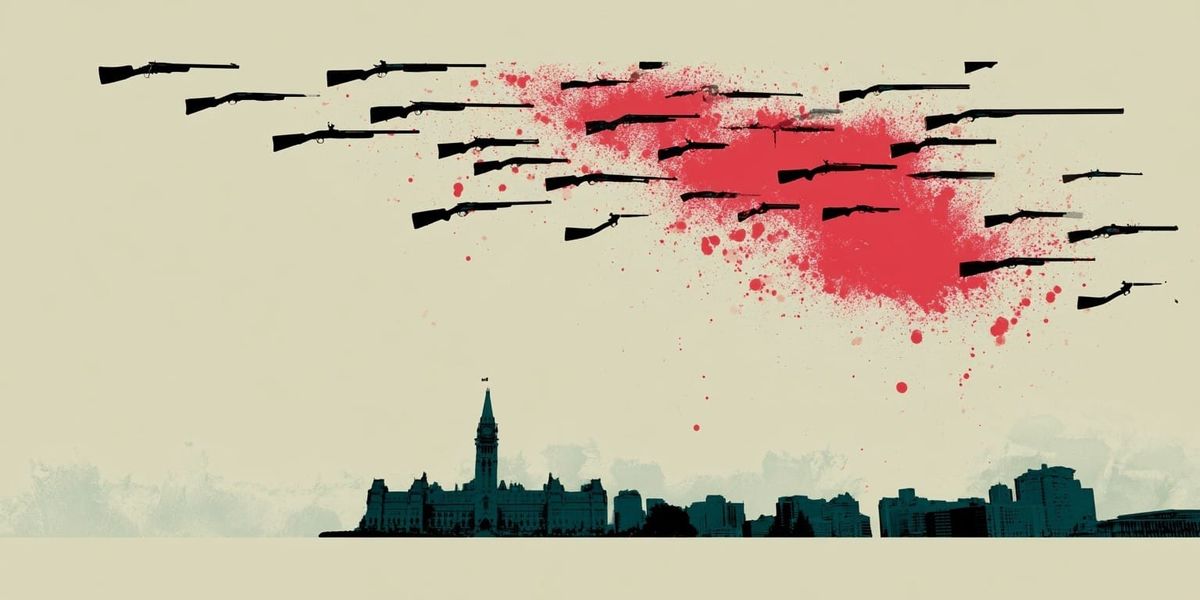
A hundred firearms is not a policy paper. That is exactly why the CCFR's "It's Raining Guns" contest works.
The Canadian Coalition for Firearm Rights says the contest closes May 1, 2026, with 100 donated firearms to be awarded in a video on or around May 4. The stated purpose is fundraising and pressure against the federal confiscation program. The practical effect is simpler: it treats lawful firearms ownership as normal, communal, and public.
That matters more than the number. One hundred guns is a headline. The real argument is that Canadian firearms culture still has businesses willing to donate, owners willing to organize, and shooters willing to be seen. For new PAL holders in particular, that signal is not trivial.
The provocation is the point
The serious gun-control argument is emotional and not hard to understand. Firearms can do terrible harm in the wrong hands. Canada has lived through mass violence. Politicians are rewarded for visible action after visible horror. A contest built around 100 firearms will strike some people as the wrong symbol at the wrong time.
Fine. Take that reaction seriously. Then ask whether the policy attached to it is aimed at the problem or merely at the people who answer government mail.
Public Safety Canada's compensation program is built around the regulated side of the system. Its current business compensation page covers firearms prohibited in May 2020, December 2024, and March 2025, and says the business stream re-opened April 23, 2026, with a June 4 claims deadline. The RCMP's public pages say the Firearms Reference Table was updated for the newer prohibitions and that affected firearms cannot be legally used, sold, imported, or transferred except as allowed under the amnesty.
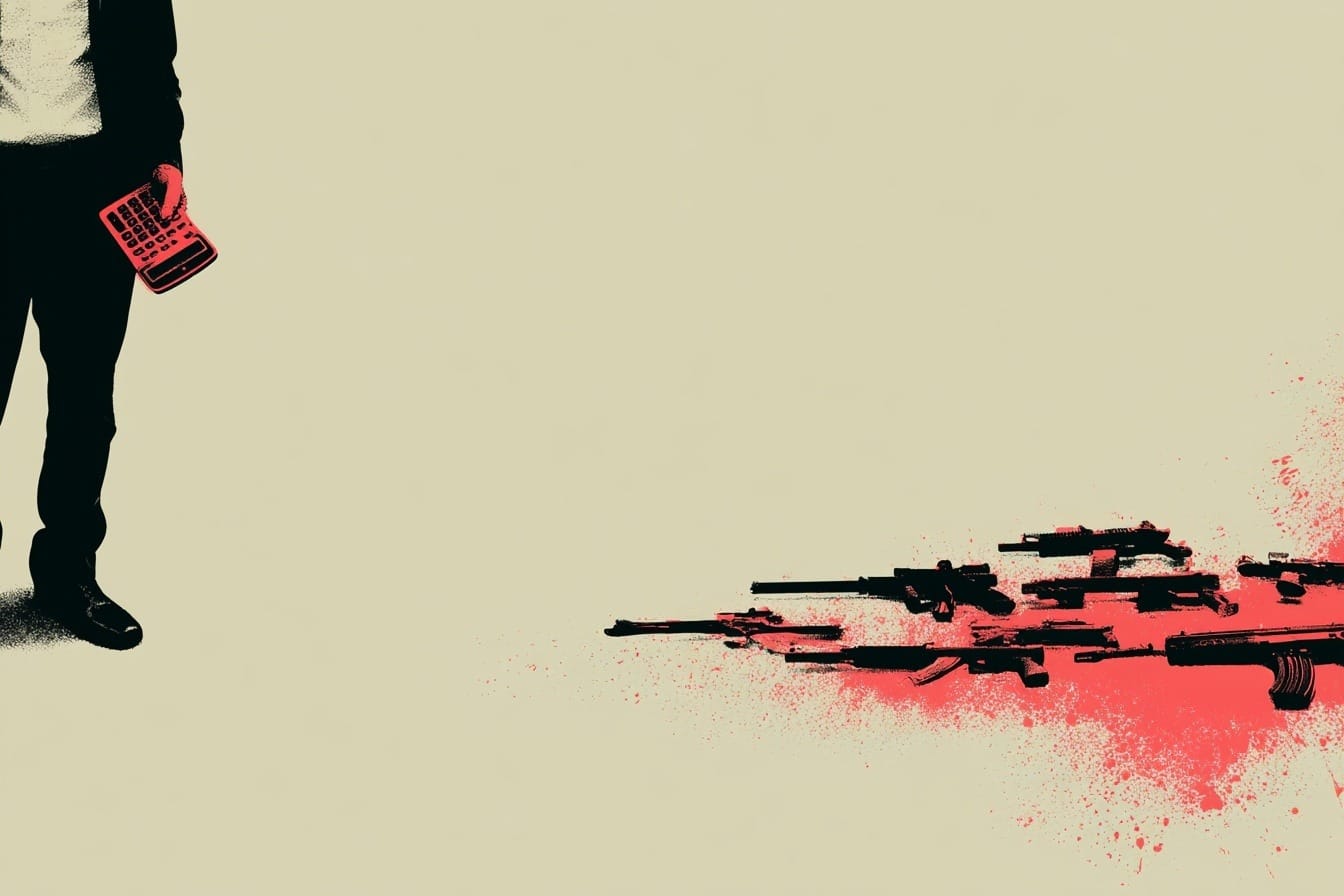
That is not a criminal-enforcement strategy. It is an administrative strategy.
The RCMP's 2024 Commissioner of Firearms Report counted 2,425,627 firearms licence holders in Canada, 1,269,076 registered firearms, and 4,033 licensed firearms businesses. That is a huge lawful ecosystem. It includes hunters, collectors, range members, handloaders, instructors, gunsmiths, retailers, competitors, and people who simply like a well-made rifle and a quiet morning on paper or steel.
It is also the easiest ecosystem in the country to regulate, because it already exists inside the regulatory file.
New shooters notice the insult
A new shooter does not enter this world through a fantasy. They enter through a course, an application, references, waiting, fees, range rules, club procedures, transport rules, storage rules, magazine rules, and a first sober look at what ammunition costs in this country. If they stay, it is usually because the sport is better than the paperwork.
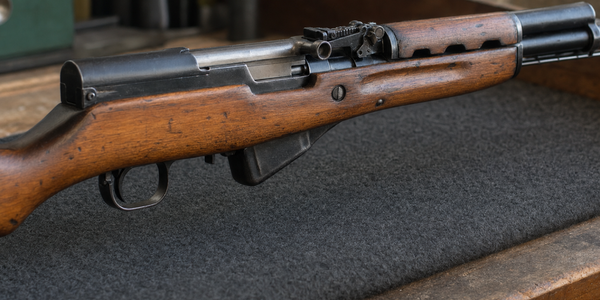
That is the part Ottawa keeps missing. The rifle is not just an object in a regulation table. It is the reason someone learns wind, keeps a logbook, drives two hours to a range, buys a torque wrench, asks an older shooter a careful question, and discovers that 1 MOA is both easy to say and annoyingly hard to repeat.
For handloaders and precision shooters, the culture gets even less compatible with the government's cartoon version. It is not chaos. It is measurement. Case prep, seating depth, velocity strings, scope tracking, group size, cleaning intervals, and the small humiliation of thinking a load is finished until the chronograph calmly disagrees.
That is why a goofy-looking giveaway can carry a serious point. It tells newer owners they have not joined a suspicious subculture. They have joined a regulated Canadian sport with clubs, disciplines, businesses, friendships, arguments, and a long institutional memory. Some of that memory is technical. Some of it is political. Lately, too much of it has had to be defensive.
Ottawa can find the compliant
The federal program's first individual declaration window produced a telling number. Canadian Press reporting through CityNews said more than 67,000 banned firearms were reported by owners, roughly half of what the government expected to be eligible when the program opened. The same report noted that collection and compensation were expected to run from spring through early fall.
Ottawa can call that progress. It can also call it what it is: proof that the government can locate people who were already trying to comply.

Meanwhile, the public-safety file keeps pointing somewhere else. Toronto Police recently reported a case involving four arrests, two loaded handguns, and a 14-year-old accused of offences including possession contrary to a prohibition order, failure to comply with a release order, and failure to comply with a probation order. CSSA's latest commentary put the contrast bluntly: Ottawa keeps aiming political machinery at licensed owners while police deal with illegal guns, repeat breaches, and youth drawn into criminal networks.
You do not have to endorse every sentence CSSA writes to see the point. The contest, the court challenge, the declaration tally, and the police releases all circle the same question: why is so much federal energy still aimed at the people already inside the most supervised side of the system?
The community is still here
The CCFR contest is not legislation. It is not a legal brief. It will not answer the Supreme Court's questions about Cabinet authority, regulatory classification, or the limits of Orders in Council. The Supreme Court agreeing to hear the challenge is the serious institutional moment on that front.
But morale is not nothing. A community that has spent six years being told its lawful property is a public-safety problem needs more than PDF updates and court dates. It needs visible reminders that ownership is still normal, that businesses are still invested, and that new shooters are not walking into a culture already halfway resigned to being managed out of existence.
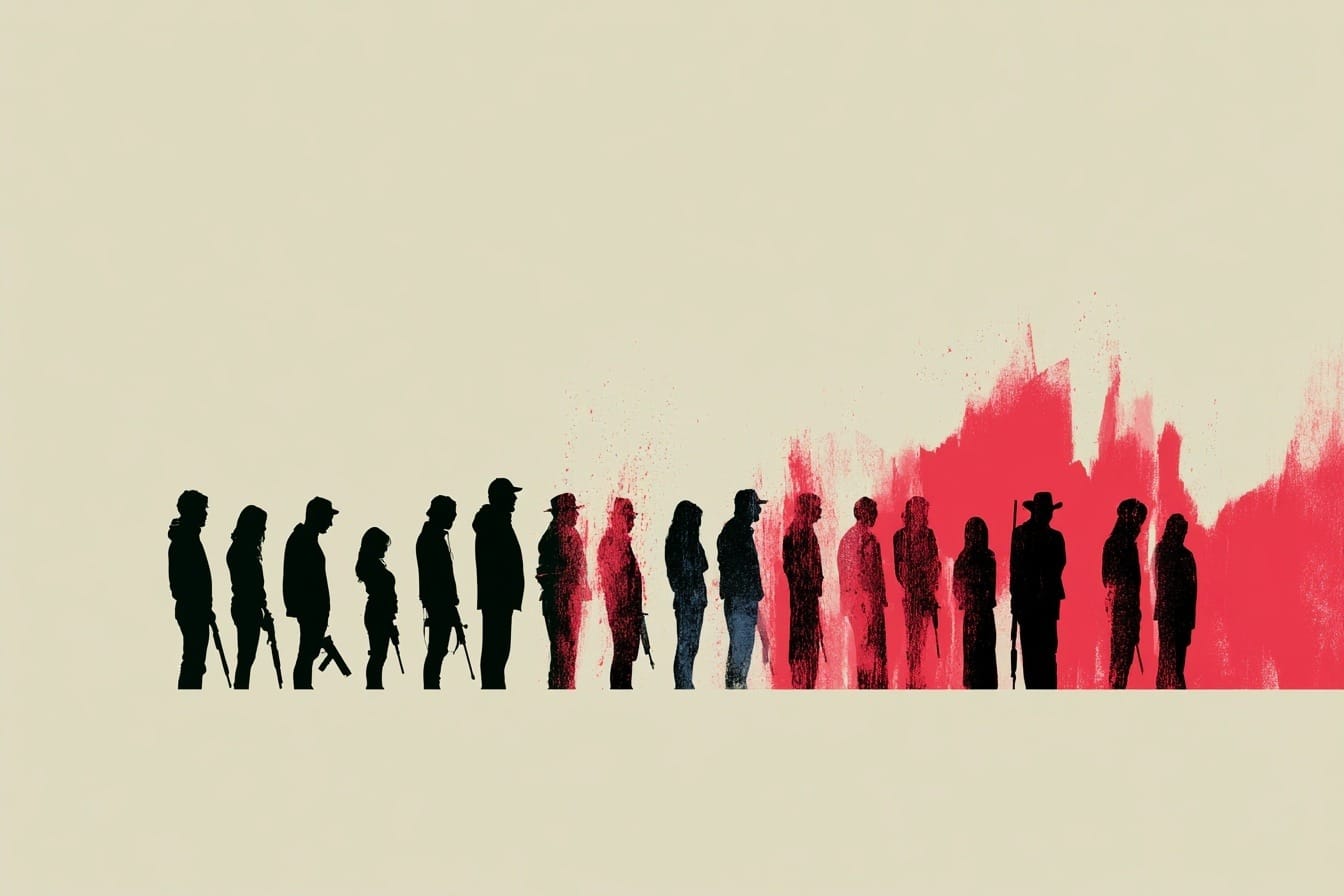
That is why the 100-gun contest is more interesting than the inevitable outrage around it. The outrage assumes the number is the scandal. The better reading is that the number is the reply.
Ottawa has spent years trying to turn licensed ownership into an administrative embarrassment. The community answered with a fundraiser, a spectacle, and 100 prizes that can only be shocking if you forgot that lawful Canadian gun owners still exist.
The filing cabinet is not the crime scene. It is just the place Ottawa keeps looking.
Related Holdover References
Source-led reference pages for the terms and policy context behind this piece.
- Canadian Firearms Classification Timeline
- Canadian Firearms Storage and Transport Source Map
- Canadian Firearms Glossary
- Canadian Firearms OIC Index
- Canadian Firearms Buyback Tracker
- Sources and Verification
Sources
- Canadian Coalition for Firearm Rights, "2026 It's Raining Guns Contest", accessed May 1, 2026.
- RCMP, "What you need to know about the Government of Canada's March 7, 2025, prohibition of certain unique makes and models of firearms", date modified October 17, 2025.
- RCMP, "What you need to know about the Government of Canada's December 5, 2024, prohibition of certain unique makes and models of firearms", date modified October 17, 2025.
- Public Safety Canada, "Compensation amounts for businesses", page details April 14, 2026.
- RCMP, "2024 Commissioner of Firearms Report", accessed May 1, 2026.
- CityNews Ottawa / The Canadian Press, "Gun buyback tally of over 67,000 firearms falls well short of federal estimate", April 1, 2026.
- Global News / The Canadian Press, "Supreme Court of Canada to hear challenge of Ottawa's firearms ban", March 19, 2026.
- Toronto Police Service, "Four Arrests Made in Firearms Possession Investigation, Don Mills Road and York Mills Road area, Images Released", April 24, 2026.
- Canadian Shooting Sports Association, "A 14-Year-Old, Two Loaded Handguns, and Ottawa's Wrong Target", accessed May 1, 2026.
Source trail refreshed
This article was refreshed for accessibility and source discovery on 2026-05-20. The opinion has not been rewritten; this block keeps the source trail easier to inspect.
Primary source trail
- CCFR 2026 It's Raining Guns Contest
- Public Safety Canada business compensation re-open release
- Public Safety Canada business compensation claim page
- RCMP 2024 Commissioner of Firearms Report
- Statistics Canada firearms and violent crime in Canada, 2024
Keep the source trail in one place.
If this piece sent you back to government pages, keep the official links, page dates, and follow-up notes together.
Use the Holdover Canadian Firearms Policy Source Tracker to record the current Public Safety, RCMP, Canada Gazette, and Justice source pages behind buyback, OIC, classification, compensation, and amnesty claims.
Safety note: the tracker is a worksheet for source hygiene, not legal advice or a substitute for current official guidance.