Bad weather makes your *gear* honest
One cold, wet, windy Canadian range day can teach a newer shooter more about their gear than another sunny review or accessory purchase.

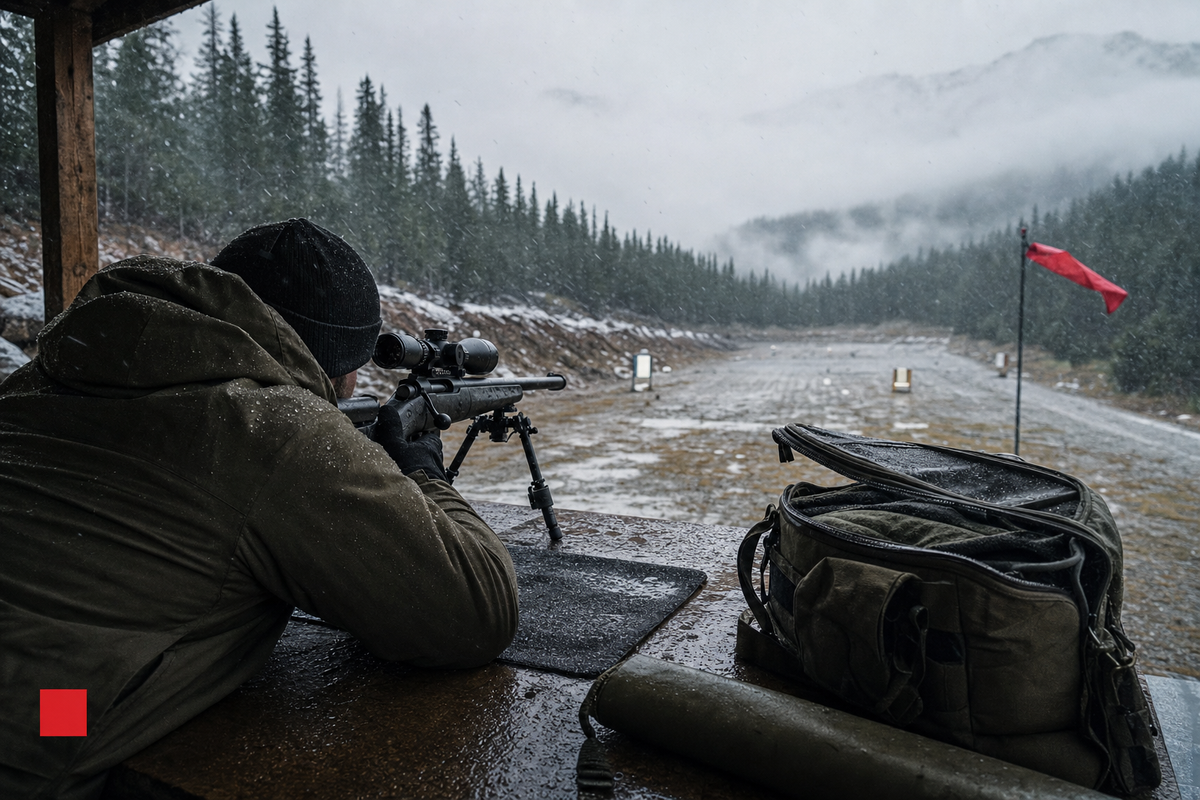
Opinion. The most useful gear review in Canada is still the range day that feels like a bad idea at breakfast.
A current r/canadaguns thread asked whether people actually put their firearms and gear through miserable conditions: cold that bites, rain that soaks everything, wind that makes the range feel personal, and the general inconvenience of getting dirty. The original poster described a pistol that had run for more than 5,000 rounds, then became sluggish and stoppage-prone during a very cold winter session. The comments turned into exactly the kind of Canadian field report the sport needs more often: winter long-range, torrential rain, cold-weather skeet, prairie match conditions, and the small ways equipment gets embarrassed by the weather.
The funny part is that none of this is exotic. In Canada, bad weather is not an advanced course. It is a calendar feature with delusions of character development.
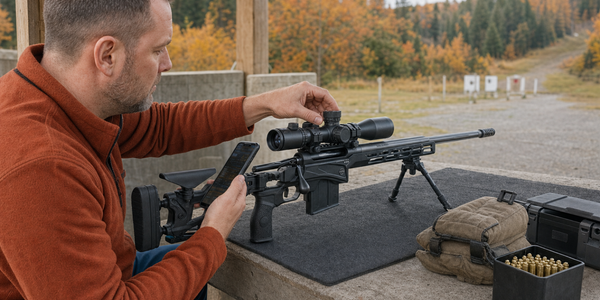
I shoot mostly at Stittsville, usually for 4-6 hours on a weekend. On a comfortable day, the whole exercise can start to look cleaner than it is. The rifle sits nicely. The optic is clear. The rear bag behaves. The ammunition box has not yet become a financial hate crime. Everyone has blood circulation in their fingers. Wonderful.
That day tells you something. It just does not tell you everything.
Cold exposes the small lies
Cold does not have to break the rifle to teach the lesson.
It changes the interface. Gloves make controls clumsy. A stiff bag that felt perfect in the basement becomes a frozen brick with branding. Lens caps, turret caps, magazine followers, sling hardware, bipod feet, and jacket cuffs all suddenly have opinions. Your phone battery gives up the way a politician gives up a promise: quietly, and at the least useful moment.
For precision shooting, cold also changes the shooting problem. Velocity can move. Point of impact can move. The shooter can move worse, which is usually the bigger issue. A zero confirmed on a mild afternoon is useful, but it is not a treaty signed with physics. It is a note from one set of conditions.
That is why the current thread is worth more than another argument about whether some accessory is "bombproof." Gear is not bombproof in a vacuum. It is useful in conditions.
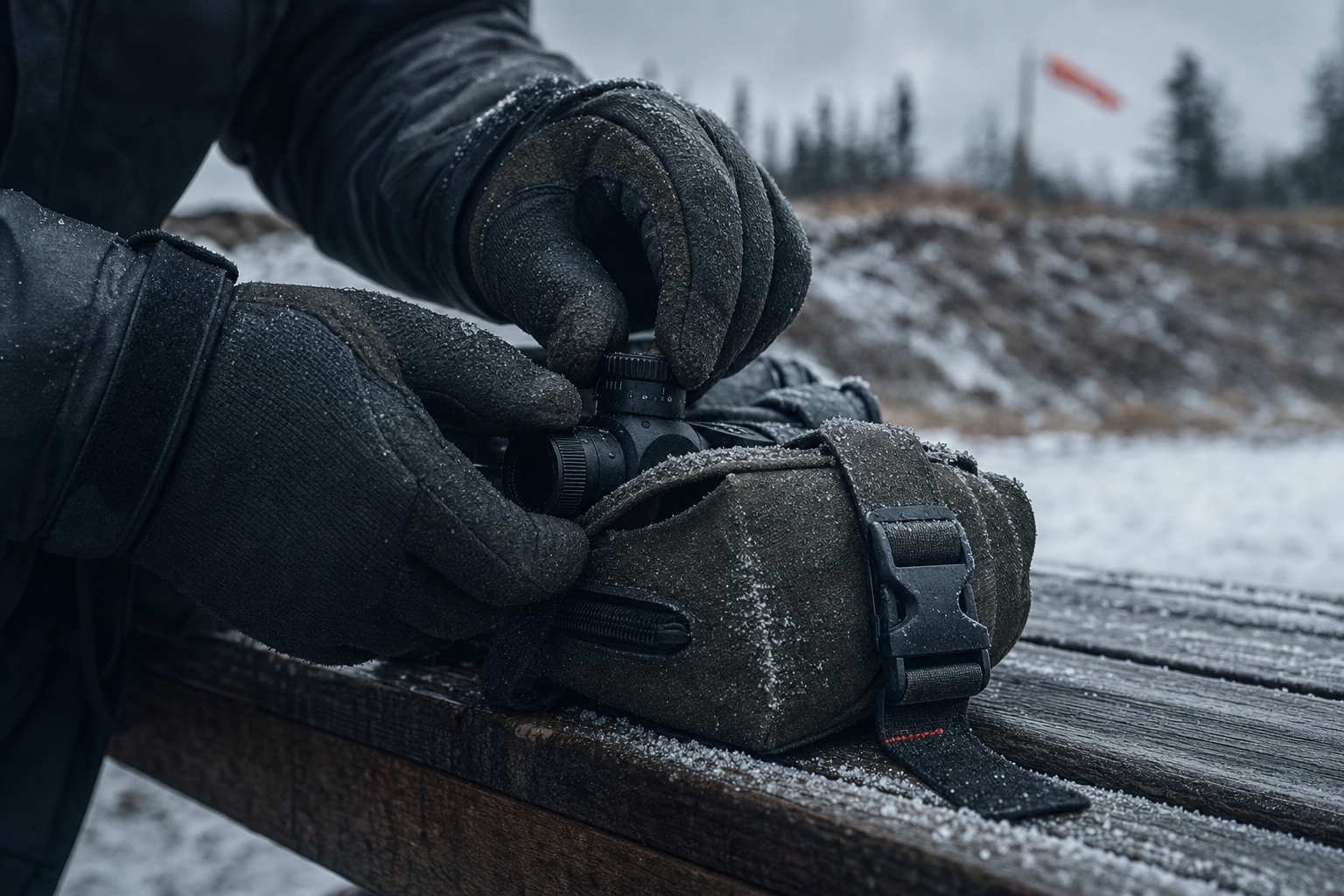
The range bag gets a vote
Newer shooters tend to ask about the large objects first. Which rifle? Which optic? Which bipod? Which cartridge? Fair questions. Large objects are expensive, photogenic, and easy to blame.
Bad weather shifts the blame downward.
It asks whether the rear bag gets slippery when wet. It asks whether the bipod feet skate on frozen gravel. It asks whether the sling adjustment can be used with gloves. It asks whether the range bag has a dry place for the things that actually matter, or whether it is just a fashionable sack of damp compromises.
This is where a lot of expensive certainty becomes comedy. A $90 little thing with three reviews and a tactical name can fail harder than a boring $12 item from Canadian Tire, which is not ideal for the ego but excellent for the notebook.
The range bag slowly gets smarter if you let the weather edit it. Not prettier. Smarter.
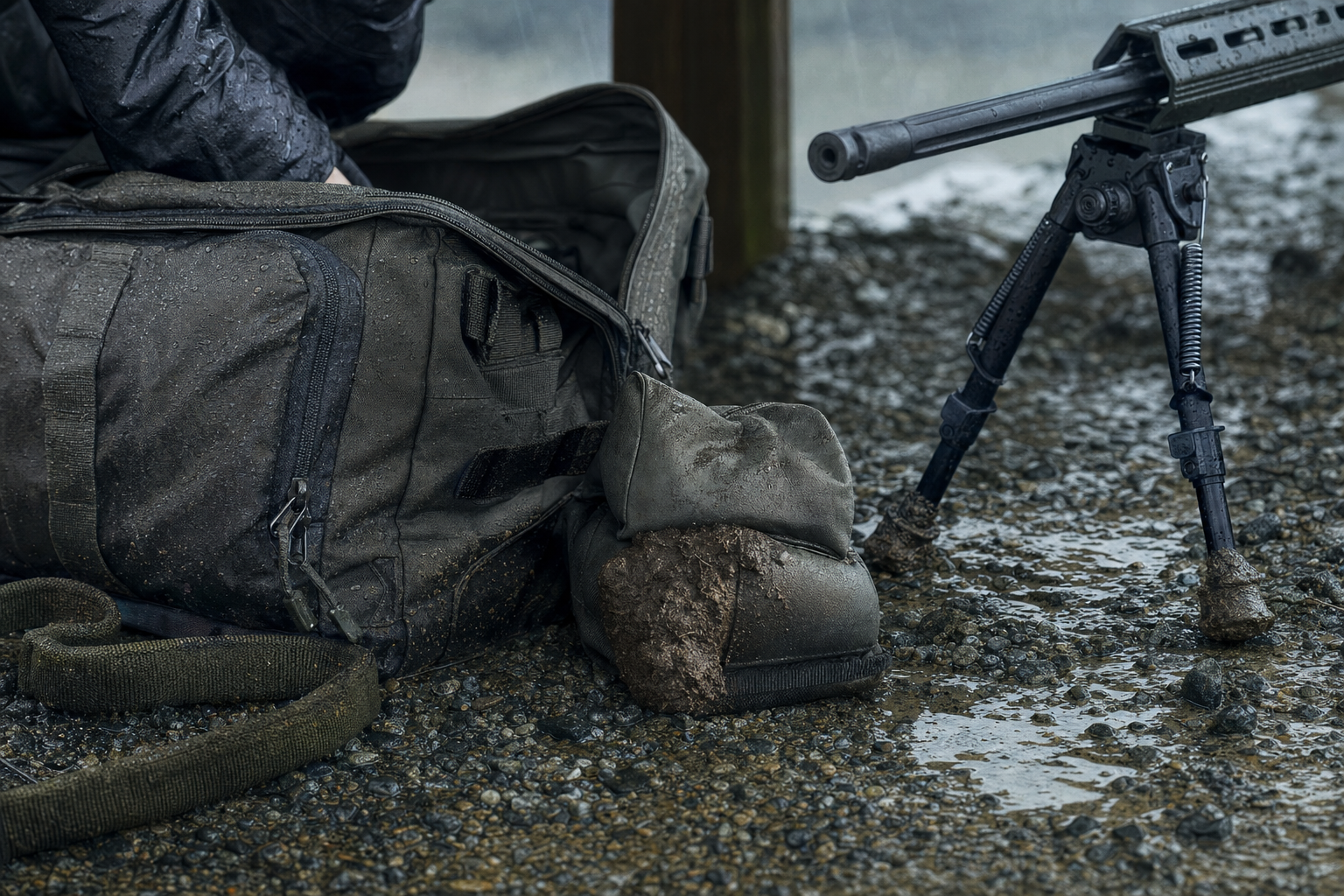
One ugly day before the upgrade
The best practical advice from this is simple: before buying the next upgrade, shoot one ugly day with the gear you already trust.
Not a reckless day. Not lightning, unsafe road conditions, or some theatrical survival fantasy. Just an ordinary bad Canadian range day. Cold enough to be annoying. Wet enough to reveal habits. Windy enough to punish lazy assumptions. The sort of day most people skip, then later describe as "conditions" when they miss.
Keep the test boring. Same rifle. Same ammunition. Same optic. Same normal range setup. Then write down what changed. Did the zero shift? Did the bag stop tracking? Did your glove touch the trigger differently? Did the optic fog? Did the magazine hate the cold? Did the sling bind? Did the shooter run out of patience before the rifle ran out of accuracy?
That last question is the rude one.
I like gear as much as the next person who has somehow convinced himself that a new case-prep station is a reasonable adult purchase. But most early problems are not solved by adding more stuff. They are solved by finding the weak spot in the system that already exists.
Bad weather is very good at finding it.
This is Canadian range culture too
The RCMP's 2024 Commissioner of Firearms Report records more than 2.4 million firearms licence holders in Canada and describes the Canadian Firearms Program's role in licensing, safety training, ranges, registration, and compliance. That is the formal world licensed owners live inside. Courses, licences, renewals, rules, clubs, inspections, and paperwork.
The informal world is the part Ottawa never seems to understand: people improving because they keep showing up.
That improvement does not happen in a press release. It happens when a shooter notices that a cold barrel, a wet glove, or a muddy support bag changed the result. It happens when someone at the next bench says, "Try this," and the suggestion is annoyingly correct. It happens when the new shooter learns that the range is not a showroom and that competence is usually duller than the purchase.
This is one of the quiet arguments for the community. Licensed owners are already the regulated side of the firearms file. The public-safety return comes from better habits, better range culture, better evidence, and more people becoming visibly competent under ordinary Canadian conditions. Another prohibition does not teach a shooter how their gear behaves in sleet. A winter range day does.
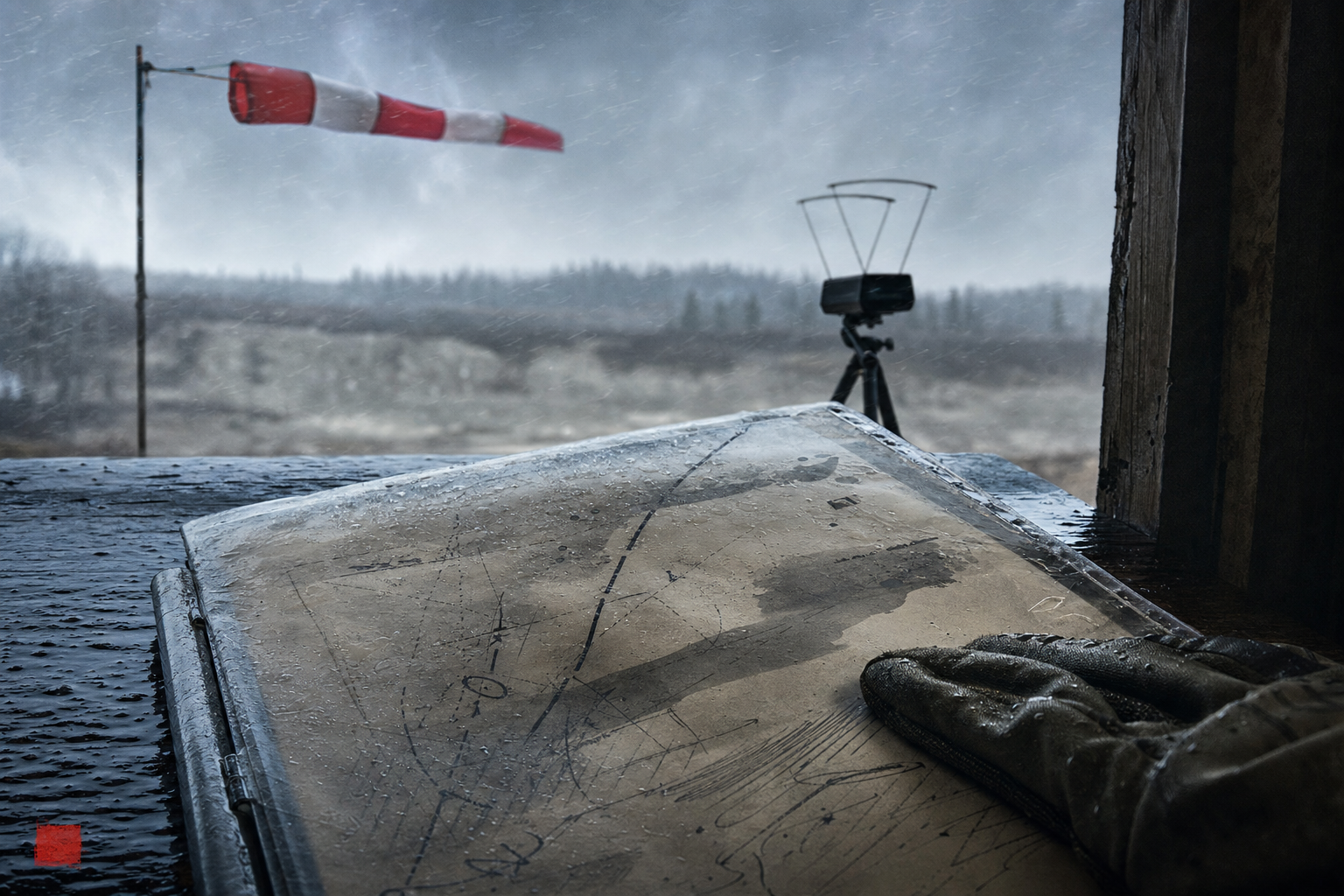
One miserable day before the upgrade
The next time a piece of kit looks tempting, give bad weather a vote first.
If the rifle still holds zero, the optic stays clear, the bag works, the bipod bites, the gloves behave, and the shooter can still call shots, fine. Buy the thing if it solves a real problem. We are not monks. The sport already has enough penance built into ammunition pricing.
But if the ugly day reveals the actual weak point, that is better than a sale.
Maybe the upgrade is a different rear bag. Maybe it is a waterproof notebook. Maybe it is a glove change, a better case, a different lens cloth, a different bipod foot, or simply more time behind the rifle when comfort is no longer doing half the work.
The sunny day sells gear. The ugly day audits it.
Buy less mystery. Shoot more weather. The range day does not have to be fun to be valuable.
Sources
- r/canadaguns, "Experiencing all weather and conditions": https://www.reddit.com/r/canadaguns/comments/1trslzq/experiencing_all_weather_and_conditions/
- r/canadaguns, "How do we like this": https://www.reddit.com/r/canadaguns/comments/1trlkq6/how_do_we_like_this/
- r/canadaguns, "New Semi-Auto's: Customizability": https://www.reddit.com/r/canadaguns/comments/1ts5xj9/new_semiautos_customizability/
- r/canadaguns, "First gun": https://www.reddit.com/r/canadaguns/comments/1trnbi4/first_gun/
- Royal Canadian Mounted Police, "2024 Commissioner of Firearms Report": https://rcmp.ca/en/corporate-information/publications-and-manuals/2024-commissioner-firearms-report
- Royal Canadian Mounted Police, "Firearms": https://rcmp.ca/en/firearms
Keep the range notes worth reading later.
If this piece has you thinking about range time, keep the notes useful enough to read later.
Use the Holdover Range Bench Log Card to record rifle, optic, ammunition, distance, weather, zero, group notes, correction, and next test without turning a range trip into a memory test.
Safety note: the card is a note-taking worksheet, not shooting instruction, load data, legal advice, or a substitute for range rules, official guidance, manufacturer manuals, or qualified instruction.