Canada counted *more* range facilities. Ontario counted fewer.
The RCMP's 2025 report records eleven more range facilities across Canada and fifteen fewer in Ontario. Its separate club counts help explain the limits of a national total.

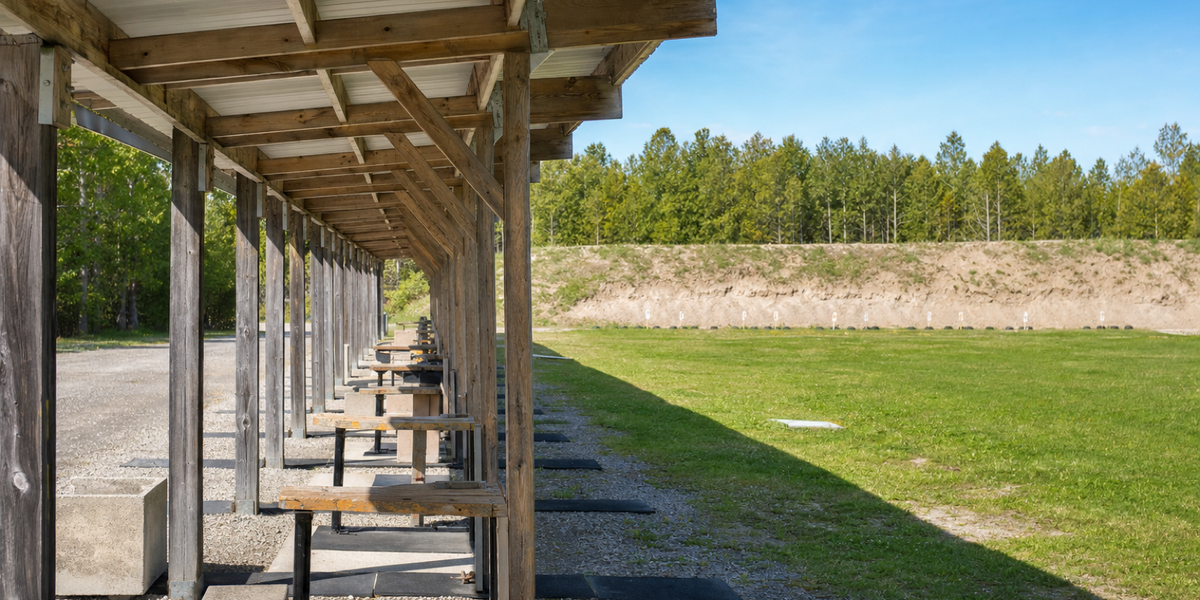
Canada recorded eleven more shooting range facilities in 2025. Ontario recorded fifteen fewer.
The RCMP's 2025 Commissioner of Firearms Report counts 946 facilities across the country at December 31, up from 935 in its 2024 report. Ontario moves from 246 to 231. Over the same period, its shooting-club count rises from 220 to 225.
That combination deserves a closer read. A national increase can include a lower provincial count, and the organizations running shooting activities can move in a different direction from the facilities they use. For owners interested in where the sport happens, each column answers part of the question.
These are annual snapshots from the end of 2024 and 2025. The 2025 report reached Parliament in June 2026. Read them as a comparison of those two year-ends; a trip planned this October still needs current information from the operator.
Ontario and Alberta move in different directions
Table 16 in each report provides the provincial and territorial breakdown. Alberta's facility count rises from 119 to 141, an increase of 22. That exceeds the country's net increase of eleven because decreases elsewhere offset some of the gain.
Ontario records fifteen fewer facilities and Manitoba three fewer. Saskatchewan adds six and Nova Scotia one. The remaining provincial and territorial facility counts hold at their previous levels.
The club column follows its own pattern. Alberta records one fewer club, going from 94 to 93, alongside its higher facility count. Saskatchewan goes from 105 clubs to 102 while adding facilities. Ontario adds five clubs alongside its lower facility total.
An owner in Ontario and an owner in Alberta can therefore read the same national figure and miss different local questions. The provincial detail warrants attention before anybody turns Canada's increase into a claim that finding a place to shoot became easier everywhere.
A facility and a club count different things
The RCMP explains that a range facility can contain one or more firing ranges, or lines of fire. Chief Firearms Officers approve the activities conducted on each range within a facility. One facility entry can therefore encompass more than one shooting area.
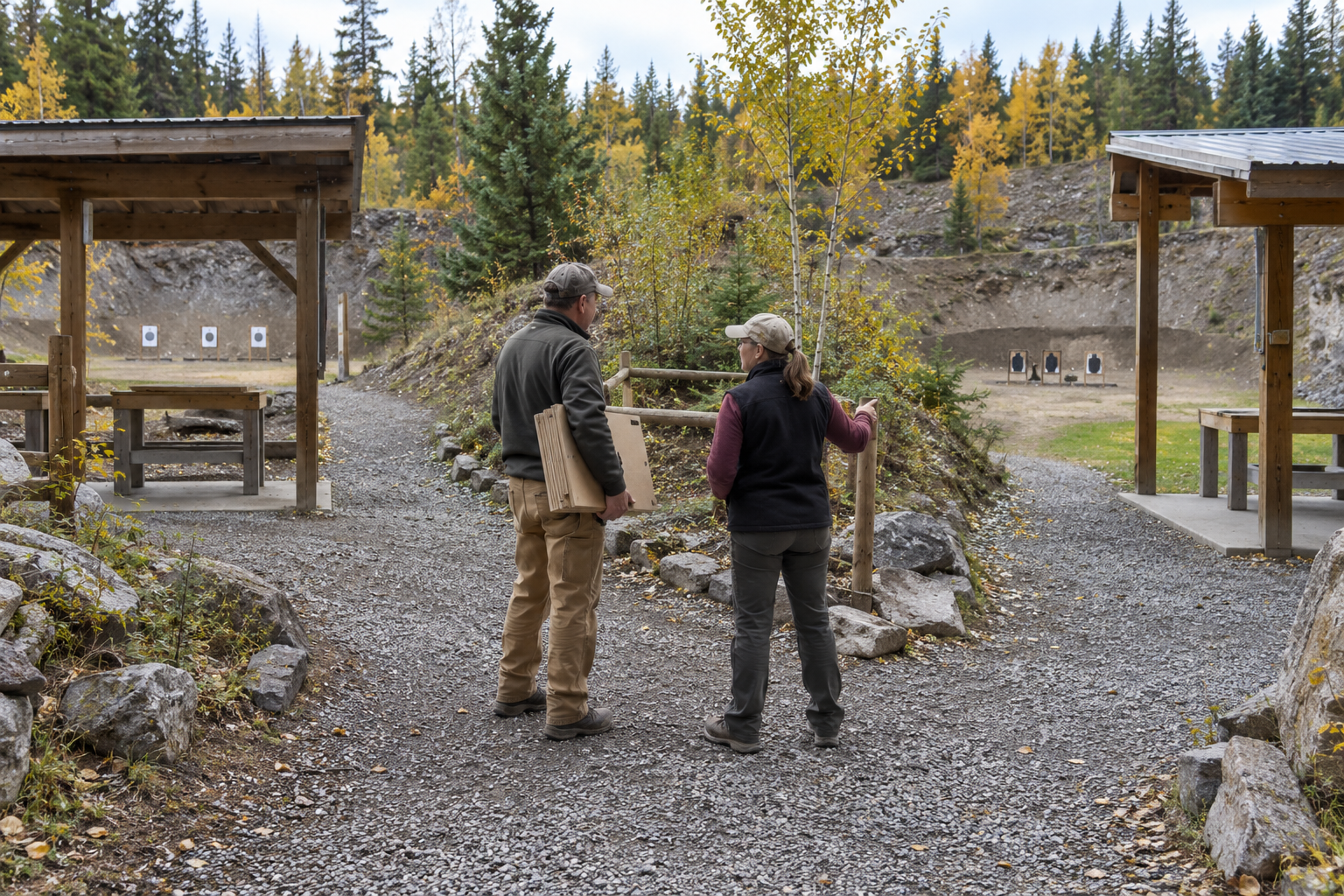
The federal Shooting Clubs and Shooting Ranges Regulations draw a further distinction. They define a shooting range as a place intended for regular, structured target practice or target-shooting competition.
Their definition of a shooting club concerns a non-profit organization whose activities include target practice or competition using restricted firearms or prohibited handguns at an identified approved range. That legal category has a particular scope. A casual shooting group or a name on a club directory needs its own context before anyone places it inside this count.
Under section 4, a club seeking approval supplies the name and address of each range it uses, along with evidence of permission to use at least one qualifying range. Section 3 asks a range applicant for information about the location and proposed hours of operation.
Those separate requirements help explain why counting organizations and counting facilities produces different totals. The two columns provide different units of information, each useful on its own terms.
The visit behind the number
I made a last-minute trip to a rifle range this summer and found it committed to an F-Class event. I left without shooting.
That visit comes to mind when I read a national facility count. The range had an event using it. My plan for that visit needed a different time. A tally of approved facilities would have captured none of that detail.
For somebody planning a session, the useful information includes the distance available, permitted activities, and the calendar for that part of the property. Membership openings and guest arrangements also belong with the operator. A provincial row has room for none of those particulars.
The same limit applies to an increase. Twenty-two additional entries in Alberta's year-end facility total give us a change to investigate. Their effect on the hours and places available to shooters needs evidence from the facilities behind the count.
Fifteen fewer leaves the cause open
Ontario's net movement from 246 to 231 establishes a lower recorded total. The tables provide no list identifying the facilities behind the change or explaining why their count moved.
Calling it fifteen closures would go beyond that evidence. A year-end comparison leaves the individual entries and exits unresolved, along with any administrative changes affecting the records. The published figures also leave the amount of usable shooting space unmeasured.
The annual report has a legitimate administrative job. A consistent provincial table lets readers compare counts and ask follow-up questions. Expecting it to settle opening hours or membership availability would ask much more of the published measure than the RCMP claims for it.
The follow-up I would welcome is specific: an explanation of the provincial changes, with enough facility-level information to understand their practical effect. Operators and members could then connect the count to the places they know.
Give the regional changes their due
Lawful shooting depends on people having functioning places to practise, compete, and introduce others to the sport. I want those places to thrive, and I want arguments about their future to rest on figures that describe them accurately.
The national gain is part of that account. Ontario's lower facility count deserves the same attention, as does the increase in its club count. Treating those movements separately gives owners and associations a firmer starting point for asking what their province needs.
The useful follow-up belongs with the provincial rows: which facilities changed, why, and what that changed for the people who shoot there?
Feature image: Generated illustrative range facility. It depicts no actual club, province, closure or change counted by the RCMP.
Sources
- RCMP, 2024 Commissioner of Firearms Report, Table 16. Counts at December 31, 2024; page modified June 12, 2026. Retrieved October 3, 2026.
- RCMP, 2025 Commissioner of Firearms Report, Table 16. Counts at December 31, 2025; page modified June 30, 2026. Retrieved October 3, 2026.
- Justice Laws, Shooting Clubs and Shooting Ranges Regulations, sections 1, 3, and 4. Consolidation current to September 21, 2026. Retrieved October 3, 2026.
- House of Commons, Journals, June 12, 2026. Tabling of the report on administration of the Firearms Act for 2025. Retrieved October 3, 2026.
The amnesty file is still moving.
If this piece sent you back to government pages, do not wait for the next portal, Gazette, or court move to find you by accident.
The Dispatch follows Public Safety, RCMP, Canada Gazette, court, compensation, collection, and amnesty updates so the next change comes with the source that moved.
Safety note: the tracker is a worksheet for source hygiene, not legal advice or a substitute for current official guidance.