On the SKS, Carney points to *advice* before a decision
Carney says expert advice comes before an SKS decision. The current classification, original design and cabinet authority explain what owners can establish today.

Mark Carney has given SKS owners a clearer account of what Ottawa is waiting for. Asked on Thursday about restricting the rifle, the Prime Minister pointed to an arm's-length assessment and professional advice, including from the RCMP, before the government decides what to do.
That followed Public Safety Minister Gary Anandasangaree's Wednesday statement that an expert panel was reviewing whether the SKS should be banned. The comments came amid renewed questions following the Tumbler Ridge killings. The deaths and the families affected deserve care. This week's remarks also deserve a precise reading: the government has described advice it intends to consider. It has announced no SKS prohibition in that answer.
I own a surplus Chinese SKS in a FAB chassis. That gives this file a fairly concrete place in my reading. An advisory process can examine evidence and recommend a direction; the government remains responsible for the choice it makes afterwards.
For an owner following the headlines, the useful distinction is between the rifle's present status, a recommendation about its future and an actual change in law.
Where an SKS stands today
An ordinary, compliant SKS in its original configuration remains non-restricted. Public Safety's March 2026 committee notes explicitly say it was excluded from the May 2020, December 2024 and March 2025 prohibitions. Current reporting continues to describe that status. Individual modifications and other legal requirements still matter; the family name alone cannot settle every rifle's classification.
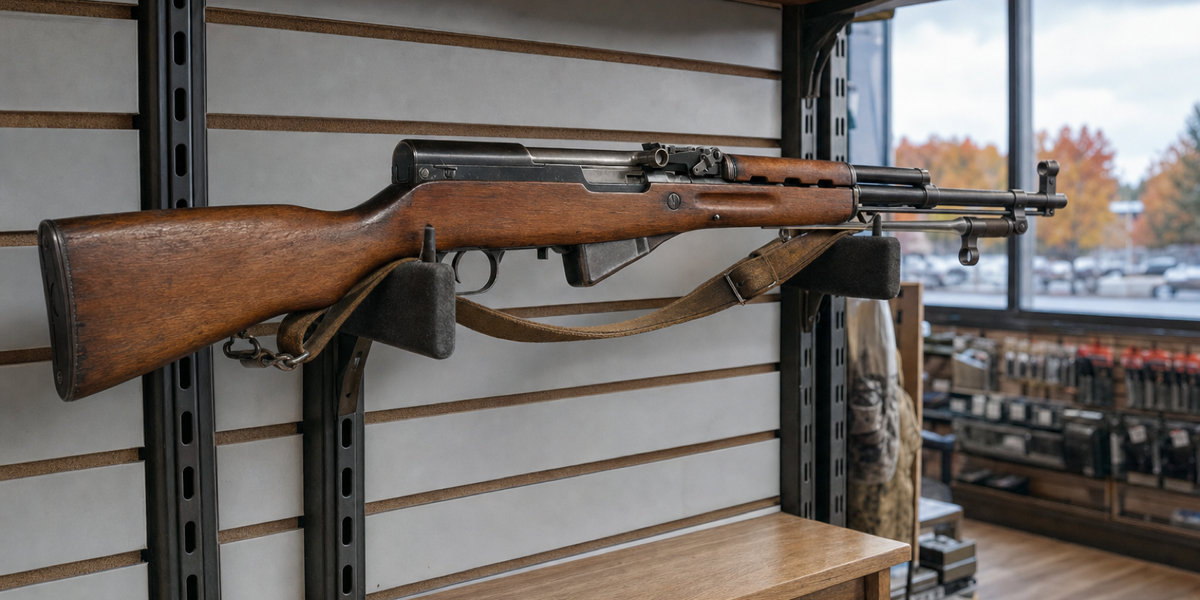
The original design helps explain why it remains in this separate policy discussion. The SKS is a semi-automatic centre-fire rifle with a fixed magazine. Public Safety's earlier Expert Advisory Panel report describes the historic ten-cartridge design and the five-cartridge limit applying in Canada. Those are different facts. A photograph of the magazine's exterior cannot establish compliance with that limit.
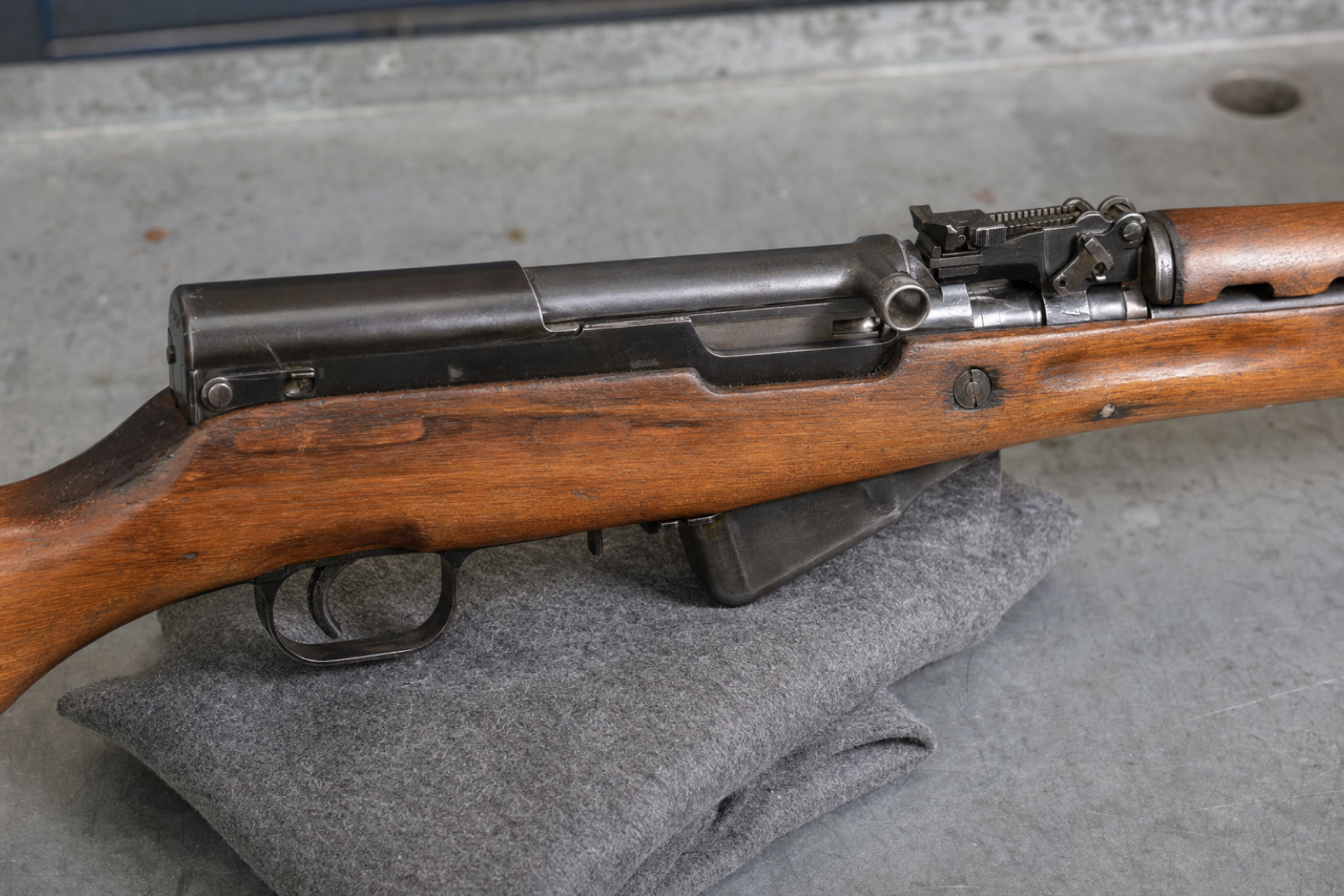
The prospective technical definition added through C-21 combines several conditions. Under section 84 of the Criminal Code, the relevant category concerns a non-handgun firing centre-fire ammunition semi-automatically, originally designed for a detachable magazine holding six or more cartridges, and designed and manufactured from the provision's commencement. The earlier panel report identifies that date as December 15, 2023.
The original fixed-magazine SKS design predates that date by decades. It therefore falls outside that combination of requirements. That explains one part of the present legal position. It offers no guarantee against a future government changing the applicable law.
There is an ordinary ownership context behind the shop-rack familiarity of this rifle. Someone considering a purchase or keeping an existing SKS needs current rules they can identify, alongside a clear account of proposals still under examination. A statement about pending advice supplies the latter kind of information.
The decision still belongs to government
An expert panel can advise. Its recommendation does not amend the Criminal Code or add a rifle to a regulation.
One existing route for a further prohibition is cabinet regulation under section 117.15. The section grants regulation-making authority to the Governor in Council. Parliament can also amend legislation. Either route requires a government act beyond an expert recommendation.
The hunting and sporting provision needs equally careful treatment. Section 117.15 limits what cabinet may prescribe as prohibited or restricted when, in cabinet's opinion, the item is reasonable for hunting or sporting use in Canada. The words assigning that opinion to cabinet carry real weight. An owner's documented hunting use can inform the debate, but it does not automatically decide the statutory question.
The case for prohibition also deserves to be stated fairly. As CTV reports, PolySeSouvient is seeking an SKS prohibition. Its public-safety case centres on the harm such a rifle can cause when misused and its involvement in previous killings. That argument asks government to consider risk even where many existing owners have committed no offence. The proposal remains an advocacy position; ministers would need to explain the evidence and expected effect of any measure they adopted.
My view is that Ottawa owes lawful owners an explanation of how a proposed restriction would address the harm it identifies, what evidence supports that expectation and how legitimate uses would be treated. Expert advice can improve that explanation. Ministers will still have to defend the measure they choose.
There is a published history to this review
The public record contains more than this week's references to a panel. In a progress report dated September 5, 2025, Public Safety described a reconvened Expert Advisory Panel helping with the review's parameters, an expected duration of one year and broader engagement options under development.
That older planning statement does not establish a launch date or a current deadline. It does establish that some intended advisory work and duration had been described publicly.
The December 4 announcement and January 17 release added commitments to a broader classification review, expanded expert input and dedicated Indigenous consultation, including on the SKS. January also named broad public engagement. Those commitments deserve to remain visible when the government describes its next steps.
In the current records checked for this article, I could not locate a current roster, detailed current terms or a dated consultation calendar for the body described this week. An earlier panel's report does not establish who is advising Carney now. That gap also cannot prove that no work or conversations have occurred.
Holdover has already examined the public route into this review. This week's answer adds a more immediate point for SKS owners: Carney is waiting for advice, and the government's classification choice remains ahead.
I will be watching for the advice Ottawa relies on and the decision ministers attach to it. Owners should be able to read both, then see exactly how any proposed change would become law.
Sources
- Canadian Press: Carney points to a federal review, October 8, 2026
- CBC: reporting on the minister's panel statement
- CTV: renewed calls for an SKS prohibition, updated October 9, 2026
- Public Safety: March 2026 INAN committee briefing notes
- Public Safety: earlier Expert Advisory Panel final report
- Criminal Code, section 84
- Criminal Code, section 117.15
- Public Safety: September 2025 regulatory progress report
- Public Safety: December 4, 2025 classification-review announcement
- Public Safety: January 17, 2026 review commitments
- Holdover: the public route into the classification review
The amnesty file is still moving.
If this piece sent you back to government pages, do not wait for the next portal, Gazette, or court move to find you by accident.
The Dispatch follows Public Safety, RCMP, Canada Gazette, court, compensation, collection, and amnesty updates so the next change comes with the source that moved.
Safety note: the tracker is a worksheet for source hygiene, not legal advice or a substitute for current official guidance.