The job Yukon has written for a *firearms advocate*
Bill 11 would give Yukon firearm owners an advocate with policy, education and public-reporting duties. The introduced text also sets limits on the position.

Yukon has put a proposed firearms advocate's job description before its Legislative Assembly. The useful question for owners is what that person would be able to do once appointed, and what the public could check afterwards.
Justice Minister Laura Lang tabled Bill 11, the Yukon Firearms Act, on October 7. The Assembly's progress-of-bills record lists its first reading that day. As checked October 8, it records no second reading, third reading or assent.
The bill would establish an advocate for Yukon firearm users, with duties covering policy advice, public information, education and communication with officials. Its text also requires an annual activity report and financial statement. That combination gives owners something concrete to assess if the proposal becomes law and someone takes the job.
A northern brief with practical work attached
The bill's preamble places firearms in the territory's hunting, trapping, sport and subsistence-harvesting traditions. It also recognises their role in safety on the land. Those are specific reasons to examine how a policy works in northern communities.
Section 3 would require the advocate to advise the justice minister about firearms legislation and policy, including the effects of federal decisions in Yukon. The advocate could conduct research, collect and analyse data, engage owners and communicate with the chief firearms officer or other officials.
The public-facing duties matter too. The office would distribute information about proposed laws and their likely effects, and provide or help arrange firearms education. A useful advocate could turn an owner's recurring problem into a documented question, take it to the responsible official and explain the answer in language people can use.
That last sentence describes a possible way of doing the work. The bill does not promise a particular service standard, training schedule or result for an individual owner. Those details would need to follow an appointment and funding decisions.
The licensing office keeps its own job
The territorial government's October FAQ separates the advocate from the northern chief firearms officer. The advocate would be appointed and funded territorially. The CFO administers the federal Firearms Act, with responsibilities that include licensing, authorisations and shooting-range approvals.
The distinction is written into eligibility. Section 4 of Bill 11 would prevent a CFO or firearms officer from holding the advocate's position. Yukon and federal public servants, members of the Legislative Assembly and federal parliamentarians would also be ineligible.
For an owner, the practical consequence is that a new advocate would add a route for representation and policy work. The bill gives the advocate no power to issue a PAL, reverse a federal prohibition or grant a compensation payment. Its provisions do not create a replacement licensing office.
Holdover's earlier look at the northern CFO and course access addressed the service owners need from that federal office. Bill 11 raises a separate question: how effectively could a territorial advocate bring local evidence to those who make or administer policy?
An advocate with a public reporting duty
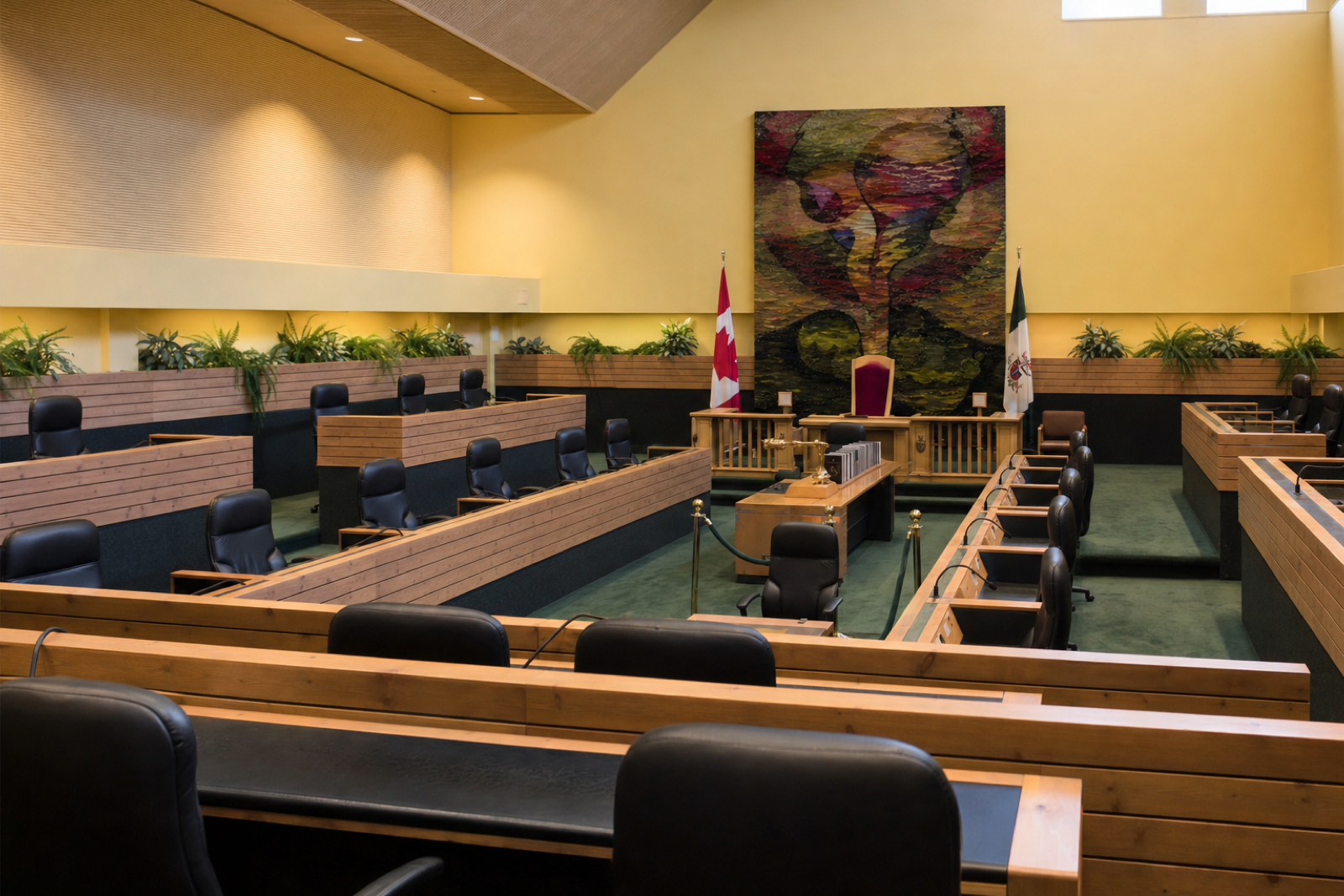
Section 8 would require an annual report on the advocate's activities, alongside a financial statement covering expenses and financial assistance received from the minister. Both would be due to the minister by June 30 each year. The minister would then have to table them in the Legislative Assembly as soon as practicable.
That creates a public record against which claims of useful work could be tested. An owner should be able to look for the problems raised, the officials approached and the work completed. Those are reasonable expectations for useful reporting; the bill itself does not prescribe that exact format.
The office would have some structural separation from government. Section 3 says the advocate would generally not be an agent of the Yukon government, except where a contract creates that relationship. The appointment provisions also leave substantial control with the minister: terms could run for up to two years, reappointment would be possible, and the advocate could be removed before the term ended. The bill calls that holding office “at pleasure.” Pay and support would depend on ministerial decisions.
Those details make the choice of appointee and the quality of the public reporting worth watching. Calling the position independent without explaining its appointment and funding arrangements would give readers an incomplete picture.
The consultation leaves questions to answer
The What We Heard report records 268 formal responses from the July 2 to August 7 consultation. They came through an online survey, email and in-person communications.
On whether the proposed role met expectations, 122 responses agreed and another 22 were conditionally supportive. Seventy-six expressed firm opposition. The report identifies cost and doubts about the role's usefulness among the objections. It also records interest in safety education, youth training and access to courses.
These are consultation responses from a self-selected process. The report explicitly says firearms groups received particular consideration and invitations. The numbers cannot establish the proportion of all Yukoners who support the office. They can help identify questions an appointed advocate would inherit, including whether the public money produces useful work.
My view as an owner: If a policy decision affected a rifle I own, I would want the office to explain which part of my concern it could take forward, who was asked for an answer and what remained unresolved. I would judge the work by that account. The proposed reporting requirement offers a place to look for the detail.
There is still a legislative process ahead. The FAQ says appointment could happen after assent, with the timing left to the minister. The next useful checkpoints are the bill's progress, the eventual appointment and the office's published work. Owners have a proposed job description to read now; its results remain to be demonstrated.
Sources
- Government of Yukon: Bill 11 announcement, October 7, 2026
- Yukon Legislative Assembly: progress of bills
- Bill 11: Yukon Firearms Act
- Government of Yukon: firearms advocate FAQ, October 2026
- Developing firearms legislation: What We Heard, October 2026
The amnesty file is still moving.
If this piece sent you back to government pages, do not wait for the next portal, Gazette, or court move to find you by accident.
The Dispatch follows Public Safety, RCMP, Canada Gazette, court, compensation, collection, and amnesty updates so the next change comes with the source that moved.
Safety note: the tracker is a worksheet for source hygiene, not legal advice or a substitute for current official guidance.