From a Montréal gun trace to *four more* guilty pleas
Four more defendants have pleaded guilty in a Canada-bound firearms case. A Montréal recovery and restored serial number helped investigators follow the supply.

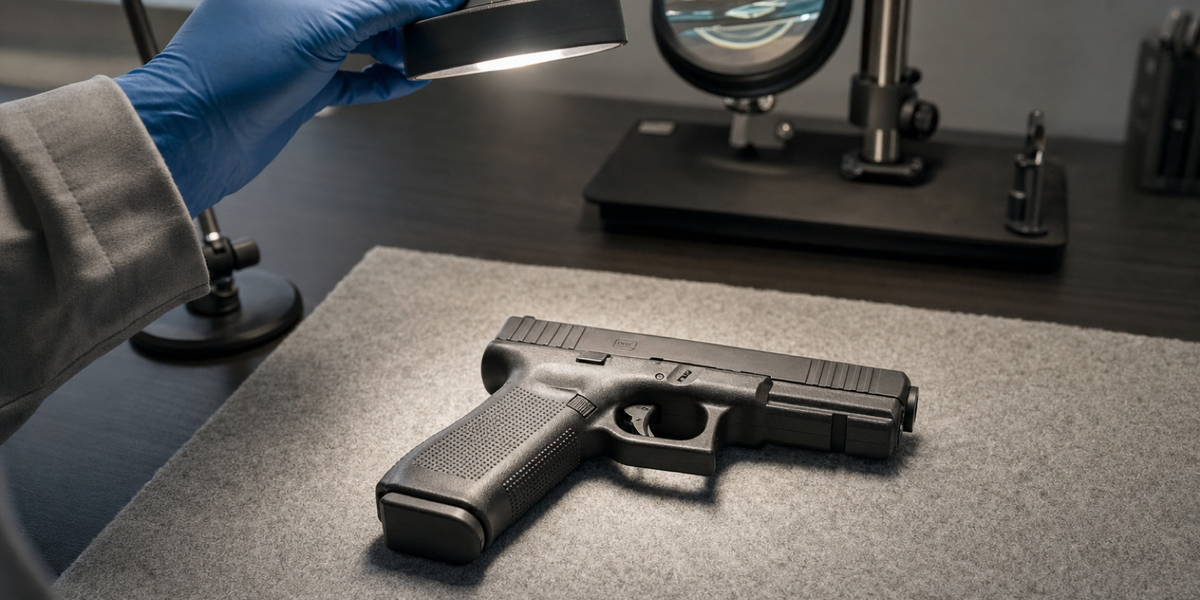
A firearm recovered during a Montréal kidnapping investigation had an obliterated serial number. Police restored it and traced the gun to a New Hampshire purchase. On October 9, U.S. prosecutors announced four more guilty pleas in the wider trafficking case that followed.
That sequence deserves attention from Canadian owners. It shows a particular kind of firearms enforcement producing a result we can examine: a recovered object, an identified purchase, a wider investigation, and defendants admitting to offences. The new announcement also leaves work ahead. Sentencing for these four defendants is scheduled for February 2027.
The Canadian recovery behind the case
The U.S. Attorney's Office for New Hampshire identifies Conrad Oakes, Tayson Terrance, Ranonkwatseronhawi Gibson, and Montana Cook as the latest defendants to plead guilty. Each pleaded to conspiracy to straw-purchase firearms and conspiracy to traffic firearms, according to the October 9 release. Prosecutors place the pleas between September 26 and October 9.
Straw purchasing means someone buys on behalf of another person while concealing who the purchase is really for. In this case, prosecutors described a network obtaining firearms through buyers in the United States and moving them into Canada.
The investigation was public well before this week's pleas. A May 14 announcement reported five earlier guilty pleas and charges against eight additional people. The October development advances that existing case.
In a May court submission, prosecutors dated the Montréal search to August 30, 2024. They said the recovered serial number led to a firearm purchased in New Hampshire in October 2023. That is the starting lead described in the current release. Establishing the wider conspiracy required further investigation.
Canadian work appears throughout the record. The October release credits the Ontario Provincial Police, Sûreté du Québec, Canada Border Services Agency, and Akwesasne Mohawk Police Service among the agencies assisting ATF and Homeland Security Investigations. Cook's plea agreement also identifies Canadian investigative partners. The Akwesasne Mohawk Police Service helped investigate a case whose alleged route passed through the territory.
What a trace can establish
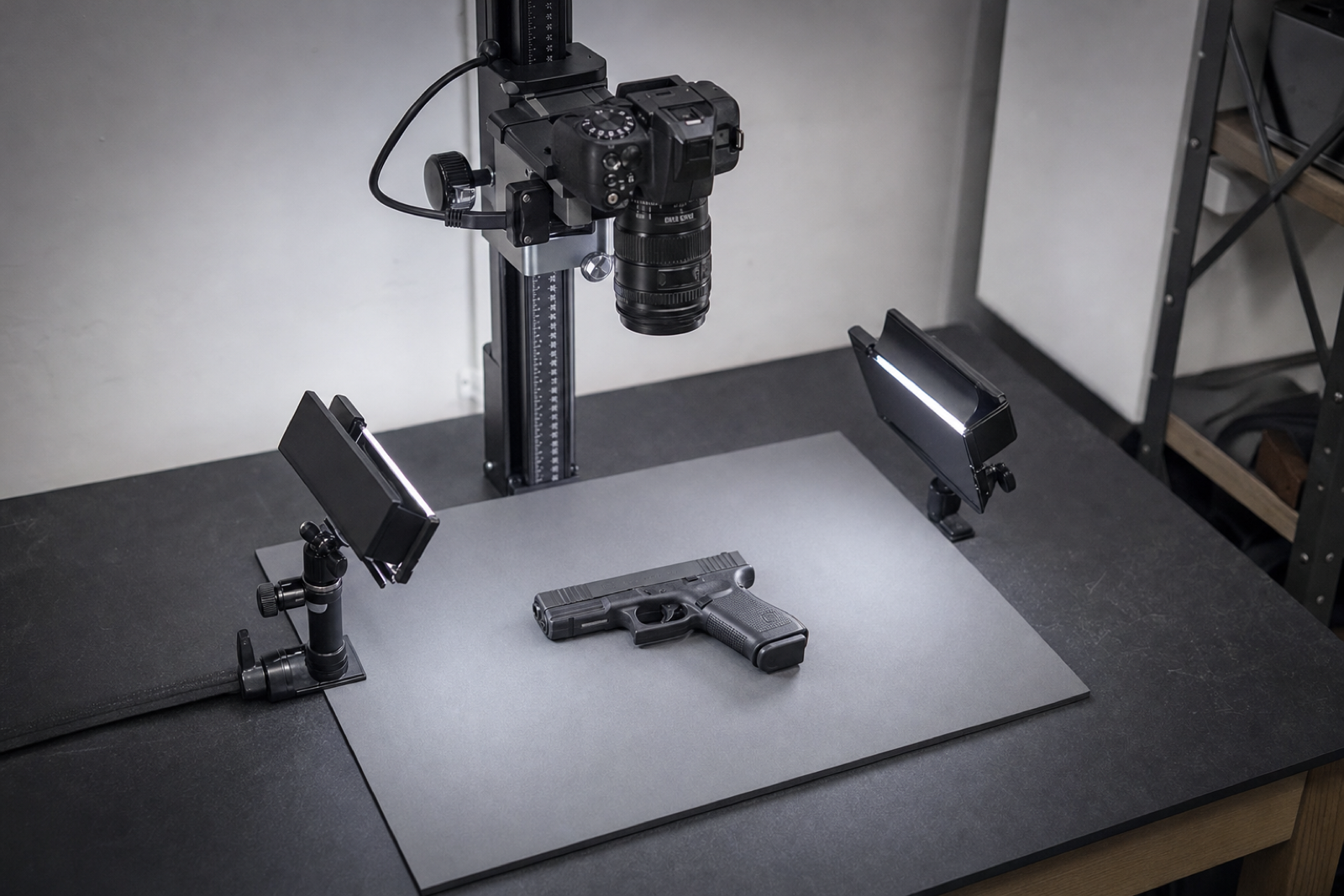
A trace gives investigators somewhere to look. ATF's National Tracing Center description explains that it traces firearms associated with crime to provide investigative leads, including for foreign police agencies. Purchase history can connect recoveries across jurisdictions and help identify a possible source of supply.
The RCMP's 2024 Commissioner of Firearms report describes the Canadian tracing centre following a firearm from manufacture or import through the distribution chain to the last known owner or business. It also describes cooperation with ATF and international partners. That explains the service's general role; the case documents establish which agencies participated here.
A purchaser's name still needs investigation. A firearm may change hands, and finding a name in its history does not by itself establish who committed a later offence. The significance of this week's development lies in the additional evidence and guilty pleas. Reporting the trace and stopping there would leave the reader several steps short of the outcome.
I keep rifle-specific load records, so I have some affection for the unglamorous business of making sure a record belongs to the right firearm. Nobody buys a rifle for the pleasure of maintaining its file. The value becomes obvious when a later question depends on getting the identity right.
Two counts, different claims
The October release says investigators identified approximately 51 firearms potentially trafficked from New Hampshire to Canada. At least ten were subsequently recovered at Canadian crime scenes. The first figure describes the suspected scale of the supply; the second describes documented recoveries reported by prosecutors. Calling all 51 Canadian seizures would overstate the record.
Dates matter here too. Cook's agreement describes nine Canadian recoveries at its earlier stage. The October announcement gives the later figure of at least ten. The agreement was filed in September, before the plea period reported in the new announcement. An agreement's filing date and a defendant's court plea are separate events.
Nor does this one investigation establish what share of Canada's crime guns came from abroad, how many offences it prevented, or the effectiveness of every firearms policy. It supports a narrower finding: investigators followed a specific supply network and prosecutors have obtained further admissions in court.
Give the work a measurable place
In my view, a pro-ownership position should include support for this kind of investigation. Canadian shooters have a direct interest in police pursuing the people supplying firearms for violent crime. Tracing capacity, cooperation across borders, and the work required to prosecute those cases deserve scrutiny and sustained attention.
Supporters of tighter firearm controls can reasonably argue that regulation and enforcement should work together. Each intervention still needs evidence for its own claimed result. Here, we can identify the Canadian recovery, the investigative partners, and the subsequent pleas without borrowing a conclusion about a different programme.
For these four defendants, prosecutors list sentencing hearings in February. Following those outcomes, while keeping allegations, admissions, and sentences distinct, would tell Canadians more than another announcement that stops at the number of guns on a table.
Sources
- U.S. Attorney, New Hampshire: four additional guilty pleas, October 9, 2026
- U.S. Attorney, New Hampshire: original case announcement, May 14, 2026
- Government pretrial submission, May 14, 2026
- Cook plea agreement, Oakes agreement, Terrance agreement, Gibson agreement
- ATF: National Tracing Center
- RCMP: 2024 Commissioner of Firearms report
The amnesty file is still moving.
If this piece sent you back to government pages, do not wait for the next portal, Gazette, or court move to find you by accident.
The Dispatch follows Public Safety, RCMP, Canada Gazette, court, compensation, collection, and amnesty updates so the next change comes with the source that moved.
Safety note: the tracker is a worksheet for source hygiene, not legal advice or a substitute for current official guidance.