CCF asks when the FRT does the *work of law*
CCF proposes three questions for assessing when firearms guidance needs statutory authority. Canada's argument locates the legal force in the regulations.


Opinion
A November 9 statement from the Canadian Constitution Foundation (CCF) gives owners a concrete way to follow one part of the Supreme Court firearms appeals: three questions about the legal force of the RCMP's Firearms Reference Table (FRT). The proposal asks when government guidance needs the legal authority required to make a binding rule.
The foundation's September 16 written argument sets out the framework. CCF leaves the question of whether the FRT exceeds its legal authority, individual firearm classifications, and the appeal's outcome outside its position. It asks the judges to adopt a standard for deciding when an instrument has the character of law.
That gives owners something specific to examine during the appeals scheduled for November 9 and 10. Government's authority to impose a binding rule, and an owner's ability to understand that rule before acting, deserve attention together.
Three questions, in the filed order
Paragraph 22 of the factum puts the proposed inquiry in sequence:
- Does the instrument establish a legal position, such as prohibited, permitted, or compliant?
- Do legal consequences follow, such as prosecution, seizure, or loss of a licence?
- Could a reasonable person affected by it, using publicly available information, understand that before acting?
CCF argues that three affirmative answers mean the instrument performs legal work and requires statutory authority. Its condensed outline for the hearing repeats that order and directs attention to intended and actual effects.
The distinction concerns the power behind a rule. A government body can describe an instrument as guidance while people affected by it experience a binding requirement. CCF wants courts to examine that relationship through the instrument's operation and the information available to the citizen.
For an owner, the last question puts the timing in the right place. The proposal looks to what someone could understand when deciding how to act. That might be when considering a purchase or deciding what to do with a firearm already owned. CCF asks the Court to assess the legal character of the instrument from that position.
Canada's answer starts with the regulations
The Attorney General of Canada's main factum supplies a substantial answer. Paragraphs 120 to 125 describe classification as the application of existing law through factual assessment and interpretation. Officials examine a firearm's characteristics and lineage against the regulatory wording.
On Canada's account, the regulations supply the prohibition. RCMP technicians offer opinions to help officials apply it. Courts retain the final assessment of whether a particular firearm falls within a prohibited category, and the Crown must prove the elements of an offence.
That is a serious distinction. Police and courts routinely need expertise to understand physical evidence. An expert reference can be influential because it organizes technical knowledge. Its usefulness alone says little about whether its authors have made a new binding rule.
Canada argues that the underlying prohibitions would continue even if the FRT disappeared. That proposition is central to its defence of the table's role: officials would still have to apply the Criminal Code and regulations to the firearm before them.
The RCMP's public page follows the same account. It describes technical assessments that assist identification and classification, and identifies the Act and regulations as the governing authority. A reader should give that explanation its full weight when assessing CCF's proposal.
What owners can know in advance
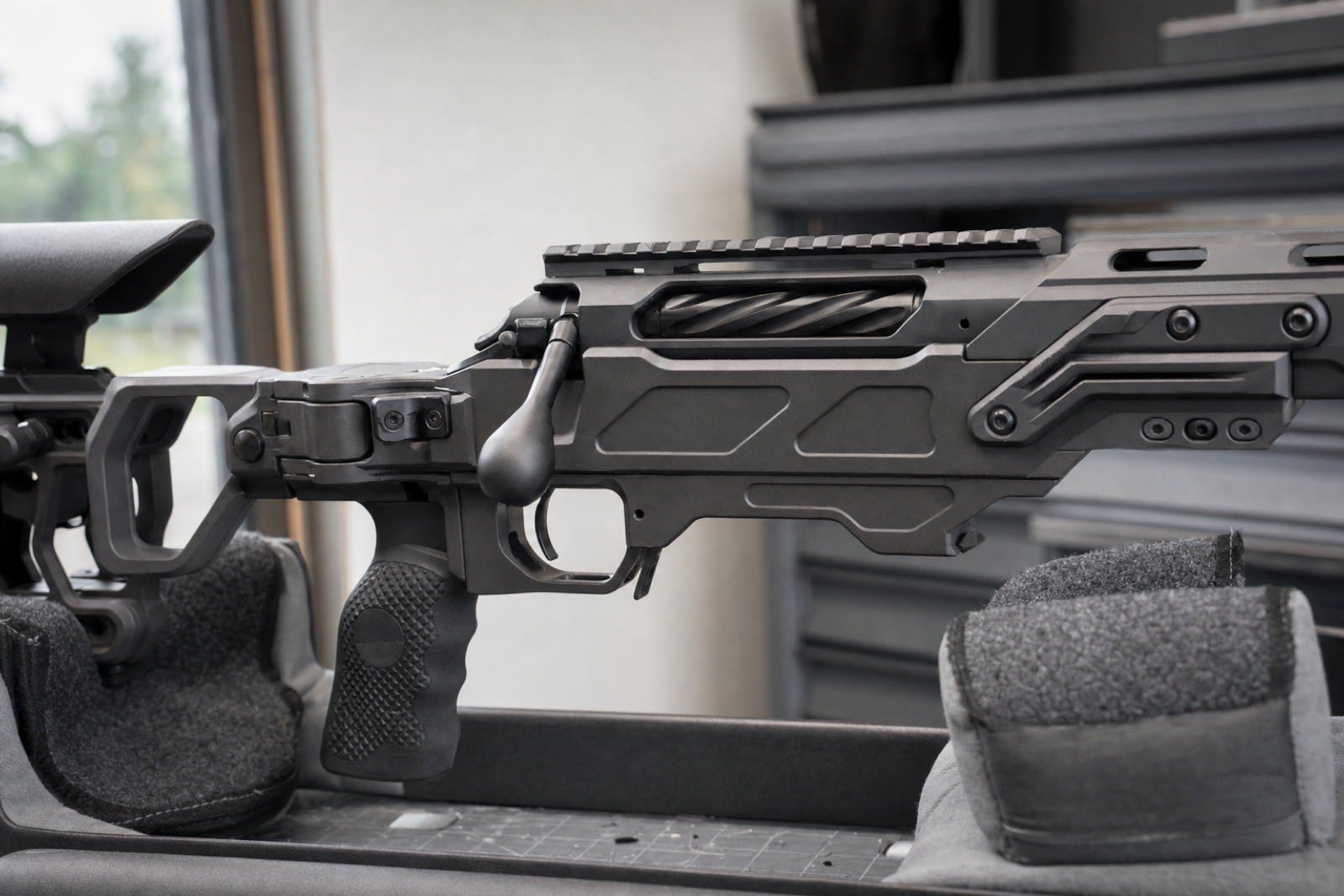
As an owner and handloader, I put time into getting an action, chambering, and configuration right. Those particulars affect whether equipment belongs together and what I can sensibly do with it. I expect comparable care from government when it attaches legal consequences to a classification.
CCF's argument concerns that point of decision. Paragraph 25 says a disclaimer should carry less weight where the record shows police, prosecutors, and courts treating an instrument as law. Establishing that proposition in this case requires examination of how the instrument operates. An owner's anxiety, or a confident statement on a forum, supplies a poor substitute for that evidence.
Canada places weight on the underlying legal boundary and the courts' ability to determine it. CCF wants a framework for asking whether the instrument itself has crossed into binding legal work. The disagreement deserves a clear account of where the legal obligation originates and how an affected person can find it.
Holdover's November FRT comparison examined which records appeared and which summary classifications changed. CCF's proposal adds a question about the legal authority needed for the function a government instrument performs.
A limited request with wider relevance
CCF designed its proposed framework for classification lists, guidelines, and policy directives across regulatory systems. Firearms owners supply a concrete example of why the distinction matters: a technical assessment can bear on decisions involving lawfully acquired property and potential enforcement.
The foundation asks the Supreme Court to adopt the test in its reasons. Adopting a framework, applying it to the evidence, and deciding the appeal each require their own reasoning. CCF's written position preserves those limits, and readers following the hearing should preserve them too.
I want the eventual reasons to make the chain of authority easier to follow. Owners already have to identify a firearm accurately and understand the rules governing it. Government should be equally clear about the authority behind the classification, at the point when an owner needs to decide how to act.
Follow verified developments in the Supreme Court file and their consequences for Canadian owners. Read The Dispatch.
Sources
- CCF: hearing-week statement, November 9, 2026; publication metadata checked November 10.
- CCF: factum, signed September 16, 2026; paragraphs 4-7, 15-28, and 30.
- CCF: condensed book, outline of oral argument. This article reports the filed outline, with no claim about words spoken at the hearing.
- Attorney General of Canada: main factum, paragraphs 38-44 and 120-128.
- RCMP: Firearms Reference Table, current public access page and disclaimer, checked November 10, 2026.
- Supreme Court: file 41859, hearing schedule and procedural record, checked November 10, 2026.