Which Defender 89s count as *antiques* in Canada?
The RCMP lists .32 rimfire Defender 89 configurations as antique and short-barrel .22 versions as prohibited. Finding the right record starts with the trade name.

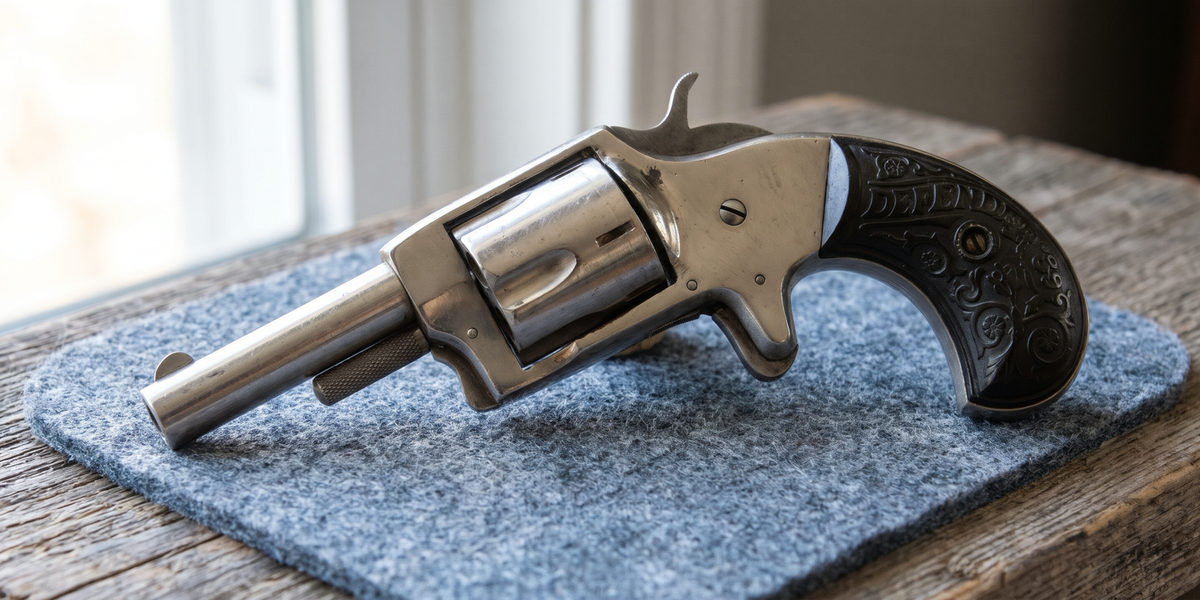
A .32 rimfire Defender 89 has antique entries in the RCMP's current public firearms table. Find the record under the trade name Defender, with Iver Johnson listed as manufacturer. The same record lists short-barrel .22 versions as prohibited.
That distinction deserves a careful look after Saturday's r/canadaguns post, whose author described buying an Iver Johnson .32 Defender 89 at a gun show. He called it his first antique pistol after years of holding an RPAL without buying a handgun before the transfer restrictions.
The post supplies a current ownership question. Its revolver's age, chambering, and classification remain unverified here. The useful answer comes from matching a particular firearm to the law and the exact record.
What the RCMP's table already shows
The November 2 public Firearms Reference Table, on pages 29,134 and 29,135, contains Firearm Reference Number 20219: Make Defender, Model Defender 89, Manufacturer Iver Johnson. Searching only the manufacturer's section can miss a record filed under the marking on the gun.
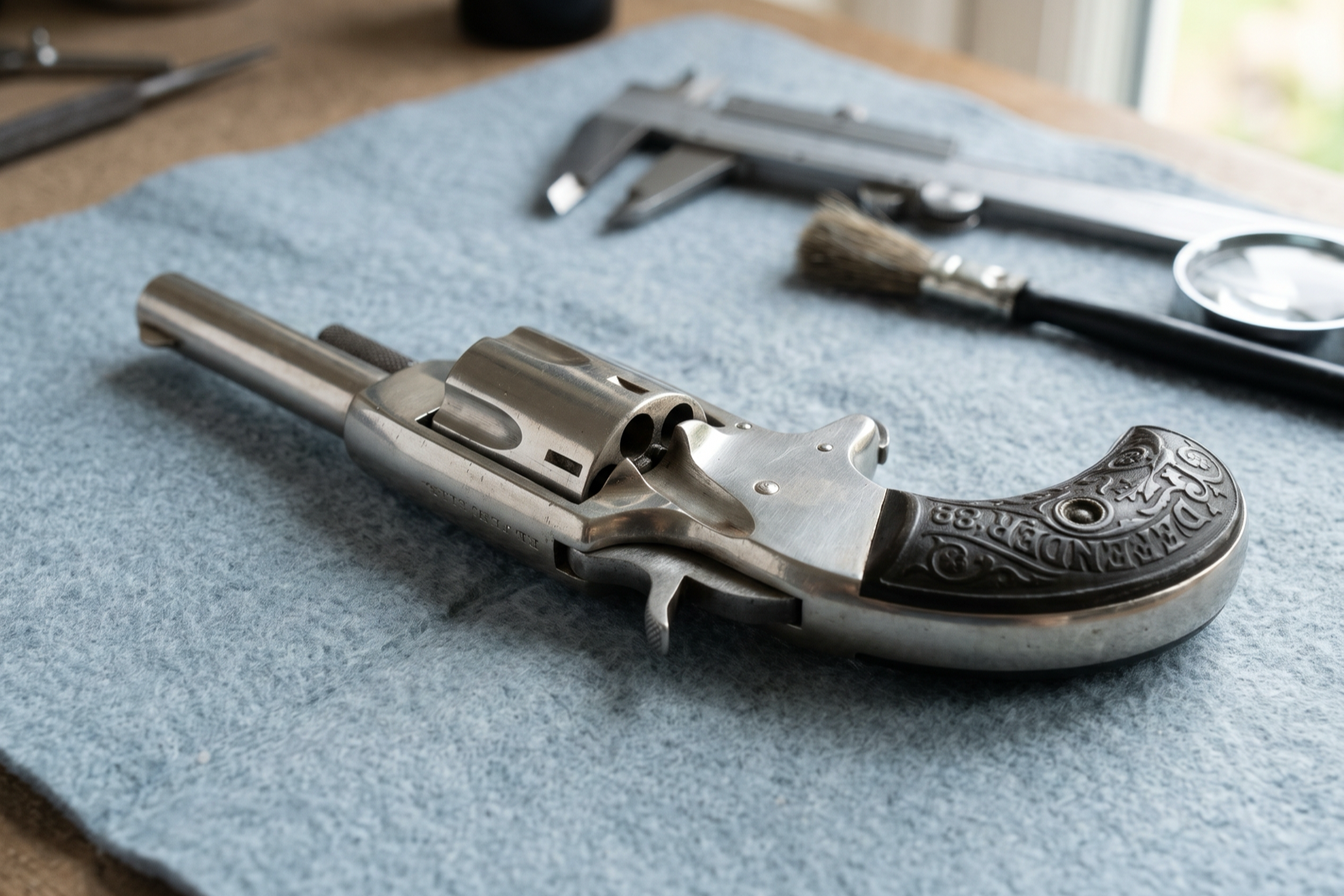
Its configuration table gives the answer in separate rows. Two five-shot .32 RF versions, with 54 mm and 63 mm barrels, are Antique under the antique-firearm regulation. Two seven-shot .22 RF versions with those barrel lengths are Prohibited. A .22 Short version with a 57 mm barrel is also Prohibited.
The .22 rows cite the Criminal Code's short-barrel handgun provision. The regulation's .22 Short, .22 Long, and .22 Long Rifle exceptions make exact chambering essential even for an old rimfire handgun.
There is a second trap on the page. The Summary box says Prohibited. The .32 RF rows below it say Antique. Reading the summary as a verdict on every configuration would lose the distinction the RCMP has already recorded.
The record's notes describe a single-action revolver with a solid frame and spur trigger, and identify the topstrap and sometimes the grips as places carrying the Defender 89 marking. That gives the owner useful identification clues to compare with the actual object.
The trade-name history helps explain the filing. The RCMP notes that Defender appeared on revolvers made for J.P. Lovell Arms and on firearms from several manufacturers. A name on the topstrap and the company that built the revolver can occupy different fields in the table. Searching both is a sensible way to avoid overlooking the relevant entry.
The date and cartridge conditions
The Criminal Code defines antique firearms through an age-and-design route and a separate prescribed-by-regulation route. Cartridge revolvers rely on the latter.
Item 6 of the Regulations Prescribing Antique Firearms covers handguns manufactured before 1898 that discharge only rimfire cartridges, with the three .22 exceptions above. A qualifying .32 rimfire revolver therefore has a route into antique status. A firearm made during 1898 falls outside that pre-1898 condition.
The precise cartridge matters too. Item 7, covering centre-fire handguns, excludes several cartridges, including .32 Smith and Wesson. A seller's description saying only ".32" leaves an important question unanswered. The .32 rimfire rows in FRN 20219 establish what the RCMP recorded for those configurations.
Dates need their own source discipline. The RCMP's Defender 89 notes give manufacture as 1889 to 1895. Ed Buffaloe's collector survey gives 1889 to 1899. Those accounts disagree. The public FRT provides an existing administrative position for the identified model, while the collector account supplies a reason to resolve an uncertain specimen carefully. Neither source establishes the date of the revolver in Saturday's post.
Match the firearm to the row
The RCMP describes the FRT as an administrative document based on technical assessments. The Criminal Code and regulations provide the legal rules. Owners should use both, with the record helping identify the configuration to which those rules apply.
Before paying, I would want the model and chambering identified, clear photographs of the markings, and whatever provenance the seller can provide. A matching model name is a start. Barrel length, cartridge, and the specimen's actual configuration still deserve attention, particularly where a table contains several classes.
Keep the source precise when saving that answer: the FRT edition, FRN, and individual configuration row, alongside the firearm's identifying photographs and any seller documentation. A screenshot of the Summary box would discard the Antique rows that make this record useful. Preserving the relevant pages also makes a later question about a different cartridge or barrel length easier to explain.
For an unresolved identification or date, the Canadian Firearms Program provides a public contact route at 1-800-731-4000. Ask about the specific firearm and keep the answer with the supporting record. A written explanation is more useful for a later question than a remembered conversation at a show.
Under current RCMP antique guidance, antique firearms require neither a firearms licence nor registration. A firearms licence is still required to obtain ammunition. Antique eligibility also remains separate from the narrow handgun-transfer exemptions available to individuals. Holdover's issuer-checklist article follows the sport-shooting letter route.
A useful record deserves to be findable
There is a reasonable purpose behind checking age and cartridge carefully. The antique schedule sets specific conditions, and an old model name can cover configurations with different answers. The Defender 89 record shows the RCMP documenting those differences.
Collectors should have a usable route through that information. A clearer public explanation of trade-name searches and configuration rows would help, especially when a summary and its sub-records carry different classifications. Owners can reasonably expect the agency's answer to identify the configuration and the evidence behind it.
For the Defender 89, that work starts with the record already on page 29,134. The .32 rimfire entries give a lawful collector something considerably firmer than a guess about how old the revolver looks.
Get Holdover's weekly Dispatch for Canadian ownership rules and the records behind them.
Sources
- RCMP public Firearms Reference Table, valid November 2, 2026, FRN 20219, pages 29,134–29,135; FRT description.
- Regulations Prescribing Antique Firearms, Schedule items 6 and 7; Criminal Code, section 84.
- RCMP, specific types of firearms, handgun transfer changes, and Canadian Firearms Program contact, checked November 15, 2026.
- Ed Buffaloe, Suicide Special Revolvers, collector account; production dates differ from the FRT.
- Reported Defender 89 purchase, r/canadaguns, November 14, 2026; no independent specimen determination.