DNT ThermNight 4K: *two sensors*, three resolutions
A fresh C$1,799 Canadian offer puts DNT’s TNC4K219R in view. Its 4K digital sensor, 256×192 thermal core, and 1920×1080 display answer different buying questions.

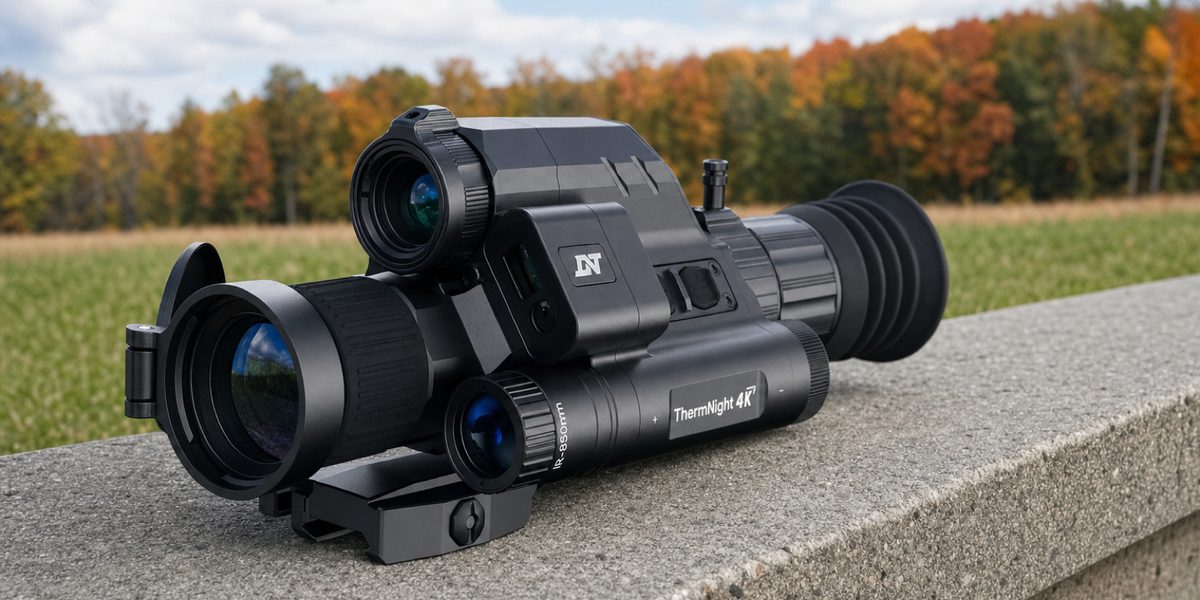
Rangeview Sports posted a Canadian arrival notice for DNT's ThermNight TNC4K219R on October 23, at C$1,799 plus tax. The listing puts thermal imaging, digital day/night vision, a laser rangefinder, and a ballistic calculator in one housing. Its most useful buying detail sits inside the name: the 4K specification belongs to the digital channel.
The thermal core has 256×192 pixels. The digital sensor has 3840×2160. The eyepiece display has 1920×1080. Those three figures describe different stages of the image, and each deserves its own place in the comparison.
DNT announced this model in August. Rangeview's fresh offer gives Canadian buyers a local price to examine against the manufacturer's documents. I haven't used the TNC4K219R; this is a look at the documented configuration and the ownership questions it raises.
Three resolutions in one housing
DNT calls the ThermNight a multispectral scope. In ordinary terms, it combines a digital day/night imaging channel and a separate thermal channel, with both available through the same eyepiece. The manufacturer's specification table separates them clearly.
The 3840×2160 CMOS sensor supplies the 4K digital image. The thermal detector uses its own 256×192 array and a 19 mm lens. A reader comparing thermal scopes should carry that second specification into the comparison, alongside lens, field of view, and the image the unit actually produces.
Then comes the 1920×1080 Micro-OLED display. This is the small screen the eye sees. Sensor resolution describes the captured image; display resolution describes the screen presenting it. Writing all three on separate lines clears up much of the confusion a short product name can create.
These numbers also leave plenty to examine in a demonstration. Detail in the digital channel, detail in the thermal channel, image processing, and the view through the eyepiece all contribute to the experience. Counting pixels alone supplies a poor substitute for seeing the relevant channel under the conditions that matter to you.
The appeal is the combination. Someone who wants both thermal and digital viewing can evaluate one integrated instrument. Someone shopping chiefly for thermal detail should keep the 256×192 detector at the centre of that evaluation.
Magnification starts in two different places
Rangeview lists 2-8× thermal magnification and 3-24× digital magnification. DNT's documents give the same ranges. The thermal view starts at 2×; the digital day/night view starts at 3×. A single magnification number would conceal a useful difference between the channels.
The upper figures describe digital magnification. Increasing them enlarges the sensor image, with the available detail depending on the source image and processing. Treating 24× as though it were the top end of a conventional optical zoom would lead the comparison in the wrong direction.
DNT gives the thermal channel a 9.2° by 6.9° field of view. That tells the buyer something about how much of a scene fits in the view. It answers a different question from how much detail a distant object will reveal. A useful seller demonstration would show the channel and magnification you expect to use, rather than leave you judging a polished promotional clip.
The same care applies to the integrated rangefinder. DNT advertises a maximum of 2,100 yards. That figure describes the ranging function. It supplies no field-test evidence here about thermal identification, image clarity at that distance, or ballistic performance.
Fit and power belong in the comparison
The TNC4K219R manual also gives the physical purchase some shape. DNT lists 65 mm of eye relief and 26 ounces of weight. Buyers need to check the actual mounting position and viewing fit along with the imaging specifications.
An electronic optic adds a power routine. DNT specifies a rechargeable flat-top 21700 battery and advertises up to five hours and 45 minutes of runtime. That is a manufacturer claim, with real conditions and settings still relevant to how long a unit runs. USB-C can supply external power; charging the battery requires an external charger. That small distinction belongs on the shopping list with the correct battery and a practical spare-battery plan.
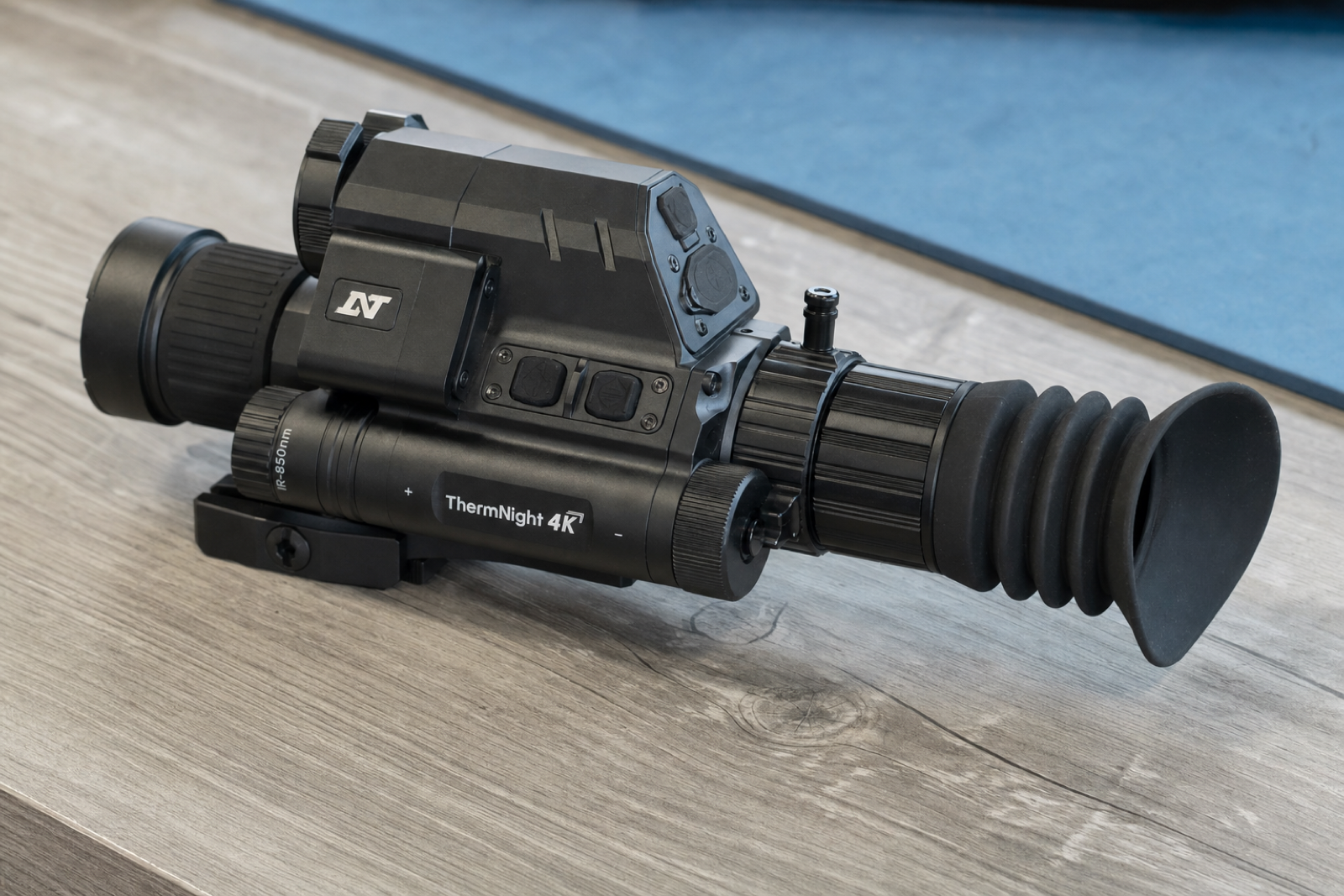
There is a tradeoff in putting several functions in one device. The integrated housing reduces the number of separate instruments to manage, while concentrating the purchase and support relationship in one optic. Physical controls, eyepiece comfort, and the way you access the different views deserve attention alongside resolution.
The Canadian package needs a Canadian answer
Rangeview's exact listing identifies TNC4K219R at C$1,799. Its inventory and price notices allow for changes, so confirm the current offer with the seller. I would also ask for the included mounts, batteries, charger, and Canadian warranty route in writing. Promotions on DNT's US store belong to that sale; the Canadian package needs its own confirmation.
I have already had a scope go through Canadian warranty service this year. That experience makes the service route part of the buying decision for me. With two imaging channels and several electronic functions sharing a housing, I want to know who receives the unit, who handles the claim, and what the seller needs from the buyer.
The ThermNight's proposition is clear enough to investigate: two imaging channels in one compact instrument, offered locally at a stated Canadian price. A convincing purchase case would connect those separate sensor figures to a useful demonstration, a comfortable fit, and a documented package. The 4K badge can start that conversation. The thermal specification and the Canadian seller's answers need to finish it.
Sources
- Rangeview Sports, October 23 Canadian arrival notice, checked October 24, 2026.
- Rangeview Sports, exact TNC4K219R listing, checked October 24, 2026.
- DNT Optics, TNC4K219R and TNC225R comparison, September 14, 2026.
- DNT Optics, TNC4K219R product and specification page, checked October 24, 2026.
- DNT Optics, ThermNight 4K user manual, linked by the exact manufacturer model page and checked October 24, 2026.
- DNT Optics, original model announcement, August 14, 2026.
Keep the range notes worth reading later.
If this piece has you thinking about range time, keep the notes useful enough to read later.
Use the Holdover Range Bench Log Card to record rifle, optic, ammunition, distance, weather, zero, group notes, correction, and next test without turning a range trip into a memory test.
Safety note: the card is a note-taking worksheet, not shooting instruction, load data, legal advice, or a substitute for range rules, official guidance, manufacturer manuals, or qualified instruction.