3% to 5% of owners, and a *60,000-firearm* question
Canada's ban factum gives two estimates that imply roughly 60,000 formerly non-restricted firearms. Their actual use remains a separate question.

Opinion
Two figures in Canada's firearms-ban factum imply that roughly 60,000 affected firearms were formerly non-restricted. That is Holdover's subtraction of two estimates in the government's written argument. Establishing how those firearms were used, or whether Cabinet assessed them reasonably, takes more evidence.
The calculation deserves attention during the Supreme Court appeals scheduled for November 9 and 10. Canada argues that the 2020 prohibition affected an estimated 3% to 5% of firearm owners. Its supporting footnote helps us examine the firearms behind that percentage.
Two numbers in the same paragraph
In paragraph 97 of its factum, Canada describes affected owners as a small minority and says many prohibited firearms had previously been restricted. That classification prevented their use for hunting.
Footnote 200 gives an estimated 150,000 individual firearms affected by the regulations, approximately 90,000 of which were restricted before May 1, 2020. Subtracting the second estimate from the first leaves roughly 60,000 outside the formerly restricted subtotal.
Those are estimates from the 2020 record, carried into Canada's argument. The footnote cites Murray Smith's affidavit and cross-examination. This article examines the factum's figures; the underlying affidavit and transcript have not been independently checked here.
The original regulatory impact analysis helps explain the classification split. Its table lists several firearm families with both restricted and non-restricted versions. It also says the number of affected non-restricted firearms was unknown, because federal registration generally did not cover that class.
Together, those sources support an approximate, inferred formerly non-restricted remainder. Counting actual hunters, identifying each firearm, or measuring its use would require different records. A footnote can save space. It still leaves the reader some work.
Hunting and sport in the statute
Section 117.15 of the Criminal Code gives the Governor in Council, meaning federal Cabinet, regulation-making authority. Subsection (2) places a restriction on prescribing prohibited or restricted items when, in Cabinet's opinion, the item is reasonable for hunting or sporting use in Canada.
Cabinet's opinion is central to the dispute. The section asks about reasonable use, and expressly includes sport alongside hunting. A target shooter's evidence belongs in that discussion too.
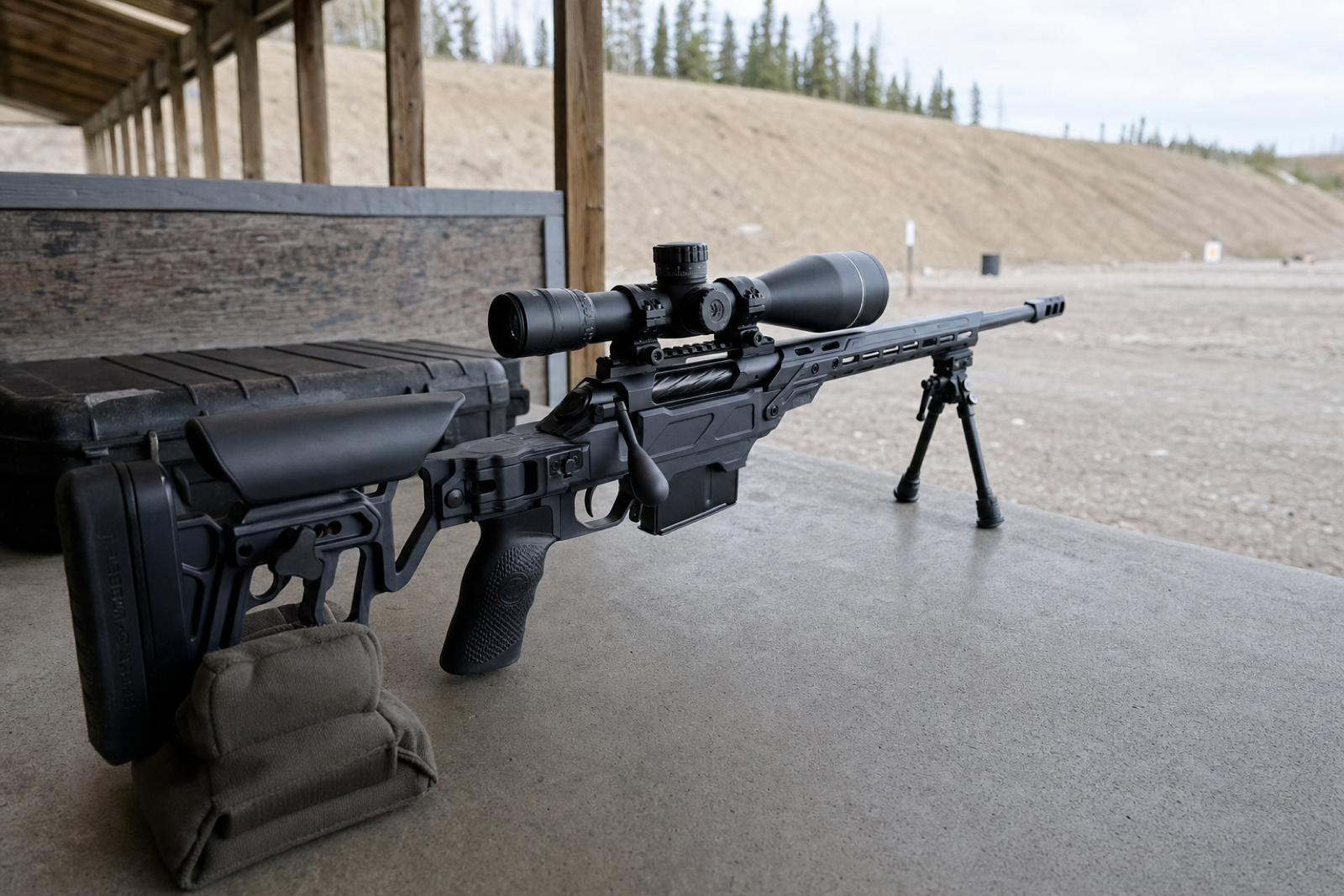
Former non-restricted status matters because it placed a firearm within a category available for lawful hunting and target shooting, subject to the applicable rules. Establishing what a particular firearm actually did requires evidence about its use. Deciding whether Cabinet's opinion satisfied Parliament's restriction adds a legal judgment.
The roughly 60,000 remainder gives that inquiry scale. It supplies no automatic answer for every firearm within it. Owners following the hearing should expect the evidence and the legal reasoning to do their respective jobs.
Canada's case in full
Canada offers a substantial answer. In paragraphs 70-72, its lawyers argue that Cabinet could balance hunting and sporting uses against public-safety risks, including the potential for mass shootings. They say subsection (2) allowed that broader judgment rather than requiring a technical assessment limited to a firearm's effectiveness at a lawful task.
On that interpretation, Cabinet could conclude that the risks outweighed continued availability for those uses. Canada also points to the thousands of other firearms available to hunters and sport shooters. Its regulations survived review in both lower courts, and it asks the Supreme Court to uphold them.
The original regulatory explanation acknowledged that some affected firearms had been used for hunting or sport. Government nevertheless judged those uses unreasonable in light of its public-safety concerns. The dispute therefore includes the weight Cabinet could give that judgment despite evidence of lawful use.
The CCFR appellants' factum presses the other side. Paragraph 47 discusses hunting and sporting uses; paragraph 53 argues that neither lower court considered actual use as a basis for reasonableness. Those are the appellants' submissions. The Supreme Court will decide the legal questions.
Owners counted, firearms assessed
The 3% to 5% estimate describes how widely the affected firearms were owned. Footnote 200 concerns individual firearms and former classifications. Actual-use evidence addresses another question again. Keeping those measures separate makes the argument easier to assess.
Canada can reasonably explain how many owners its policy reached. Owners can reasonably ask how Cabinet evaluated the firearms it prohibited and the lawful activities it displaced. A percentage offers limited detail about that second inquiry.
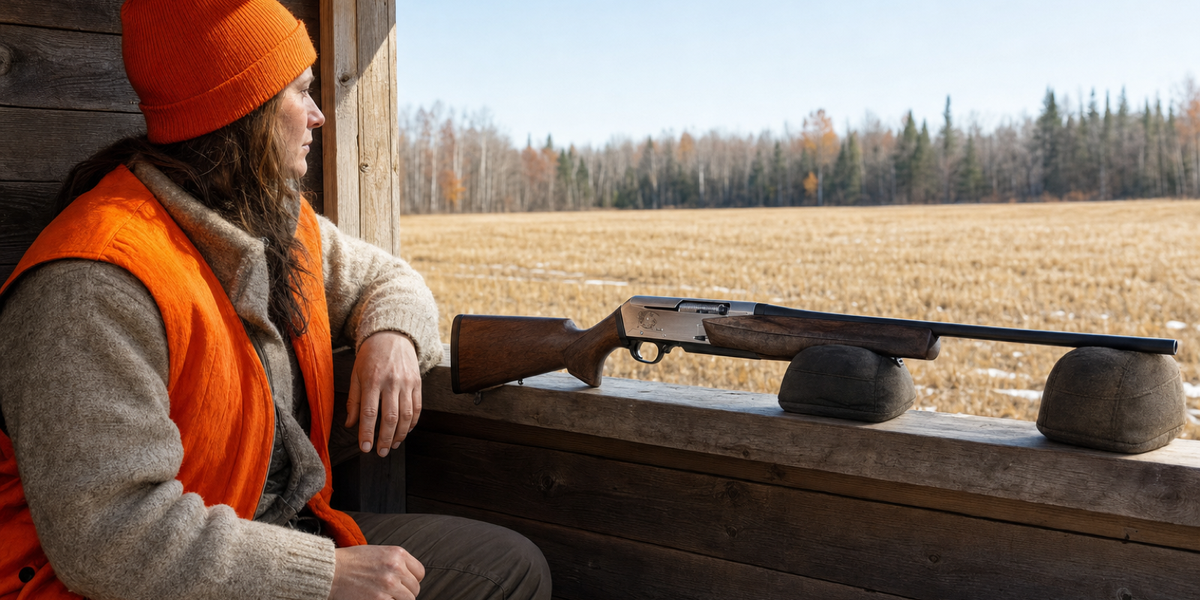
I own a Browning BAR MK3 Hunter in .300 Win Mag. Looking at a rifle, I care about the action, chambering and job it can do. That is a fairly ordinary way for an owner to assess one. The ownership share of other firearms tells me little about those practical qualities.
That observation carries no verdict on the prohibited models. It explains why I want the statutory argument to stay close to the firearms and the evidence about their use.
Opinion: a complete answer for a small minority
Holdover's view is that the hunting-and-sporting restriction should require a reasoned account of those uses. Canada's public-safety case deserves examination in its strongest form. So does the limit Parliament placed beside Cabinet's power.
The estimated remainder in footnote 200 sharpens that request. The Court can clarify what evidence and reasoning the statute required, and how much latitude Cabinet had when it weighed lawful uses against the risks it identified.
Licensed owners deserve that explanation even when their share is small. The answer should tell them how Parliament's restriction operates when their firearms are the ones under review.
Follow verified developments in the Supreme Court file and their consequences for Canadian owners. Read The Dispatch.
Sources
- Supreme Court of Canada, docket 41859 and related appeals, hearing scheduled November 9-10, 2026
- Attorney General of Canada, respondent's factum dated August 10, 2026, paragraphs 70-72, 96-99 and footnote 200
- CCFR appellants' factum, paragraphs 47-48 and 52-54
- Criminal Code, section 117.15
- Canada Gazette, SOR/2020-96 and regulatory impact analysis, May 1, 2020