From safe to wall: Canada's *firearm display* rules
Federal firearm display rules differ from storage rules. Bolt removal, ammunition access and attachment conditions deserve their own reading before a rifle goes on display.

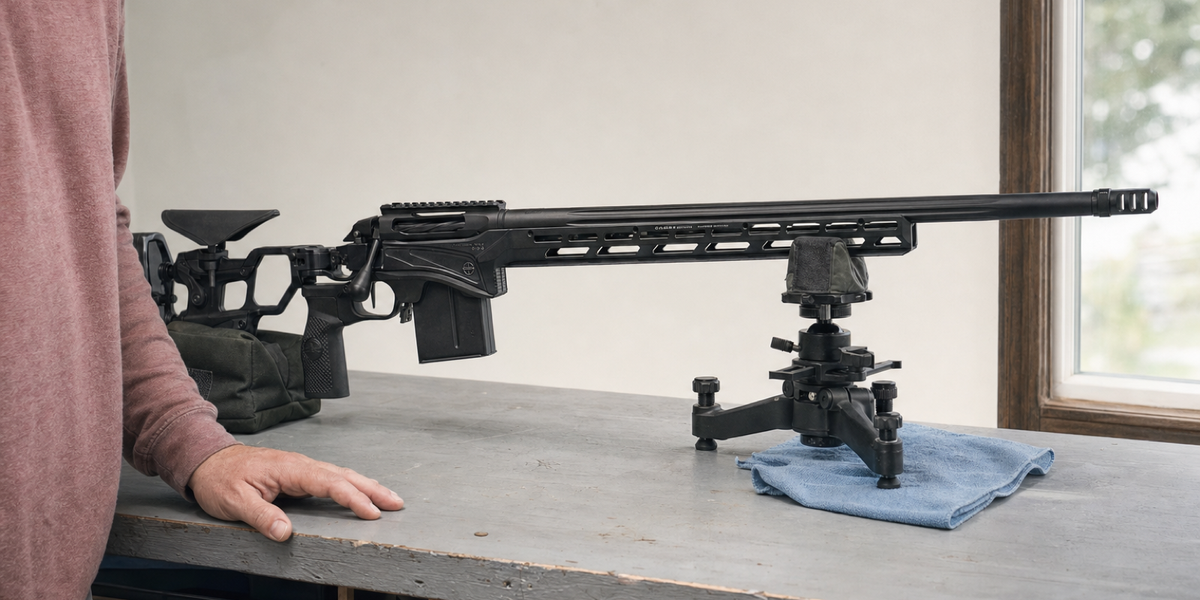
Removing the bolt appears among the federal options for storing a non-restricted rifle. Open the display section of the same regulations and that option disappears. An owner who wants a rifle on the wall has another passage to read, even when the rifle has stayed in the same house.
That small difference deserves more attention than a general instruction to keep everything unloaded and locked. Canada's Storage, Display, Transportation and Handling of Firearms by Individuals Regulations separate those activities, then divide several requirements by firearm class. Each section has its own conditions. Borrowing one convenient sentence from another section can leave part of the rule behind.
I received my RPAL in May 2025. I have some sympathy for an owner who remembers a course requirement and expects to find the same wording when looking up a related question later. The headings reward a slower read. A firearm can remain familiar while the legal question changes from keeping it stored to putting it on display.
Opinion / Canadian ownership
The missing bolt option
Under section 5, an individual storing a non-restricted firearm must keep it unloaded. The ordinary security alternatives include rendering it inoperable with a secure locking device or by removing the bolt or bolt-carrier, or storing it in a securely locked container, receptacle or room constructed so it cannot readily be broken open or into. The section also addresses access to ammunition and sets out particular exceptions.
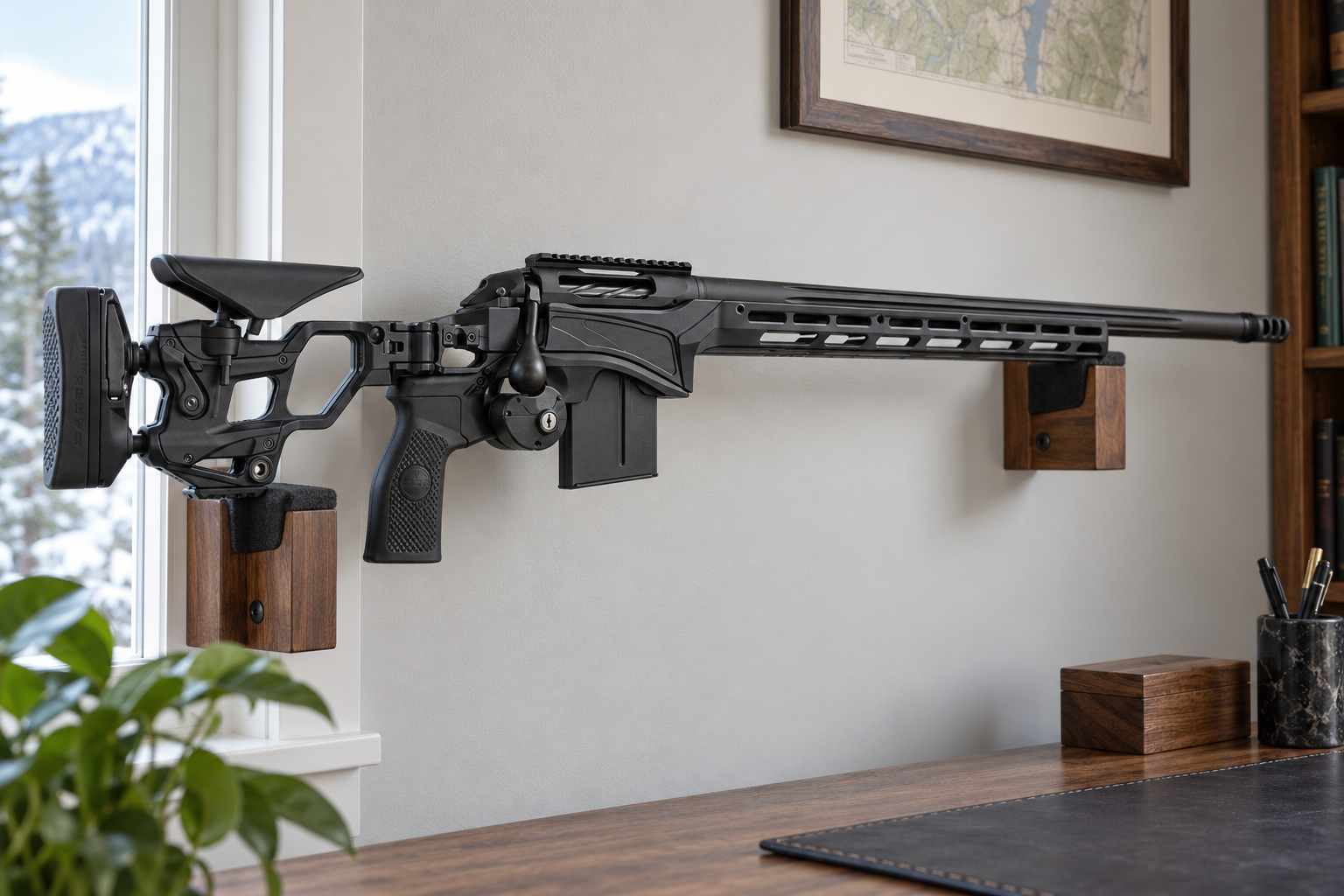
Section 8, on display, also requires the firearm to be unloaded. It gives two security routes: render it inoperable with a secure locking device, or place it in a suitably constructed, securely locked container, receptacle or room. It then requires that the firearm neither be displayed with nor readily accessible to ammunition it can discharge.
Bolt removal alone does not appear among section 8's alternatives. That is a precise textual difference an owner can check. It also shows why a storage summary cannot carry the whole answer for a proposed display.
The ammunition wording changes too. Section 5 contains a locked-container exception to its ammunition-access condition. Section 8 supplies no equivalent exception. The distinction concerns display under these regulations; our earlier ammunition-storage article examined a separate set of explosives rules. Both subjects deserve their own reading.
Restricted firearms bring another condition
For a restricted firearm displayed in a dwelling-house, section 9(1) requires it to be unloaded, made inoperable by a secure locking device, and securely attached to a non-portable structure so it cannot readily be removed. It must also be neither displayed with nor readily accessible to ammunition it can discharge.
The provision says a non-portable structure. It does not prescribe a particular wall, bracket or installation method. A magazine article cannot certify a home arrangement from a description of the hardware.
Section 9(1) also covers prohibited firearms. For an automatic firearm with a removable bolt or bolt-carrier, it adds a separate removal and locked-room requirement. Readers dealing with that class need the complete provision rather than a summary written around an ordinary rifle.
Compare this with section 6, which covers restricted-firearm storage. Its security alternatives include rendering it inoperable with a secure locking device together with a qualifying locked enclosure, or storing it in a locked vault, safe or room specifically constructed or modified for secure restricted-firearm storage. Display adds its own attachment condition. Ownership involves keeping track of what the particular section asks for.
Handling brings its own provisions
Section 15 governs loading a firearm and handling a loaded firearm. It ties those activities to places where discharge is lawful under applicable federal, provincial and municipal rules. Its wording turns on loading and loaded handling, wherever they happen.
That wording leaves other provisions to do their own work. Criminal Code section 86 addresses careless use, carrying, handling, shipping, transport and storage, including a failure to take reasonable precautions for other people's safety. Section 87 addresses pointing a firearm at another person without lawful excuse, whether loaded or unloaded.
Possession location is another question. Section 17 of the Firearms Act, expressly subject to sections 19 and 20, limits an individual's possession of a registered restricted or prohibited firearm to the recorded dwelling-house or a place authorized by a chief firearms officer. A discussion of unloading cannot settle authorization, classification or location.
The question worth putting to the CFP
The RCMP's public guidance gives the purpose of these requirements plainly: prevent accidents and deter loss or theft. That concern deserves a serious answer from owners. So does the owner's need to know which conditions apply to the activity they have in mind.
The regulations do not provide a universal clock or hands-off test that declares exactly when handling becomes storage or display. Describing an object as being on a bench settles very little without the surrounding facts. An article should leave that uncertainty visible rather than invent a rule for the moment someone puts a rifle down.
Licensed ownership works better when the explanation names the class, activity and provision. For a proposed home display, that gives the Canadian Firearms Program a concrete question to address. Where the answer depends on a disputed legal interpretation, advice from a qualified lawyer has a different role. Federal text also leaves applicable provincial and local requirements to be checked.
An owner reading section 8 beside section 5 can see the difference for themselves. That is a useful starting point for deciding what to ask before changing how a firearm is kept at home.
Sources
- Department of Justice, Storage, Display, Transportation and Handling of Firearms by Individuals Regulations, sections 5, 6, 8, 9 and 15. Retrieved September 19, 2026.
- RCMP Canadian Firearms Program, Storing, transporting and displaying firearms. Retrieved September 19, 2026.
- Department of Justice, Firearms Act, section 17. Retrieved September 19, 2026.
- Department of Justice, Criminal Code, section 86 and section 87. Retrieved September 19, 2026.
Further reading: Non-restricted transport and section 10. Holdover's tools and reference pages collect other resources for Canadian owners.
The amnesty file is still moving.
If this piece sent you back to government pages, do not wait for the next portal, Gazette, or court move to find you by accident.
The Dispatch follows Public Safety, RCMP, Canada Gazette, court, compensation, collection, and amnesty updates so the next change comes with the source that moved.
Safety note: the tracker is a worksheet for source hygiene, not legal advice or a substitute for current official guidance.