A *stolen key* and two firearms in Brampton
Peel police describe stolen house and gun-locker keys, then two stolen firearms. A practical look at key custody and Canada’s prompt-reporting duty.

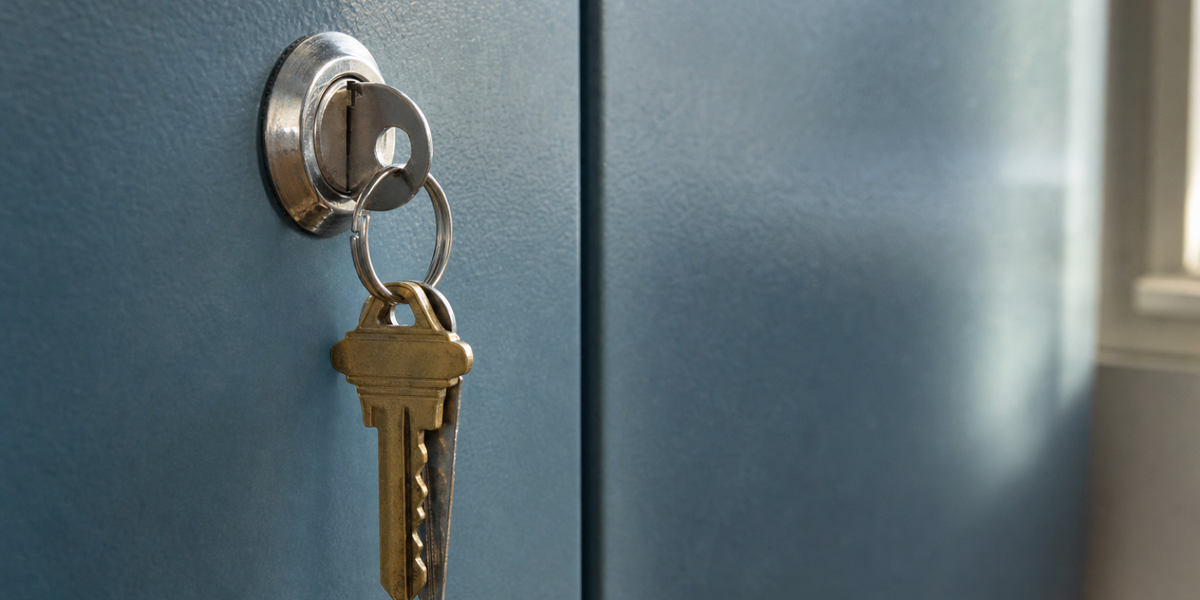
Stolen house and gun-locker keys sit at the centre of a Brampton firearm-theft allegation Peel Regional Police published on September 25. Police say a man the resident had met through an online dating platform took the keys, returned to the house, and stole two lawfully owned firearms and ammunition.
The resident contacted police on September 1, the day of the alleged theft. Officers arrested a suspect in Mississauga on September 8. By the time of the police release, investigators reported recovering both firearms and ammunition. The charges remain allegations.
For an owner reading this over coffee, the useful questions concern access and reporting. A locker key deserves the same attention as the lock it operates. And when a firearm disappears, Canadian law requires a prompt report.
Leave the unknowns with the investigation
Peel describes the firearms as lawfully owned. Its release supplies too little detail to assess the storage arrangement: no firearm classifications, locking configuration, or account of where the keys were kept. It also leaves the precise recovery date unstated.
Those limits matter. A police news release cannot support an armchair inspection of someone's home. The resident is the reported victim, and the person accused of stealing her property must answer the allegations through the courts. Owners can take something useful from the account while leaving that distinction intact.
I spend enough time thinking about rifle and handloading details to recognize the imbalance here. Tiny adjustments can hold my attention for an evening. A household routine gets much less scrutiny once it feels settled. There is a practical ownership lesson in giving the ordinary access arrangements a deliberate second look.
That means reviewing your own arrangements, with no need to guess the victim’s.
Read the storage rule accurately
The federal Storage, Display, Transportation and Handling of Firearms by Individuals Regulations set different storage requirements for different classes of firearm.
For a non-restricted firearm, section 5 requires it to be unloaded. The normal storage routes then include rendering it inoperable with a secure locking device, removing its bolt or bolt carrier, or placing it in a qualifying locked container, receptacle, or room. That enclosure must resist being readily broken open or into. The firearm must also be stored so ammunition is not readily accessible to it, unless the ammunition is in a qualifying locked container or receptacle. That locked ammunition can be together with the firearm or stored separately.
Sections 6 and 7 address restricted and prohibited firearms, with their own combinations and exceptions. Owners need the provision that applies to their firearm; a casual summary of the non-restricted rule covers only that class.
The regulations give considerable attention to physical storage. Section 86 of the Criminal Code also prohibits careless storage and storage without reasonable precautions for other people's safety. The publicly available facts leave its application to this particular case unresolved.
Give the key its own consideration
A key can extend access beyond the person who owns the cabinet. That deserves thought even when the cabinet itself meets the relevant requirements.
My practical preference would be to keep a storage key separate from the everyday ring that goes out with the house and car keys. The benefit is modest and specific: losing or handing over the everyday ring would leave one less access route attached to it. A separate key still needs a secure place and controlled access.
A missing key also warrants attention while you establish what happened. Check whether any firearms or other items are missing, secure access, and obtain appropriate help with a compromised lock. The immediate task is to establish who may now have access.
A keypad or combination changes the form of the credential; anyone who knows the code may still have access. A different lock alone cannot settle the question. Think about who can obtain the key or code and what you would do if that changed.
These practical ownership choices sit alongside the applicable storage rules. The Peel account is a reason to consider them without inventing a shopping list or declaring one lock type foolproof.
Report a firearm loss promptly
Section 105 of the Criminal Code requires a person who loses a firearm, or has one stolen from their possession, to report the loss "with reasonable despatch" to a peace officer, firearms officer, or chief firearms officer. The provision also covers a lost or stolen licence, authorization, or registration certificate, among other listed items.
The wording requires prompt action in the circumstances. It sets no fixed number of hours. A missing ordinary cabinet key, by itself, is outside the items listed in that section; a missing firearm brings the reporting duty into play.
In Brampton, police received the report the same day. The later arrest and recovery are encouraging. The release provides no basis for calculating how much the reporting speed contributed to either outcome.
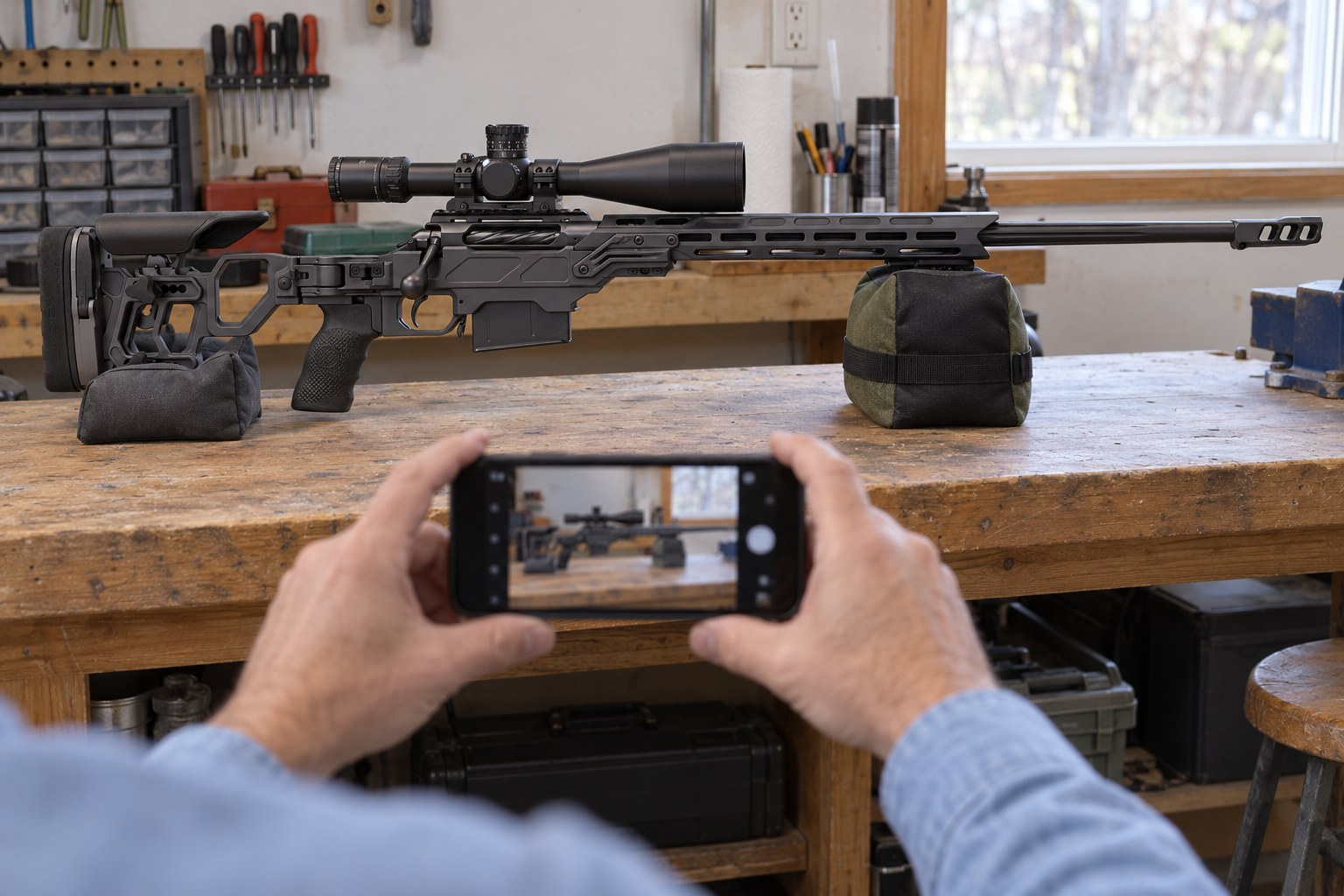
An owner's identification record is still useful preparation. Keep the make, model, calibre, and serial number accurate, with photographs where helpful, and retain a secure copy separately from the firearms. An accurate identification record gives an owner useful information to supply after a loss.
A report can begin with the facts you have. Tell the receiving officer what is known and what you are still checking, then supply further details as they become available. The statutory duty to report promptly deserves priority over perfecting a private inventory.
Our guides to display at home and ammunition storage address neighbouring questions. Here, the useful work is close at hand: review access, keep identification records usable, and be ready to report a loss promptly. Those are concrete things an owner can control while the police and courts do their work.
Sources
- Peel Regional Police, Peel Police Seek Additional Victims After Recovering Firearms in Online Dating Scheme, September 25, 2026; checked September 27.
- Department of Justice, Storage, Display, Transportation and Handling of Firearms by Individuals Regulations, sections 5-7, current consolidation checked September 27, 2026.
- Department of Justice, Criminal Code section 86 and section 105, current consolidation checked September 27, 2026.
Keep the first PAL steps in order.
If this piece has you mapping the licence process, keep the official steps and follow-up notes together.
Use the Holdover PAL/RPAL First-Steps Checklist to keep the official forms, course booking, references, photo, fees, and follow-up notes in one place while you work through the process.
Safety note: the checklist is an orientation aid, not legal advice or a substitute for current RCMP/CFP/CFO guidance or instructor direction.