PLAYFIGHT's *deactivated guns*: the history owners need
Toronto police say some PLAYFIGHT guns had previously been deactivated. The earlier work remains unidentified. An owner perspective on current RCMP guidance and the history worth keeping.

Opinion
Toronto police say some firearms trafficked in Project PLAYFIGHT had previously been deactivated, then modified to fire again. That detail in the force's September 29 announcement deserves a closer look from Canadian owners who encounter deactivation as an official way to keep a firearm's physical form after giving up its use.
The useful next question concerns the earlier work: when it happened, which standard applied and who confirmed the result. Those answers would help owners understand how the case relates to the process the RCMP describes today.
I've bought most of my firearms online. Reading a description and examining what arrives are familiar parts of ownership. With a claim as consequential as deactivation, I would want a record tied to the particular object and a qualified person who could explain it. A reassuring adjective in an advertisement would leave me asking for more.
The earlier work remains unidentified
TPS reports three arrests and 15 seized firearms from an investigation that began in February. Officers executed search warrants in Toronto and Markham on July 29. September 29 is the announcement date. The allegations remain unproven, and police say the investigation continues.
The release does not identify the dates, provider or standard of the earlier deactivations, or establish whether the Canadian Firearms Registry had accepted them. That leaves the connection to Canada's current recognition process unresolved.
I want investigators to establish that history. Owners considering deactivation, and families deciding what to do with a firearm in an estate, have a practical interest in the answer. So do the businesses asked to perform and document the work.
The RCMP names an authorized gunsmith
The RCMP's current business guidance describes a specific basis for Registry recognition. A gunsmith must confirm that the item no longer meets the Criminal Code's definition of a firearm. That gunsmith must work for a business holding a valid firearms business licence and authorization from the Canadian Firearms Program to perform deactivations.
The RCMP also publishes a business directory. It says the list is incomplete and directs readers to their provincial or territorial Chief Firearms Officer for nearby authorized businesses.
For an owner, that supplies a sensible starting point: establish the business's authorization, ask how the confirmation will be documented, and understand what record will remain attached to the item. Those are questions to settle with the responsible business and the Canadian Firearms Program. The physical assessment belongs with qualified people.
I would keep that correspondence with the other records for the firearm. A family member dealing with it years later should be able to find who did the work and what they confirmed. Expecting someone to reconstruct that history from an old listing strikes me as a poor inheritance plan.
Families already face this choice
Deactivation appears in the RCMP's guidance for estates. Where there is no eligible beneficiary, the page lists permanent deactivation by an approved gunsmith among the available disposition routes. It also identifies options involving eligible recipients, authorized businesses or museums, export, and disposal through police or firearms officers.
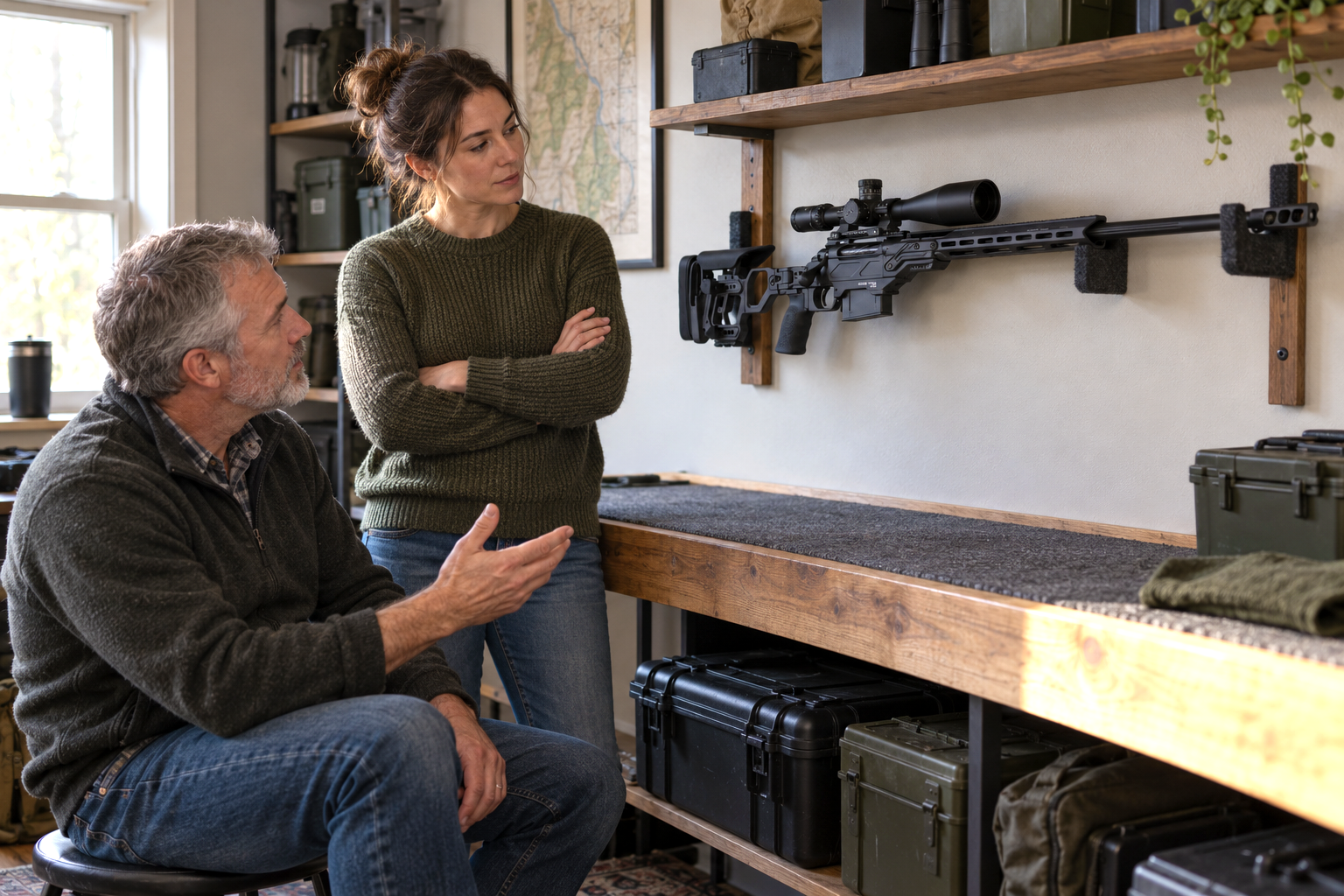
Those choices carry different consequences for a family. A person might care about keeping the object because it belonged to someone they knew. Another might prefer a lawful transfer that preserves its use. Understanding the paperwork should form part of that decision while someone familiar with the firearm can still help.
For existing handgun owners, the RCMP's transfer page likewise includes permanent and irreversible deactivation among its listed disposition options. That wording makes the quality of the confirmation particularly important to the person relying on it.
Public Safety Canada gives programme participants a more specific documentation task. Its compensation-programme deactivation page requires owners to wait for their notification and accept the funding agreement before proceeding for compensation. It then calls for deactivation certificates and notice forms, along with receipts, through the programme portal.
Those requirements concern that programme. Nothing in the TPS release connects PLAYFIGHT to it. The guidance is useful here because it shows the kinds of records authorities expect when they offer deactivation as a disposition route.
A useful follow-up would identify the failure
The public-safety concern deserves a direct answer. An object represented as unable to fire, later supplied as a working firearm, presents an obvious reason for investigators to examine its history. The public should expect authorities to pursue that question with care.
Several explanations would lead to different responses. Evidence of work performed outside the required process would raise questions about verification and enforcement. Evidence that an authorized process had been followed would justify examining that process and what happened afterwards. The missing history determines which questions become relevant. Those possibilities require investigation before anyone could apply them to PLAYFIGHT.
Licensed owners have an interest in sound verification. They also deserve protection from broad conclusions drawn before officials establish which process a particular object went through. A business following current requirements should be judged on evidence about its work.
Police will have limits on what they can disclose during an investigation. A later public account can still explain the applicable standard and whether the earlier confirmation was recognized, when the evidence permits. It can do that without publishing a method for restoring a firearm or prejudging an accused person's case.
For now, I would ask for the deactivation history and keep the answer with the object. For the next PLAYFIGHT update, I want authorities to explain what they established about that earlier work and where, if anywhere, the recognized process failed.
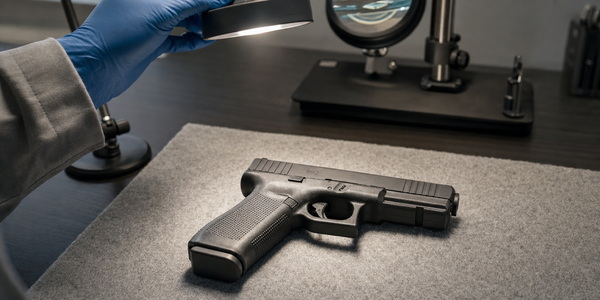
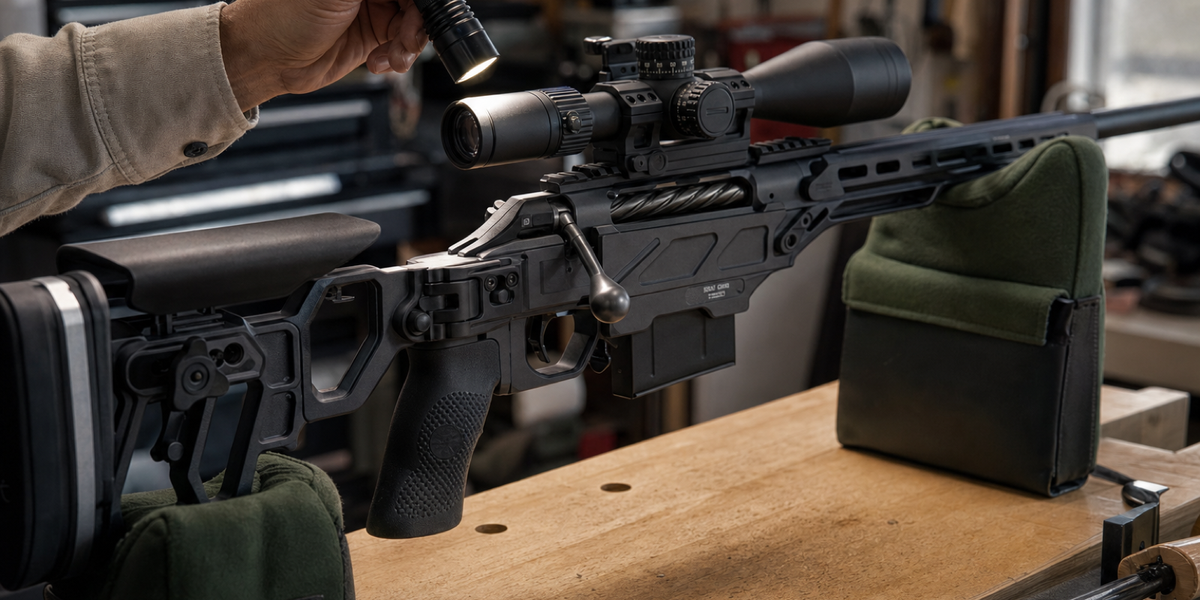
Feature photograph: generated illustration of an ordinary gunsmith inspection. The pictured rifle is not identified as deactivated, reactivated or connected to PLAYFIGHT.
Sources
- Toronto Police Service, Project PLAYFIGHT firearms-trafficking announcement, September 29, 2026, 10:43 AM.
- RCMP, Businesses authorized to perform firearm deactivations, modified June 9, 2026.
- RCMP, Transfer of firearms from estates, modified February 7, 2025.
- RCMP, Buying and selling (transferring) firearms, modified November 5, 2025.
- Public Safety Canada, Deactivate your prohibited firearms, accessed September 30, 2026.
The amnesty file is still moving.
If this piece sent you back to government pages, do not wait for the next portal, Gazette, or court move to find you by accident.
The Dispatch follows Public Safety, RCMP, Canada Gazette, court, compensation, collection, and amnesty updates so the next change comes with the source that moved.
Safety note: the tracker is a worksheet for source hygiene, not legal advice or a substitute for current official guidance.