Reloading starts with a *press*, then eats the bench
Reloading starts with a press, then quietly eats the bench. The real lesson is not cheaper ammo. It is learning how many small variables live between brass and trigger pull.

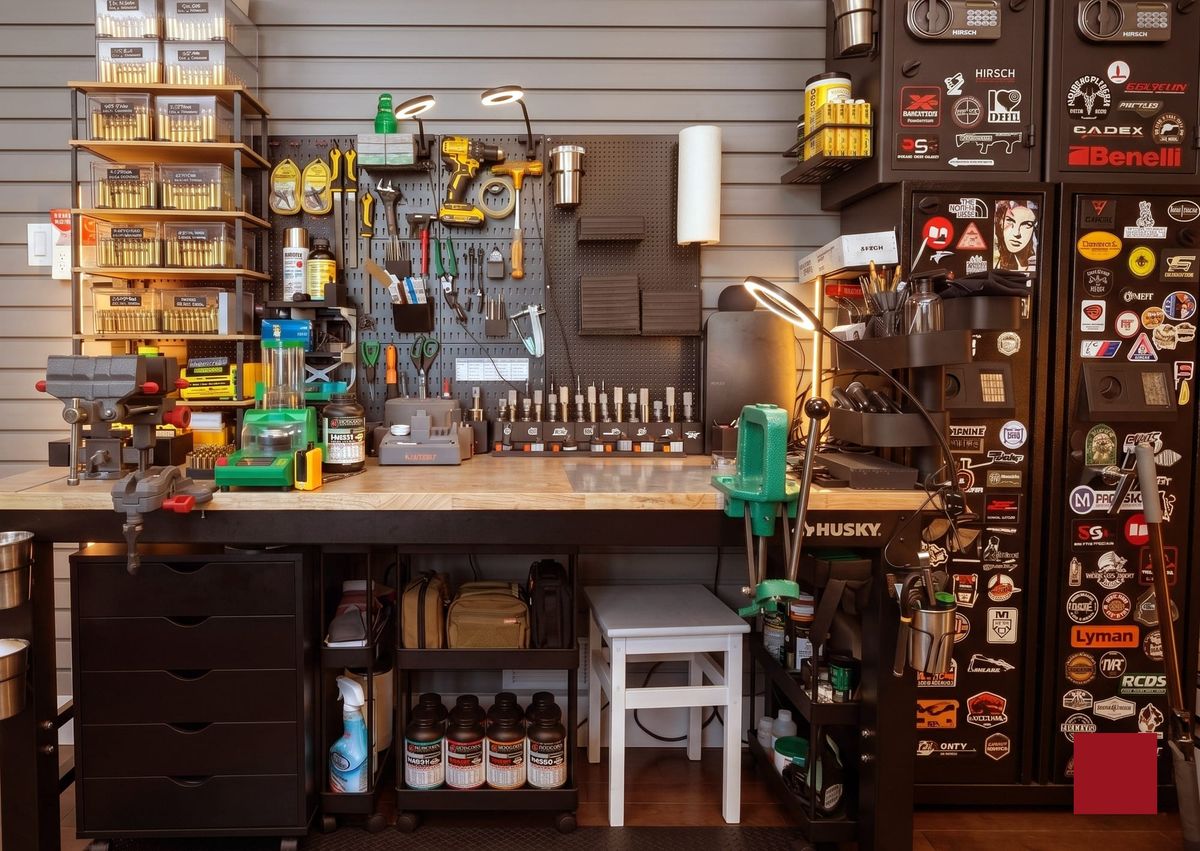
Opinion. My reloading bench has a centre of gravity, and it is absolutely the press. That would be more convenient if the press were also where the work mostly happened.
It is not.
The press sits off to the right. Trimming, chamfering, planning, staging, loading blocks, brass sorting, and doubt happen on the left. The workflow moves left to right, then back left again, as if I designed the bench for precision ammunition and light cardio.
That is the first thing handloading taught me after the starter-kit illusion wore off: the press is the visible object, not the discipline.
The press is the centre, which is part of the problem
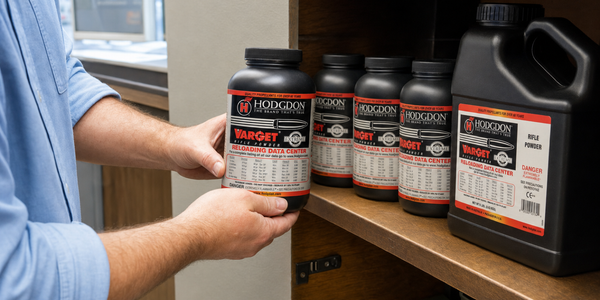
At the store, reloading looks mercifully simple. There is a press. There are dies. There are bullets, powder, primers, and brass. The starter kit suggests that the whole project is mostly a handle, some accessories, and the confidence of a man who has not yet stuck a case.
The RCBS Rebel on my bench is a serious single-stage press, not a decorative handle. RCBS describes it as an iron-and-steel press built for pistol and rifle cartridges from magnums down to .17 calibre, with a larger loading window and compound leverage. The manual also tells you to mount it to a sturdy workbench with two 3/8-inch bolts.
That sounds like a footnote until the bench loses.
My first bench was modest. I bolted the press into the top and got on with it. Then magnum brass introduced itself properly, the resizing fight got unreasonable, and the wood broke. There are many ways to learn that a reloading press is a force machine. Having your bench surrender is one of the more direct ones.
So I bought a longer bench, looked at the extra room, and thought the doomed sentence: I'll never need this much space.
It lasted about a day or two.
The in-between is the lesson
Before I started, I knew the broad idea. Brass could be reused. Bullets, powder, and primers had to be bought. A press seated things. Somewhere in there, ammunition happened.
The problem was the in-between.
Sizing. Lubing. Trimming. Chamfering. Deburring. Cleaning. Drying. Sorting. Labelling. Checking. Questioning die height. Questioning mandrel height. The list multiplies until the bench becomes less a surface than a small industrial neighbourhood with zoning issues.
The supporting tools are not imaginary fluff. RCBS's ChargeMaster Link brings electronic powder dispensing to the bench. Lyman and Frankford Arsenal tools cover the less glamorous case work: trimming, deburring, cleaning, drying, and preparing brass before a cartridge ever looks finished.
None of that makes this a review of those tools. The point is smaller and more annoying: the press was never the whole bench. It was the invitation.
The satisfying part is real
One of my favourite moments is taking brass out after wet tumbling and drying. I use a food dehydrator for that stage, which makes handloading sound like either precision craft or an oddly armed cooking show. The cases come out clean, shiny, dry, and textured in a way that makes the whole bench briefly feel under control.
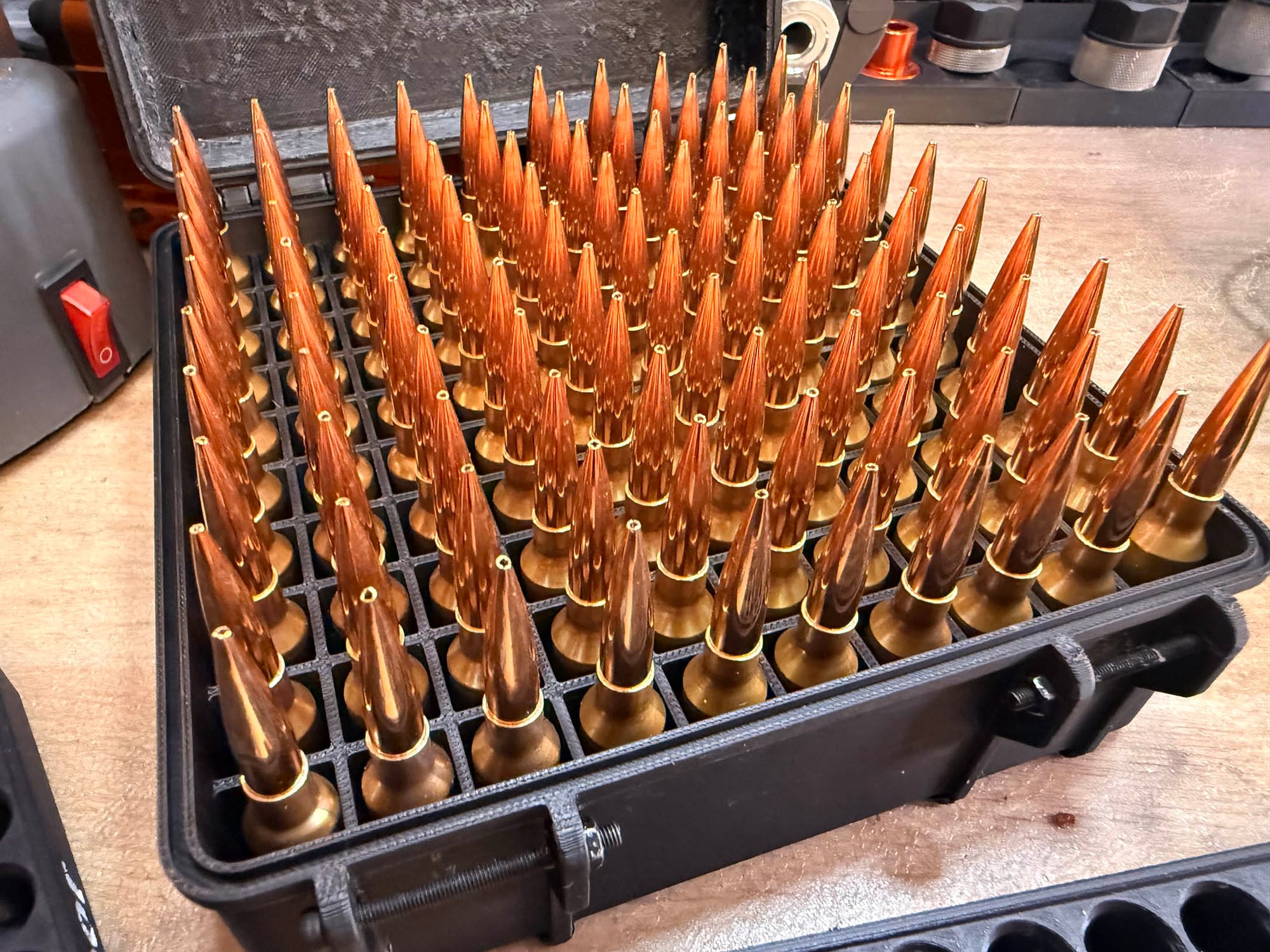
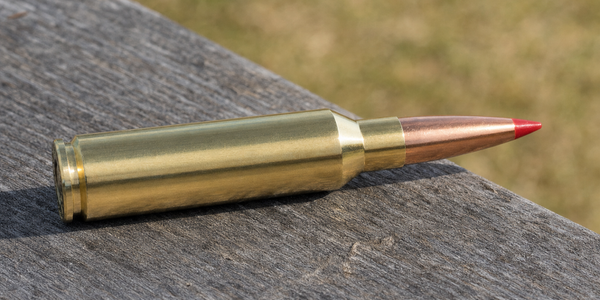
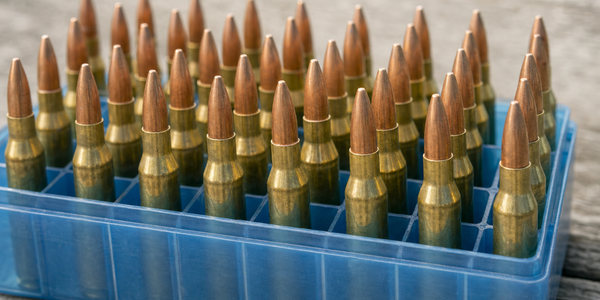
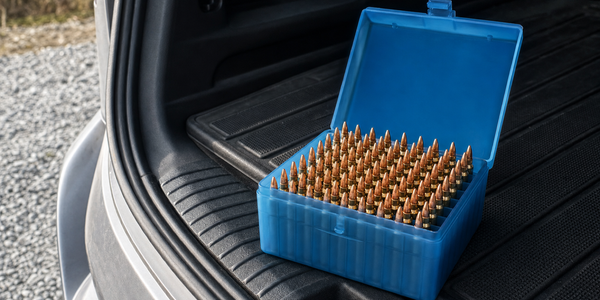
When the final round drops into a box of 50 or 100, the whole spread sits there in rows: same height, same shine, same promise. It is deeply satisfying. It also seduces me into forgetting how much time, money, brass prep, lube, anxiety, and procedural housekeeping went into making that little formation appear.
That is one of the jokes reloaders tell themselves about saving money. Reloading can reduce the per-round pain if you already own the equipment and can spend the time. It can also simply make you shoot more. The ammunition feels like it became yours again, even though it has been charging rent in your evening for hours.
The process has to be labelled
I still slow down at every step. That is not a failure. It is probably the only reason the process has not become performance art with primers.
I have started printing little placards for reloading blocks so each batch says where it is in the process. Sized. Needs trimming. Clean. Ready to load. The block gets marked because brass can look innocent while hiding a dozen ways to waste an afternoon.
The system exists because the mistakes are not always dramatic. Sometimes they are simply stupid in expensive clothing.
Recently, I ran lubed brass through a dry tumbler to remove lube, then realized the media was contaminated from dirty media I had used months earlier. The shortcut became the whole job: tarnish, lube, and hand-polishing every piece the tumbler was supposed to rescue.
This is the part factory ammunition hides. Not because factory match ammunition is bad. Good factory match ammunition is wonderful. It gets you to the trigger pull without an emotional relationship with case mouths.
But the bench teaches variables by making them physical.
Seating pressure is the clearest example. I can standardize the brass brand, lot, neck lube, mandrel size, and case length, then still feel one bullet seat smoothly and the next one require more force. That does not automatically prove the load is bad. It turns the cartridge from an abstract object in a box into a chain of decisions with feedback.
If the group later opens up, there is a question to ask. Was it my trigger press, the load, neck tension, brass, or some miserable little interaction between them? Factory ammunition can shoot beautifully, but it does not make you listen to the cartridge being built.
The bench grows because the questions do
Every refinement creates a home problem.
A better process needs a tool. The tool needs a place. The place needs a shelf. The shelf needs access. The access creates a drawer. The drawer creates a system. Then the system becomes the thing I trip over while looking for the shell holder I put somewhere obvious.
My bench has expanded upward and downward: shelves, pegboards, movable stacked shelving, under-cabinet drawers, sliding shelves, and whatever other architecture is required when brass preparation starts behaving like a tenant with rights.
That is why the bench is never big enough. Not because it is too small in inches. Because the process keeps gaining resolution.
A new precision shooter with the time and money to reload should probably do it, not because it is a shortcut, but because it is the opposite. Buying good factory match ammo gets you to the shot faster. Loading your own makes you understand more of what the shot contains before it leaves the case.
That understanding is not always elegant. Sometimes it is shiny brass in a dehydrator. Sometimes it is a broken bench. Sometimes it is hand-polishing cases because the tumbler betrayed you.
But the lesson sticks.
A press will fit on a bench. A process wants the whole room.
Sources
- RCBS, "Rebel Reloading Press" instruction manual: https://rcbs.com/wp-content/uploads/2024/09/9353_RebelReloadingPress_1LIM_web.pdf
- RCBS, "ChargeMaster Link Electronic Powder Dispenser": https://shop.rcbs.com/chargemaster-link-electronic-powder-dispenser/
- Lyman, "Brass Smith Case Trim Xpress": https://www.lymanproducts.com/catalog/product/view/_ignore_category/1/id/2615/s/brass-smith-case-trim-xpresstm/
- Lyman, "Case Prep Xpress": https://www.lymanproducts.com/catalog/product/view/_ignore_category/1/id/78/s/case-prep-center-xpress/
- Frankford Arsenal, "Platinum Series Rotary Tumbler 7L": https://www.frankfordarsenal.com/case-cleaning/case-cleaning-media/platinum-series-rotary-tumbler-7l/909544.html
- Frankford Arsenal, "Platinum Series Case Trim and Prep Center": https://www.frankfordarsenal.com/case-preparation/case-trimming/platinum-series-case-trim-and-prep-center/903156.html
- Hirsch Precision, "21st Century Expander Die Body - Extra Long": https://www.hirschprecision.com/index.php?main_page=product_info&products_id=4438
Set up the bench before the first mistake.
If this page has you pricing a first reloading bench, slow the buying part down and make the safety/process part visible.
Use the Holdover Reloading Bench Setup Checklist to track manuals, press, dies, scale, calipers, case prep, labels, storage, bench layout, safety routine, and what still needs an experienced second look.
Safety note: the checklist does not provide load data, recommend charge weights, teach reloading, or replace current published manuals, manufacturer instructions, qualified instruction, or applicable law.