Coming home with *your own rifle*
For Canadian residents taking an existing rifle abroad, CBSA offers a free record of prior possession. Arrange it before departure, alongside the trip requirements.

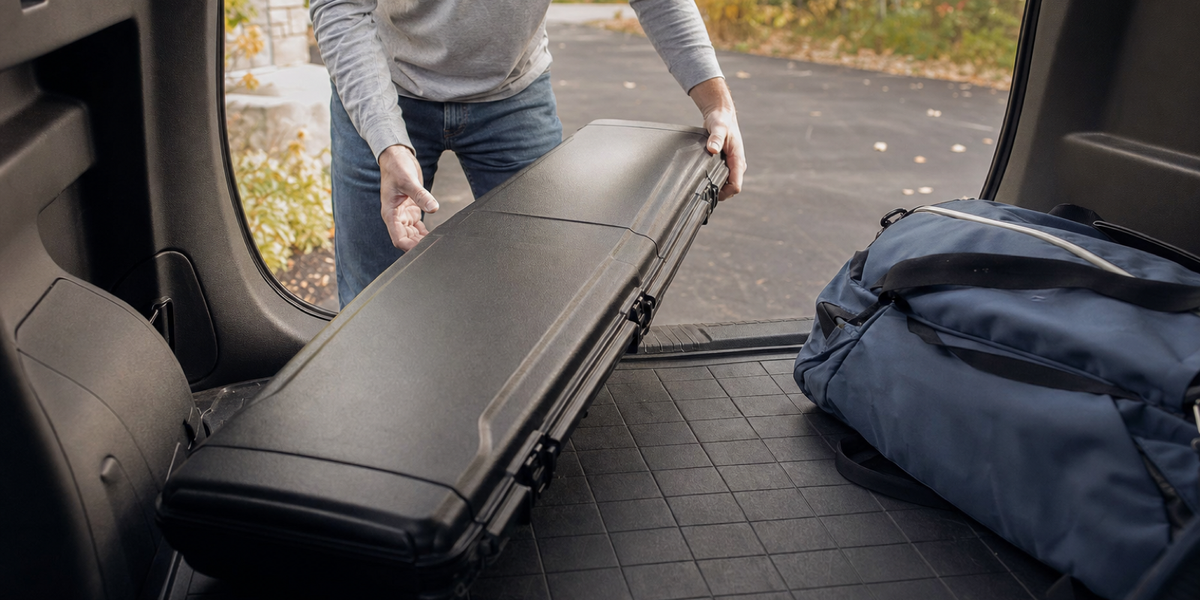
CBSA's October 6 Thanksgiving travel reminder sends anyone travelling with firearms to its border rules. For a Canadian owner planning a sporting trip, one useful paragraph sits beneath the heading for firearms previously exported from Canada: arrange a record of the rifle before leaving.
The agency can document it on BSF407, Identification of Articles for Temporary Exportation. That gives a returning owner evidence that the firearm was already in Canada before the trip. The service is optional and free. It sits alongside the licence and other requirements that determine whether the firearm can come back.
This is longstanding guidance, brought into focus by a new holiday reminder. The reader here is a Canadian resident taking an already-owned, non-restricted rifle abroad and returning with it. Visitors, newly acquired firearms and other classifications follow their own requirements.
The rifle that left Canada
CBSA's firearms memorandum deals with this situation directly. Paragraph 77 says a resident may re-import a non-restricted firearm with a valid Possession and Acquisition Licence. The accompanying note recommends BSF407 as a way to establish that the firearm was taken out of Canada rather than bought during the trip.
The agency also allows the record for a firearm bought abroad earlier and lawfully imported into Canada. The question concerns its history before this journey. Canadian manufacture is irrelevant to that distinction.
An owner who bought a rifle here and an owner who properly imported one years ago can therefore face the same practical task: connecting the item in the case to the item they already possessed. That is a useful question to settle before travel arrangements absorb all the attention.
I would want that history sorted while I was still at home. Range preparation already rewards remembering small things before they become inconvenient. For a foreign trip, I would give the return record the same attention as the case and itinerary. There is little appeal in reconstructing a purchase history from the driver's seat after a long drive.
A record made before departure
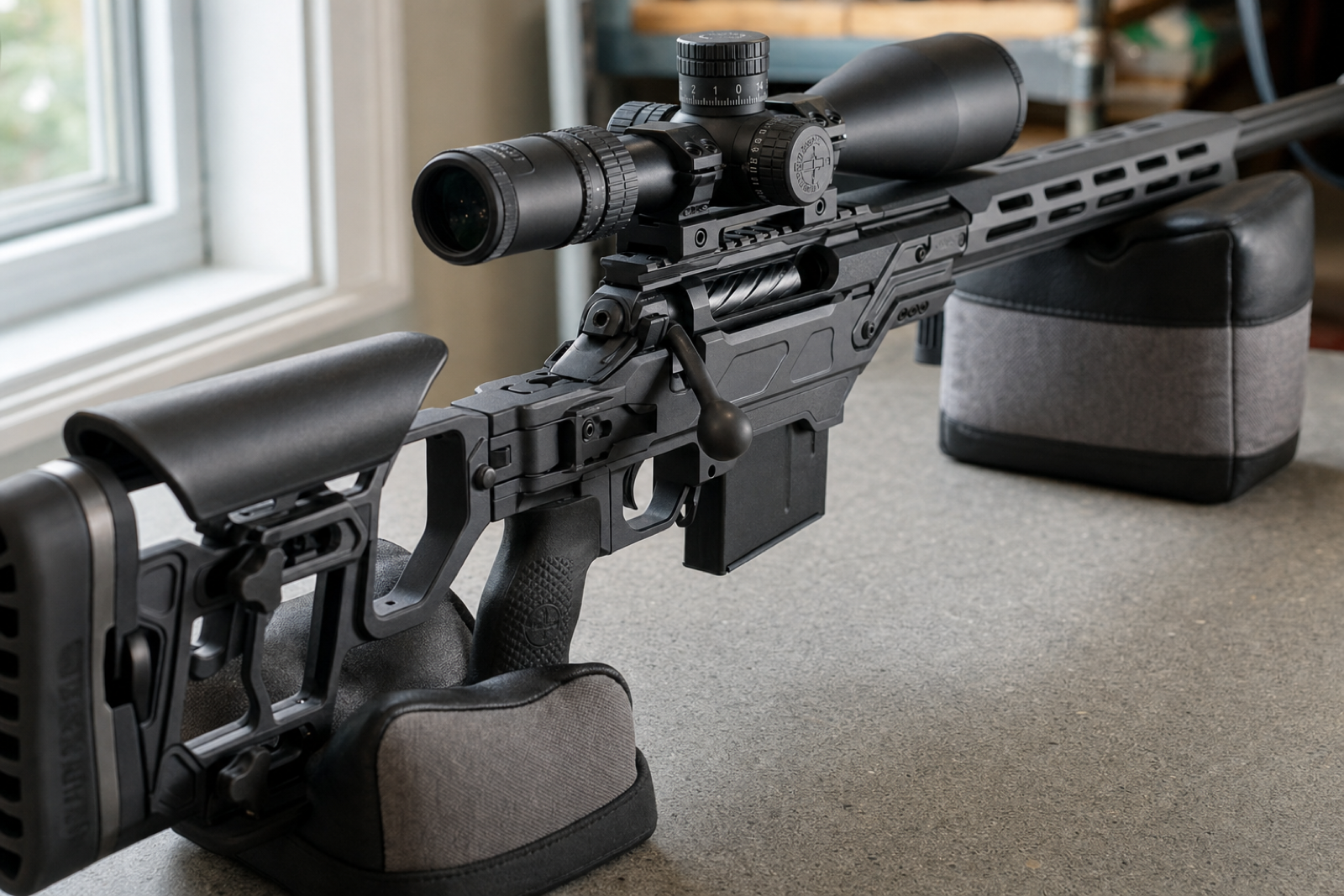
CBSA's BSF407 memorandum explains the process. Before departure, the owner presents the goods at a CBSA office. An officer identifies them on a wallet-sized card, and the owner signs a declaration concerning their Canadian origin or lawful importation.
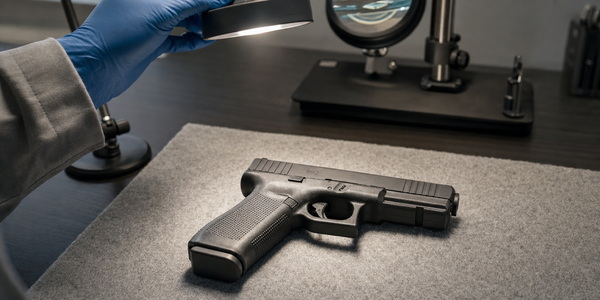
Identification has to distinguish the individual object. A serial number or another distinctive permanent marking does that; a make and model alone falls short. This is why the service involves presenting the goods, rather than simply writing down a product name at home.
The memorandum says sales receipts or other proof of lawful purchase or importation are not required for issuing BSF407. That point should spare an owner an unnecessary hunt for an ancient receipt. It still leaves the owner responsible for making a truthful declaration.
The card has no expiry date. CBSA's guide for returning residents adds a useful qualification: keep the information current and legible. Show the card on return if an officer requests proof. An old card with unreadable details has lost much of its practical value.
Permission still has its own requirements
CBSA's public firearms requirements page separates new acquisitions from re-imports. Its resident table requires a PAL for returning non-restricted firearms, with no firearm registration certificate, authorization to transport or import permit listed for that category.
BSF407 supports prior possession. The firearm's actual classification determines which row applies; a customs record cannot put a restricted or prohibited firearm in the non-restricted category.
Owners must declare firearms on arrival. An officer can check documents and compare the firearm with their descriptions. Advance documentation guarantees neither a waived examination nor admission when requirements are unmet.
The outbound journey needs separate planning. CBSA directs travellers to foreign authorities for purchase, possession, transport and export requirements. For a U.S. trip, check the applicable permission before making bookings. This article covers the Canadian return record; a complete itinerary needs its own checks.
An unchanged rifle and a new purchase
The straightforward case is returning with unchanged equipment. The temporary-export memorandum excludes goods improved or increased in value abroad, combined with other articles, or transferred to another owner. For repairs or alterations, check the separate Canadian Goods Abroad treatment.
A rifle or optic acquired during the visit also has a different history. The returning-resident guide requires travellers to account for purchases made abroad, with personal exemptions and applicable duties or taxes considered on their own terms. Keep those purchases distinct from the possessions you took with you. An existing card should continue to describe the actual items it records.
CBSA's holiday advice understandably favours leaving firearms at home. Owners travelling for lawful sport also need a clear account of the route available to them. The agency supplies that detail in its supporting pages, including a free service that can remove one avoidable uncertainty.
For the owner planning a trip, the useful next step happens before departure: check the current requirements for the actual firearm and destination, then arrange any prior-possession documentation with CBSA. The rifle's return deserves a place in the planning alongside the journey out.
Sources
- CBSA, Thanksgiving travel reminder, October 6, 2026.
- CBSA, Firearms and weapons: Canadian border requirements, resident tables and previously exported firearms section.
- CBSA, Memorandum D19-13-2, paragraph 77 and associated note.
- CBSA, Memorandum D2-6-5, temporary-export identification, November 13, 2015.
- CBSA, Guide for residents returning to Canada, valuables, declarations and goods acquired abroad.
All sources checked October 7, 2026. The Thanksgiving notice provides the current reporting occasion; the cited BSF407 and resident requirements are existing guidance.
The amnesty file is still moving.
If this piece sent you back to government pages, do not wait for the next portal, Gazette, or court move to find you by accident.
The Dispatch follows Public Safety, RCMP, Canada Gazette, court, compensation, collection, and amnesty updates so the next change comes with the source that moved.
Safety note: the tracker is a worksheet for source hygiene, not legal advice or a substitute for current official guidance.