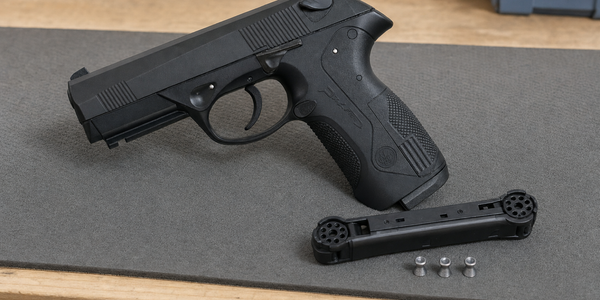
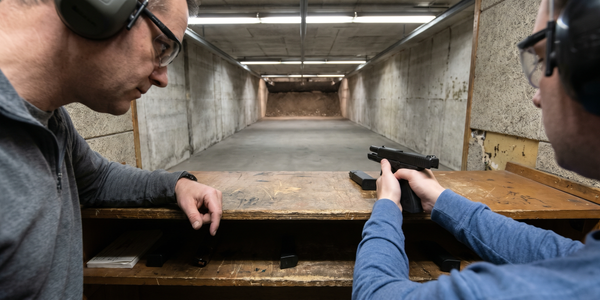
In Saskatchewan, a detached magazine can leave a rifle *loaded*
Saskatchewan's vehicle rule counts a rifle as loaded when it touches a magazine containing cartridges. The hinge clause matters for owners of rifles like my BAR.

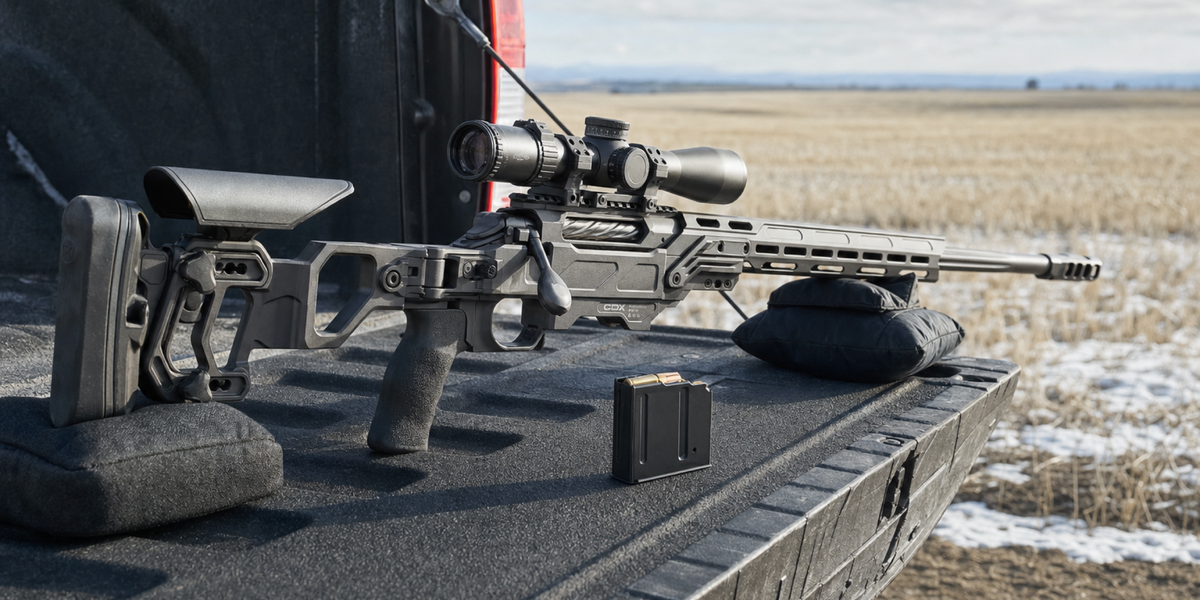
A loaded magazine can sit outside a rifle's magazine well and still make the firearm count as loaded in a Saskatchewan truck. Physical contact with the rifle is enough under the province's wildlife regulations. Owners packing for deer season have a provincial detail to check alongside the familiar federal transport rule.
The timing comes from Saskatchewan's November 6 enforcement release. Four Manitoba residents pleaded guilty on October 1 to using a searchlight to hunt wildlife in the Porcupine Provincial Forest. Each received a $1,400 fine and a three-year hunting licence suspension. Three seized firearms were forfeited. A separate charge of carrying a loaded firearm in or on a vehicle remains before the courts. The release gives no account of how that firearm was loaded.
Contact is enough under section 15
Section 40 of The Wildlife Act, 1998 prohibits carrying a loaded firearm in or on a vehicle, or while on horseback, at any time except as authorized by the minister. The wording extends beyond someone actively hunting.
Clause 15(b) of The Wildlife Regulations, 1981 supplies the detail:
a firearm in contact with a magazine containing loaded shells or cartridges is deemed to be loaded
Deemed means the rule counts it as loaded. A detached magazine containing cartridges, resting directly against the rifle's stock, meets the wording even though it has come out of the magazine well. The 2026-27 Saskatchewan Hunters Guide, on page 8, repeats the contact rule in its firearms restrictions.
The federal Storage, Display, Transportation and Handling of Firearms by Individuals Regulations use another definition. Section 1 requires the breech and chamber to be clear of anything dischargeable, as well as any cartridge magazine attached to or inserted into the firearm. Section 10 applies that definition to non-restricted transport. Saskatchewan adds contact with a loaded magazine to the vehicle question.
Clause 15(a) also defines carrying for section 40: a firearm in the vehicle counts under that provision. That reaches the packed rifle riding behind the driver as well as one someone is holding. Keeping hands away from the rifle during the drive leaves the contact question to be checked when the gear goes in.
The two requirements apply together. Our earlier section 10 explanation covered the federal baseline and Ontario's wildlife rules. Saskatchewan deserves its own reading.
My BAR and the hinge clause
I own a Browning BAR MK3 Hunter in .300 Win Mag. Its three-round magazine gives clause 15(c) a concrete shape: swing or hinge magazines remain part of the firearm until completely removed.
Browning lists this BAR's system as a hinged floorplate with a detachable box. The official manual distinguishes swinging the floorplate and magazine assembly down from detaching the magazine from that floorplate. With cartridges still in the attached magazine, opening the assembly leaves that connection in place.
That is an easy mechanical distinction to understand with the rifle in front of you. It is also a useful reason to read beyond the words "detachable magazine" in a specification. On a design with an empty chamber and a loaded box still clipped to the open hinged assembly, the provincial hinge rule continues to matter. A hinge can move quite a distance while remaining a hinge.
The penalties follow the offence
The three forfeited firearms in the provincial release followed the completed searchlight case. The vehicle charge remains unresolved, so its outcome and the loading arrangement behind it are still unknown.
Subsection 11.1(6) of the regulations connects the searchlight-hunting prohibition to three provisions of the Act: a minimum $1,000 fine under subsection 74(3), a three-year bar on big game, game bird, and fur licences under clause 76(1)(a), and forfeiture of seized articles other than a vehicle under subsection 79(2).
The Act gives a section 40 conviction a different set of consequences. Subsection 74(1) permits a fine up to $100,000. Clause 76(1)(c) bars applying for or obtaining those licences for at least a year, with up to five years if ordered by the judge. Under subsection 79(4), a judge may order forfeiture of seized articles for offences outside the mandatory-forfeiture provision. The precise outcome depends on the case; the statutory maximum is the ceiling available to the court.
Those distinctions keep the enforcement story honest. The reported $1,400 fines and three lost firearms establish what happened after the searchlight pleas. They give no verdict on the remaining vehicle charge.
A gap you can see
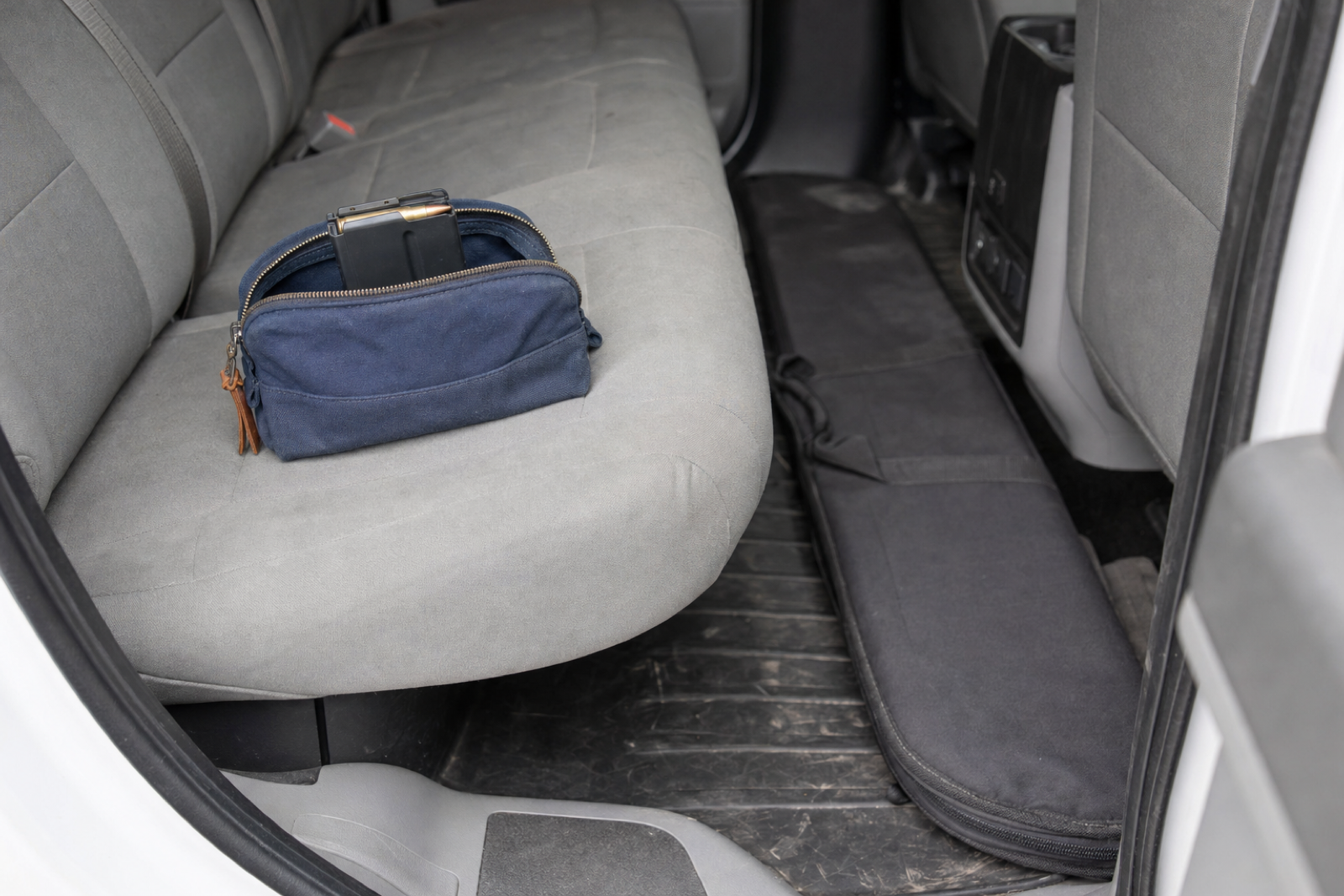
For packing, I would give loaded magazines their own pouch and keep it apart from the rifle. That makes separation easy to check before closing the vehicle. The regulation specifies contact; it supplies no minimum number of centimetres. A separate pouch is a practical choice, and the text gives no basis for turning the pouch itself into mandatory equipment.
A rifle case can protect the firearm during the drive. The legal question discussed here remains contact between the firearm and a loaded magazine. Cases vary, and an exterior pocket alone tells you little about that physical relationship. Check the actual arrangement and keep the loaded magazine clear.
There is time to do that at home. Page 18 of the current guide lists November 15 rifle openings for Saskatchewan residents in specified white-tailed deer zones, including 17, 30-47, 52, and 54. For zones 1-16 and 18-29, the listed rifle dates are November 20-30. Visiting hunters and draw licences have their own tables, so match the season to the licence and zone.
Owners should be able to find the real rule without collecting extra ones along the way. For my packing list, the useful addition is a separate place for loaded magazines, with the gap checked while the gear is still in front of me.
Sources
- Government of Saskatchewan, Province Encourages Safe Hunting Practices, November 6, 2026
- The Wildlife Act, 1998, government-hosted consolidation, sections 40, 74, 76, and 79
- The Wildlife Regulations, 1981, government-hosted consolidation, sections 11.1 and 15
- 2026-27 Saskatchewan Hunters Guide, pages 8 and 18
- SOR/98-209, sections 1 and 10, current to October 19, 2026
- Browning BAR MK3 product specifications
- Browning BAR MK3 owner's manual, floorplate-style magazine sections
- Holdover, Nothing in section 10 says case
Keep up with Canadian ownership rules
Provincial rules can change a familiar packing routine.
The Dispatch brings source-checked Canadian ownership coverage and the week's strongest Holdover articles together in a free weekly roundup.