Hunting with an SKS under Quebec's *bullet rule*
Quebec's hunting rules address the bullet as well as the rifle. An SKS owner needs identifiable ammunition, the manufacturer's description and the right season row.

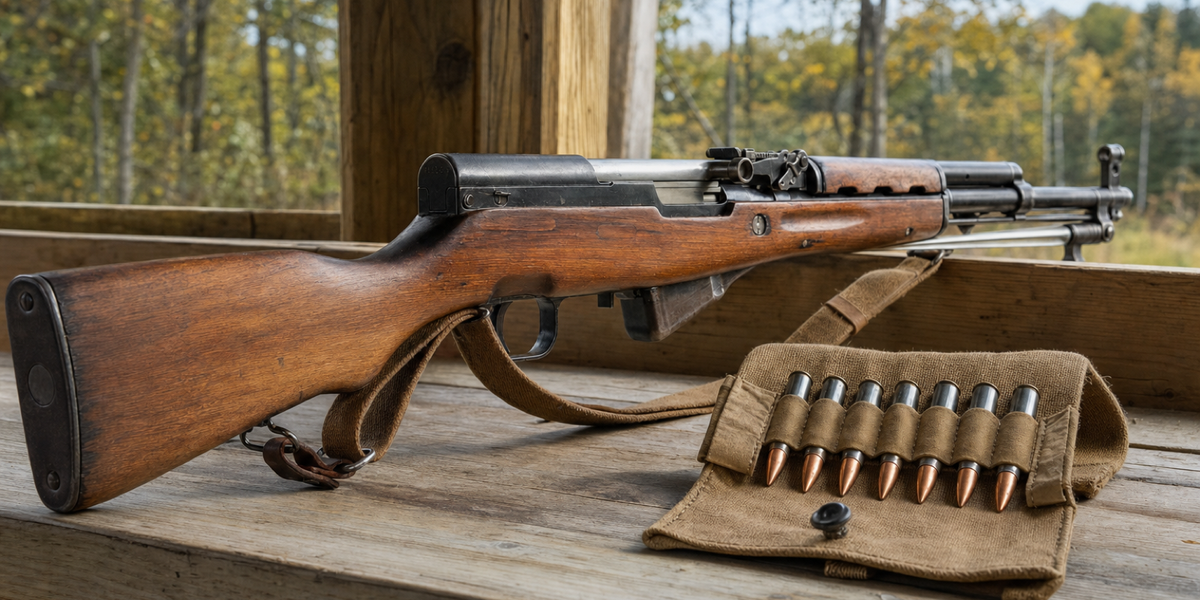
Quebec gives an SKS owner preparing for deer season a specific ammunition question to answer. Its hunting rules exclude non-expanding military-type hard-point bullets. Knowing that a rifle takes 7.62x39 gets you as far as the cartridge designation; the ammunition in the box still needs its own check.
I own a Chinese surplus SKS in a FAB chassis. That makes this an ownership question I care about. I'm using the regulation and manufacturer descriptions here. The useful work is reading the rule and identifying the product. The rifle already has enough mythology attached to it without asking a box of ammunition to carry some too.
The rifle and the bullet have separate rules
Quebec's current hunting guidance permits centre-fire rifles of at least 6 mm for moose, white-tailed deer and black bear. The 7.62x39 cartridge clears that calibre threshold. The same guidance separately excludes tracer bullets and military-type hard-point bullets with non-flattening tips.
The province puts the ammunition restriction under prohibited gear: "tracer bullets and hard-point military-type bullets with non-flattening tips." Its separate table of authorized weapons gives the calibre and centre-fire requirements. A reader can find both on the same official page without having to infer the bullet rule from the rifle table.
Both parts matter. The calibre provision answers one question about the rifle. The bullet provision places another condition on what can be used for hunting. Licences, seasons, territory restrictions and the firearm's legal configuration remain separate parts of the same plan.
That is a narrower and more useful answer than declaring that an SKS clears every hunting requirement. The regulation supplies a calibre floor and an ammunition restriction. It gives no blanket endorsement of a particular rifle, cartridge product or hunting situation.
An identifiable box earns its place
The practical starting point is the manufacturer's exact ammunition description. Federal's Power-Shok entry for part 76239B identifies a 7.62x39 cartridge with a 123-grain jacketed soft-point bullet and lists its use as big game. Those fields identify a particular product. They say nothing about today's Canadian stock or price, and they remain the manufacturer's description rather than a Holdover performance test.
An exposed lead tip can be a clue, but a quick look at the nose does not establish every bullet's intended use. Hornady's American Whitetail TIPPED line, for example, uses polymer-tipped hunting bullets. Its .308 Winchester example is a different cartridge, cited here only to show why exposed lead makes a poor universal test. The Quebec rule concerns the prohibited bullet category, so the exact product description is the information the owner needs to resolve.
This is where loose ammunition can make a small administrative job larger. If the original packaging has disappeared and the product cannot be identified, a confident guess about its appearance leaves the central question unanswered. I would want that uncertainty settled through the manufacturer or an identifiable replacement product before relying on it for a hunt.
I also want to keep a legal check separate from a product recommendation. This article contains no comparison test of hunting ammunition and no claim that a soft point is the only permitted design. A manufacturer's hunting designation helps identify its intended use; the provincial rule still supplies the legal test.
November dates leave time for the check
Quebec's current 2026 deer table gives a useful planning example close to Ottawa. In zones 10 East and 10 West, the season that includes rifles runs November 7 to 22 for deer with antlers at least 7 cm long. The province also directs hunters to check rules for particular territories.
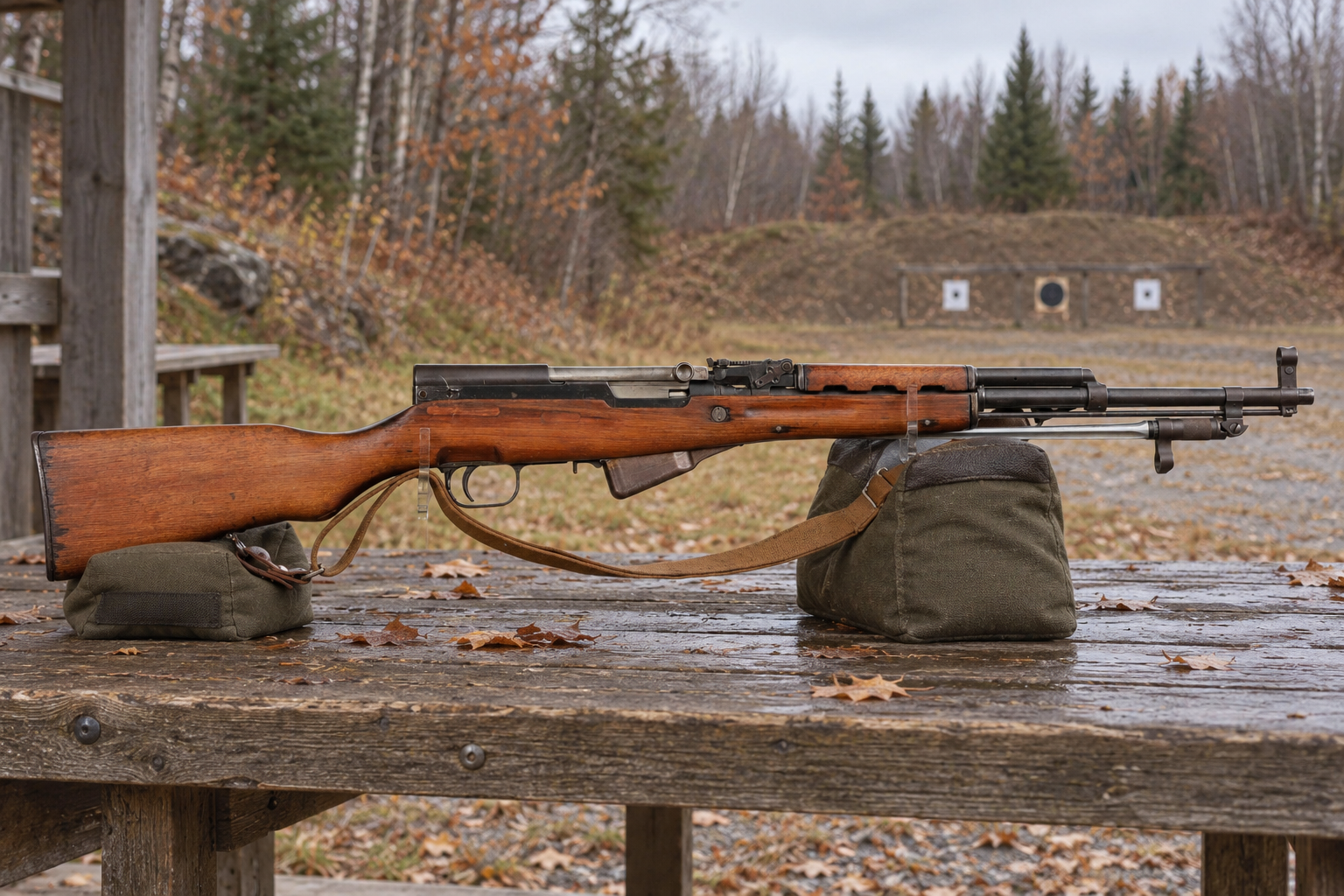
Those zone and weapon headings deserve attention. The same table includes October dates for bows and crossbows, followed by a separate season for shotguns, muzzle-loading firearms, crossbows and bows. An October date beside the right zone can still belong to a different implement category. A rifle owner needs the row that actually includes rifles.
The November example gives an owner time to identify the ammunition and read the applicable conditions while there is still room to resolve a question. I would rather do that with a product page and the original box in front of me than discover a gap after arranging a trip. A sale price contributes very little to that conversation until the product itself is clear.
Keep the federal file in view
The SKS also sits inside a wider classification debate. Public Safety's published INAN briefing says the rifle was excluded from the May 2020, December 2024 and March 2025 prohibitions. In its December 2025 statement, the department announced a broader classification review that would include dedicated Indigenous consultation concerning the SKS.
I checked the current published sources again on September 25. The Justice consolidation examined was current to September 3 and showed March 7, 2025 as its last amendment. These are dated records; an owner making a later decision needs the law and firearm details applicable then. The consultation announcement supplies no guaranteed outcome for the rifle.
For this autumn's ammunition question, Quebec has already supplied a concrete rule an owner can read. Taking ordinary, lawful ownership seriously means giving that sort of detail the same attention we give the rifle. I would start with an identifiable product, its manufacturer's description and the actual hunting row for the intended trip. That leaves a question someone can answer, instead of a guess based on the colour of a bullet tip.
The Dispatch follows Canadian ownership rules and practical gear questions. Subscribe here.
Sources
- Government of Quebec, Hunting weapons, ammunition and other gear, updated January 16, 2026; checked September 25.
- Government of Quebec, 2026–2027 white-tailed deer hunting seasons, updated May 21, 2026; checked September 25.
- Public Safety Canada, INAN parliamentary committee briefing, firearms questions and answers, material for the November 5, 2025 appearance; checked September 25, 2026.
- Public Safety Canada, Statement on strengthening the firearms regime, December 2025; checked September 25, 2026.
- Department of Justice, Regulations prescribing certain firearms and other weapons, SOR/98-462, consolidation current to September 3, 2026; checked September 25.
- Federal, Power-Shok, part 76239B, manufacturer product identification checked September 25, 2026.
- Hornady, .308 Winchester 150-grain SST American Whitetail TIPPED, manufacturer example of a polymer-tipped hunting product; checked September 25, 2026. This is a different cartridge from 7.62x39.
Shortlist the rifle before the checkout page.
If this piece helped you narrow the rifle question, keep the tradeoffs visible before the next tab becomes a shopping cart.
Use the Holdover Rifle Cartridge Shortlist Card to compare use case, distance, recoil, ammunition availability, rifle fit, optics plan, budget, and what you will actually practice.
Safety note: the card is a planning worksheet, not buying advice, legal advice, hunting guidance, load data, or a substitute for current manufacturer, range, provincial, federal, or qualified-instructor guidance.