The best first precision rifle is still a *.22*
Current Canadian rimfire matches show the sane way into precision shooting: start small, learn wind and position, and let targets decide what gear actually matters.

Update, June 9, 2026. Public Safety Canada has extended the relevant amnesty period. The old the former fixed deadline date referenced below is no longer the operative expiry; the amended expiry is 90 days after the Supreme Court of Canada renders its decision.
Opinion. A .22 at 200 metres has a gift for making expensive confidence look cheap.
That is why rimfire precision remains the best first doorway into serious rifle shooting in Canada. Not because it is easy. Because it is difficult in the right ways: inexpensive enough to repeat, demanding enough to expose weak fundamentals, and social enough that a new shooter can learn beside people who have already made most of the expensive mistakes.
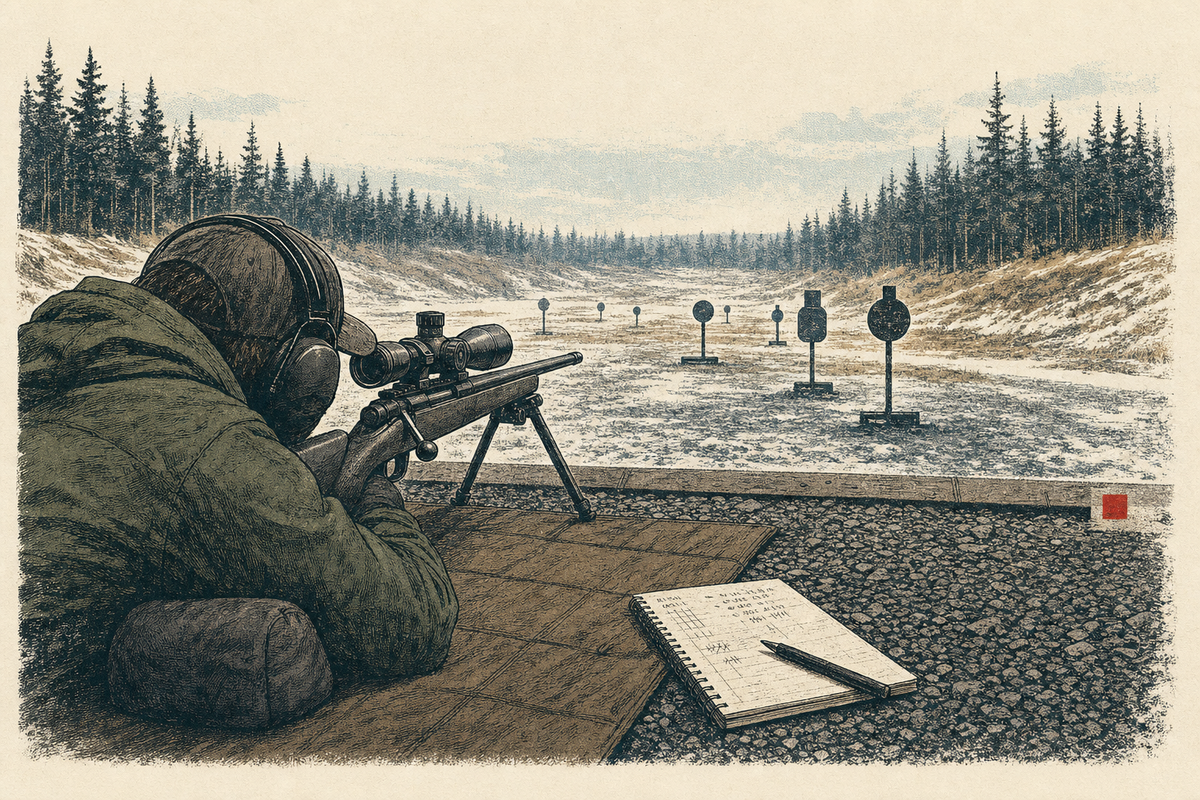
On May 10, the CRPS Atlantic Canada May Match was scheduled at Atlantic Marksmen Association in Oldham, Nova Scotia. The match page listed a long-range PRS-style rimfire format for .22 LR rimfire and .22 calibre air rifles, 10 stages, a maximum round count of 120, and targets from 45 to 200 metres. On the same date, Vancouver Island's precision rimfire schedule listed an ORPS match by Tesro Canada at Victoria Fish and Game.
That is a better snapshot of Canadian firearms culture than another federal press line about "assault-style" anything.
The public hears about bans, freezes, buybacks, smuggling, and political theatre. New PAL holders hear all of that too, usually before they have even figured out which range bag is too large, which scope advice is nonsense, and why .22 ammunition that looks identical on a store shelf can behave like two different cartridges on paper.
The best answer is still competence.
Start where the target gives honest feedback and the bill is not absurd.
The target is cheaper than the lesson
There is a specific humiliation built into rimfire at distance. A centrefire rifle can flatter you for a little while. A .22 will not.
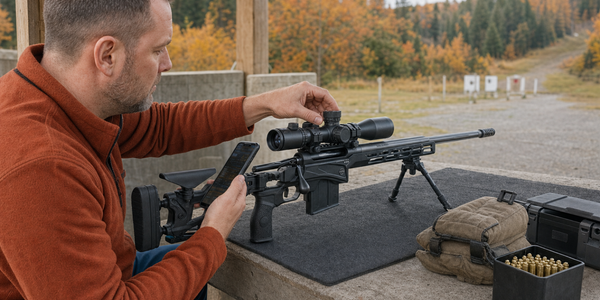
At 50 yards, most decent rimfire rifles look civilized. Stretch that to 100 yards, then 150, then 200 metres on steel, and the whole room changes. Wind matters. Position matters. A lazy trigger press matters. Ammunition choice matters. Parallax matters. A bipod loaded differently from one stage to the next matters. The rifle is still quiet, cheap to feed, and physically modest, but the lesson is not small.
That is the useful part.
The CRPS Atlantic event listing is exactly the sort of thing a newer shooter should study. Ten stages. A 120-round maximum. Targets out to 200 metres. A safety brief. A match booklet. Awards, teardown, and the unglamorous reality of a club day that runs on volunteers and people putting things back when they are done.
This is how a hobby becomes a discipline.
You learn by standing beside better shooters and noticing that they do not look nearly as dramatic as the internet said they would. They write things down. They check wind. They build positions carefully. They miss, correct, and move on. Nobody serious is impressed by the most expensive object on the firing line if the owner cannot hold it still.
That is a healthy culture for a new shooter to enter.
Gear restraint is a skill
The Vancouver Island Precision Rimfire getting-started page gives unusually good advice: do not go gear crazy based on YouTube or Reddit. Come to a match or open house, talk to the people who are actually shooting, and figure out what they use and why.
That sentence should be printed on the inside of every new shooter's wallet.
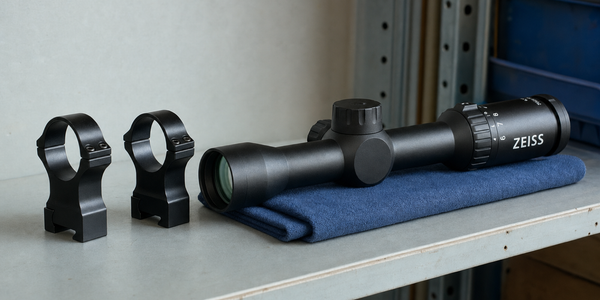
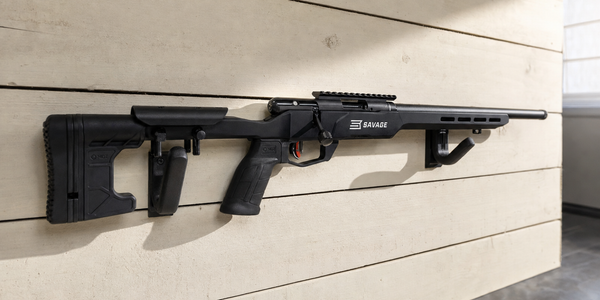
The same page says a rimfire precision setup can run from about $1,600 to $10,000, then lists the practical starting kit: a .22 calibre rimfire rifle, two 10-round magazines, a scope with enough adjustment and magnification, a bipod, a shooting bag, decent ammunition that works in the rifle, eye and ear protection, and a willingness to listen and learn.
That last item is the cheapest and most commonly out of stock.
Canadian shooters have a special vulnerability to gear anxiety because our market is narrow, supply is inconsistent, prices are rude, and federal policy keeps turning ordinary purchase decisions into small acts of document review. If something is in stock and legally available today, the temptation is to buy it before Ottawa, importers, exchange rates, or somebody's classification spreadsheet changes the weather.
I understand the impulse. I own a Rock Island TM22 Feather and a Derya TM22 because .22 semi-autos are cheap to feed, useful fun, and one of the few categories left where a range day can still feel pleasantly unserious. But they are not a shortcut to judgement. No rifle is.
The beginner trap is not buying the wrong thing. It is buying too many answers before asking the target a question.
A rimfire match slows that down. It shows you whether you actually need more magnification, a better bag, a different bipod, more consistent ammunition, or simply fewer excuses. It turns the shopping cart into a testable hypothesis, which is much more civilized than turning it into a personality.
Rimfire is not the kiddie table
The Canadian Rimfire Precision Series describes itself as a way for shooters across Canada to develop skills with .22 LR rifles, with matches across the country, beginner-friendly events, mentorship, loaner equipment, and divisions that include Open, Production, Semi-auto, Airgun, and Stealth. It also notes short-range precision from 25-100 yards, long-range rimfire from 50-350 metres, and even King of .22 Miles Canada for people who believe small cartridges deserve large ambitions.
That is not a toy version of rifle shooting.
It is precision rifle with the ego partly removed. Not completely removed, obviously. This is still a shooting sport. Someone will always find a way to spend dentist money on a rimfire build and then explain why it was fiscally prudent. But the format itself remains welcoming because the cartridge lowers the cost of repetition.
Repetition is where new shooters are made.
The first year should not be dominated by chasing banned-platform nostalgia, arguing on forums, or trying to assemble the perfect centrefire rifle before the shooter knows what "perfect" is supposed to solve. It should be range time. Lots of it. Paper, steel, notes, small corrections, mild embarrassment, and the occasional stage that makes you wonder whether the wind is a living thing with a personal grievance.
The .22 lets you do that.
It also creates a broader doorway. Youth shooters, women, older shooters, people without magnum budgets, people with modest range access, and people who simply want to learn before they spend can all enter without being told the serious table is somewhere else.
That matters in Canada.
This is advocacy with targets
There is a political reason to care about this, even in a gear piece.
Public Safety Canada's current buyback page says Canada has banned more than 2,500 makes and models of so-called assault-style firearms since May 2020. It also says owners must dispose of or permanently deactivate affected firearms before the SCC appeals + 90-day amnesty endpoint or risk criminal liability.
That is the climate new shooters are walking into.
They are not entering a neutral hobby. They are entering a lawful, licensed, regulated culture that has spent the past six years being treated by federal policy as a convenient pressure surface. Handguns are frozen for almost everyone who did not already own them. Many semi-automatic centrefire rifles have been pushed into prohibition by OIC and regulation. Importers and retailers live under uncertainty. Owners have learned to read government pages the way reloaders read pressure signs.
Against that background, a .22 match is more than a cheap Sunday.
It is evidence.
Not evidence in the theatrical sense. No slogans required. No imported American constitutional language. No fantasy about Canadian law being something it is not.
It is quieter than that.
It is evidence that lawful firearms culture in Canada is ordinary, disciplined, documented, and heavily self-policing. It is adults arriving for check-in, listening to the safety brief, using equipment appropriately, recording scores, helping newer shooters, respecting the range, and then tearing down when the day is over.
That does not fit the cartoon. Good. The cartoon deserves to fail.
The sane first move
If a newer shooter asked me where to begin in Canadian precision rifle, I would not start with a calibre war.
I would start with access. Which range can you actually attend? Which matches are within a sane drive? Can you observe first? Is there a club night? Are loaner rifles available? What does the local match director recommend? What do the competent regulars use that still looks boring after a full season?
Then I would start with .22.
Not forever. Not because centrefire is too much. Not because the bigger rifles are a mistake. I like bigger rifles too much to pretend that. But the first precision rifle should teach more than it costs, and rimfire is unusually good at that bargain.
A .22 will show you whether you can build a position, call wind, trust a dope card, manage a stage, and keep your head after a miss. It will also show you whether you enjoy the process enough to spend real money later.
That last part matters.
The Canadian market is not kind to casual indecision. Components are expensive. Optics are expensive. Good rifles are expensive. Political uncertainty adds its own tax, paid in time, caution, and the low-grade irritation of checking whether a perfectly normal object has been dragged into somebody else's announcement.
So start where the lessons are dense and the downside is lower.
Start with the rifle that lets you shoot more.
Start small. The target will make the argument for you.
Related Holdover Tools
Useful calculators and references from the same corner of the Holdover bench.
Sources
- Precision Rifle Series, CRPS Atlantic Canada May Match, Nova Scotia, May 10, 2026 event page, accessed May 11, 2026.
- Precision Rifle Series, CRPS East, 2026 regional page and standings, accessed May 11, 2026.
- Precision Rimfire Vancouver Island, Match and Event Schedule, accessed May 11, 2026.
- Precision Rimfire Vancouver Island, Getting Started in Precision Rimfire, accessed May 11, 2026.
- Canadian Rimfire Precision Series, Canadian Rimfire Precision Series, accessed May 11, 2026.
- Public Safety Canada, Assault-Style Firearms Compensation Program, date modified April 21, 2026, accessed May 11, 2026.
Shortlist the rifle before the checkout page.
If this piece helped you narrow the rifle question, keep the tradeoffs visible before the next tab becomes a shopping cart.
Use the Holdover Rifle Cartridge Shortlist Card to compare use case, distance, recoil, ammunition availability, rifle fit, optics plan, budget, and what you will actually practice.
Safety note: the card is a planning worksheet, not buying advice, legal advice, hunting guidance, load data, or a substitute for current manufacturer, range, provincial, federal, or qualified-instructor guidance.