The gun show is not a *loophole*
A busy May 2 gun show listing in Ontario is a useful reminder: in Canada, the gun show is not a loophole. It is one of the last human places where new shooters can learn gear, law, and culture at the same table.


Opinion. The most interesting line in a Canadian gun show listing is usually not the table price.
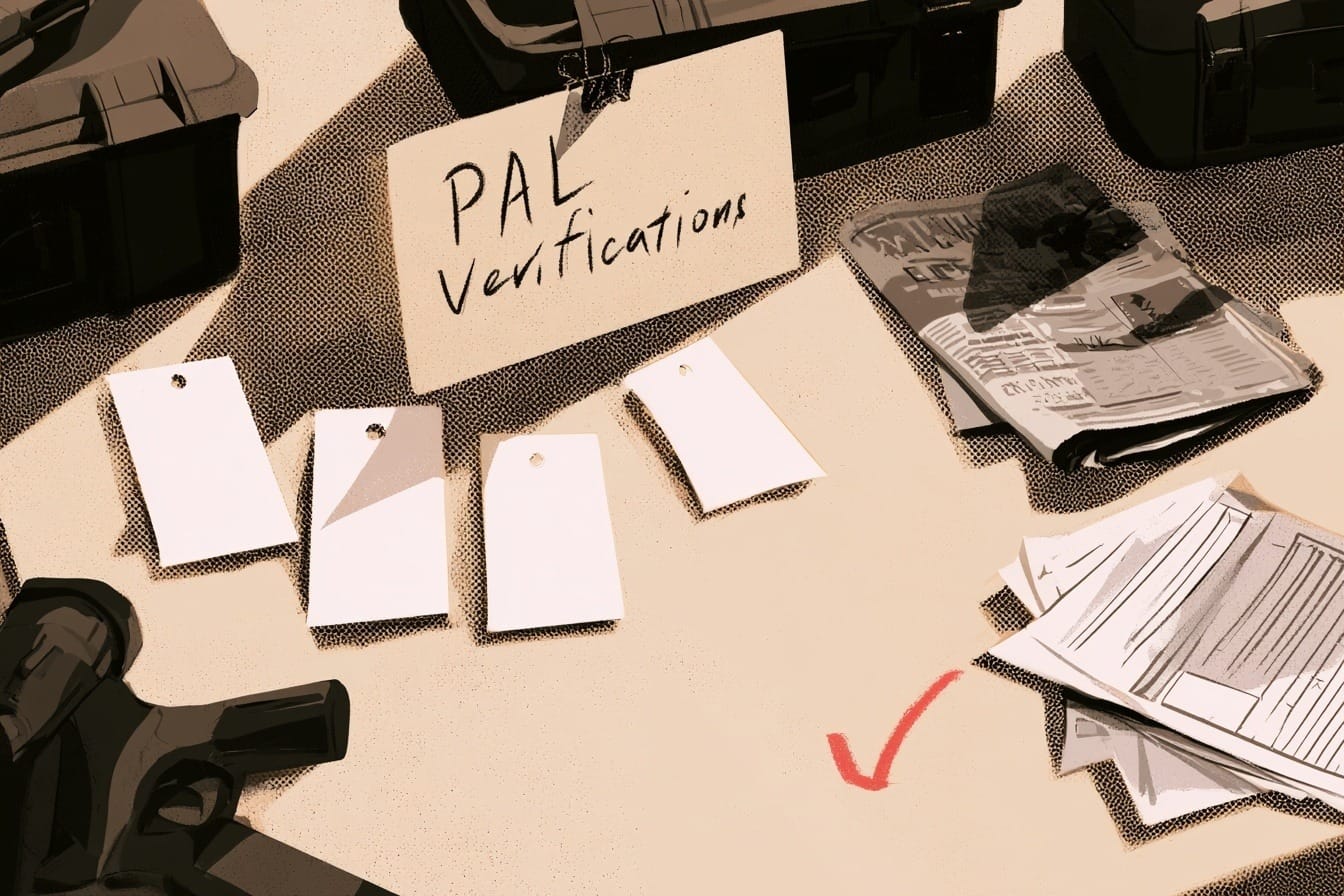
On GunPost, the Oshawa Gun & Military Show listing for May 2 says "BUY/SELL/TRADE". A few lines later, it says, "PALs will be verified."
That is the part people outside the firearms community never seem to hear.
The same search window showed the Keady Gun Show at Keady Arena near Owen Sound, also on May 2, with the listing describing it as the only show of its kind in the Grey/Bruce County area, well attended, and supported by vendors. The page had logged 2,281 visits when I checked it. The Canadian Coalition for Firearm Rights listed its own Keady Rod & Gun Show event for May 2 and noted that the CCFR would be attending. It also listed Fehr's Sporting Goods' outdoor show in Steinbach, Manitoba, the same day, again with CCFR attending.
This is not a national crisis. It is not even a national story in the way Ottawa understands stories, which is to say through podiums, acronyms, and the slow death of common sense by briefing note.
It is something more useful: a normal Canadian firearms weekend.
A table is not a loophole
The imported phrase "gun show loophole" does not belong here.
Canada is not the United States with colder weather and better spelling. In Canada, the RCMP's public guidance says a firearm may only be transferred to an adult with a PAL valid for that class of firearm, to a licensed business or museum, or to a public service agency. For non-restricted firearms, the seller has to obtain confirmation from the Registrar that the buyer holds, and is still eligible to hold, the right licence. That is done through a reference number, and the transfer happens only after that number is issued.
Restricted and prohibited transfers are tighter still. The firearm remains registered. The transfer goes through the Canadian Firearms Program. The Chief Firearms Officer is involved. The registration record has to be updated. A new registration certificate has to be issued.
This is not an honour-system bazaar.
The useful thing about a gun show is not that it somehow lives outside the rules. It is that it puts the legal market in one room. Vendors, collectors, used gear, optics, reloading tools, estate pieces, target packs, cases, slings, club tables, advocacy tables, and a snack bar that will almost certainly be better than it needs to be.
That last part may be the most Canadian detail in the file.
Why new shooters should care
The internet is a terrible place to learn taste.
It is useful for specs, prices, manuals, manufacturer pages, and the occasional brilliant forum post buried under 40 comments from men who type like recoil has permanently affected their punctuation. It is not very good at teaching proportion. A new shooter can spend three weeks online and come away believing the first purchase must solve every possible future problem: hunting, precision, clays, rimfire practice, crown land, local range rules, family use, resale value, the apocalypse, and one very specific YouTube video filmed in Wyoming.
A gun show fixes some of that because the gear is physical.
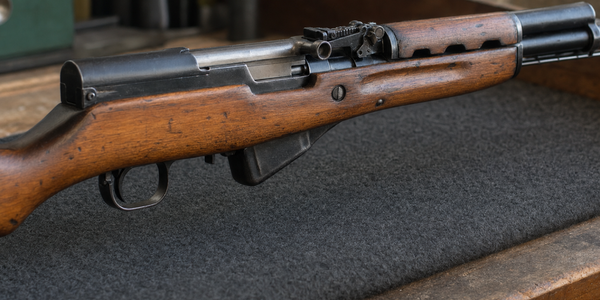
You can see what an old walnut hunting rifle looks like beside a modern chassis gun. You can compare a $200 used scope with a $1,400 optic and notice which differences are real, which are marketing, and which only matter after you can shoot well enough to earn them. You can pick up a shooting bag and understand why some gear is worth the weight. You can look at reloading dies, case gauges, presses, manuals, and powder shelves and realize that handloading is not magic. It is a small manufacturing process run by people with strong feelings about brass.
That matters for newer shooters because the best early purchase is often not the most exciting one. It is the one that lets you shoot more, learn faster, and avoid buying the same thing twice.
At a show, the useful conversations are rarely dramatic. "What are you using this for?" "What range do you shoot at?" "Are you actually going to carry that weight?" "Do you want to hunt with it, or are you imagining a version of yourself that owns a horse and has a private valley?"
The last question is implied.
The market got narrower
The reason these rooms matter more now is that the Canadian legal market has been narrowed, chopped, frozen, and relabelled for six years.
The federal handgun freeze came into force on October 21, 2022, and was later codified through former Bill C-21. Public Safety Canada says individuals can no longer acquire handguns except in specific cases, including certain Authorizations to Carry and people training, competing, or coaching in Olympic or Paralympic handgun disciplines. The same page says licensed owners can continue to possess and use registered handguns for target shooting and collection, but that is not the same thing as a normal replacement market.
On May 1, Kidd Family Auctions, an Ontario auctioneer, had to spell out the practical effect in its Locked & Loaded auction listing: due to government restrictions, handguns could no longer be sold within Canada to an individual. That is policy once it leaves Ottawa and lands in retail English.
No press conference. No slogan. Just a business telling normal buyers the door is closed.
For new shooters, this is not ancient history. It is the room they enter now. The handgun market is effectively frozen for ordinary individuals. The OIC and FRT prohibitions have made parts of the semi-automatic centrefire market feel like a trapdoor. Import rules, parts rules, transfer rules, and amnesty deadlines keep moving through the background like low weather.
So when a local show still draws attention, vendors, collectors, and an advocacy group, it is not nostalgia. It is continuity.
The lawful market is still there. Smaller, stranger, more cautious, but still there.
Advocacy belongs in the aisle
The CCFR attending a local show is not the same thing as a rally. That is the point.
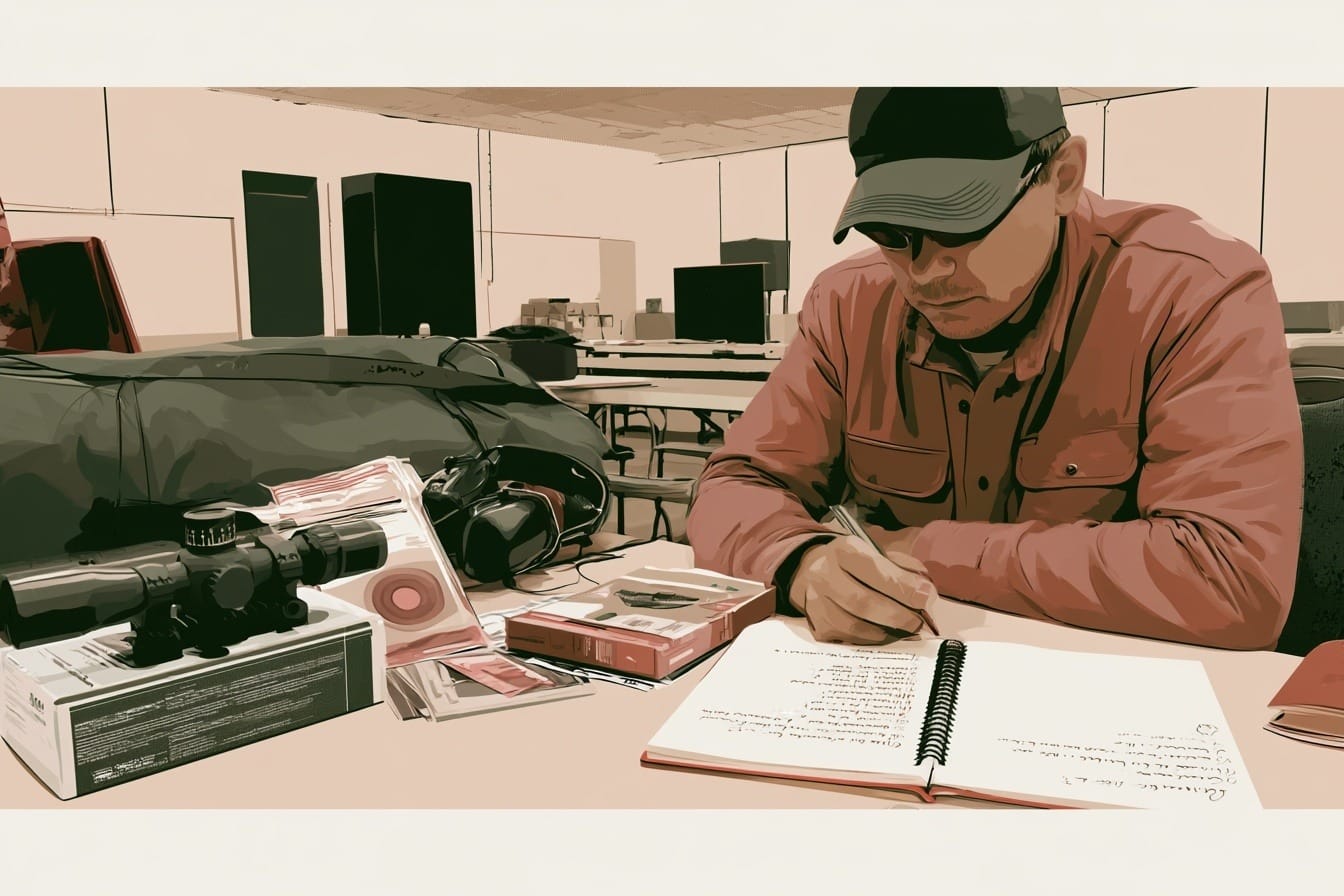
Advocacy in Canadian firearms culture should not only happen when something is already on fire. It belongs in the ordinary places too: clubhouses, match days, safety courses, retail counters, collector shows, and the aisles where someone is deciding whether this sport is for them.
That does not mean turning every conversation into a speech about Ottawa. Nobody wants to ask about a used bipod and get a 20-minute monologue on Cabinet authority under the Criminal Code. There is a humane limit.
But the politics are unavoidable because the politics keep reaching into the gear. A new shooter trying to understand what they can buy is already learning policy. A collector trying to move estate pieces is already learning policy. A retailer trying to explain why a category vanished is already learning policy. A handloader trying to source components in Canada is already learning that the market is not abstract. It is legal, logistical, and fragile.
The best advocacy in that setting is grounded. It says: here is the law, here is what changed, here is who is fighting it, here is why lawful owners are not the public-safety problem Ottawa keeps pretending they are, and here is how to stay involved without becoming unbearable at the table.
Calm matters. So does presence.
The room teaches the culture
A good gun show is not just commerce. It is editorial.
It tells you what the local market values. If the tables are full of used hunting rifles, old glass, surplus parts, rimfire magazines, shotgun chokes, estate scopes, and reloading odds and ends, that says something about the community. If every second person is asking about .22, that says something. If the reloading table is picked thin by mid-morning, that says something too.
It also teaches a new shooter one of the first serious lessons: firearms culture is not one thing.
The person looking for a deer rifle is not the same person looking for a precision rimfire trainer. The collector studying a military bayonet is not the same person trying to price a used 6.5 Creedmoor. The handloader asking about bushings and mandrels is not the same person buying their first case. They may all be in the same room, under the same law, carrying the same broad political burden, but they are not interchangeable.
Ottawa's language keeps flattening that world. "Assault-style." "Common sense." "Buyback." "Freeze." The words are designed to make categories feel obvious and owners feel suspect.
The room says otherwise.
It says lawful ownership is ordinary, varied, and more disciplined than its critics care to learn. It says a firearms community can be political without being unhinged, technical without being elitist, and welcoming without pretending the rules are simple.
That is exactly the kind of room a new shooter should see.
Start with the table
If you are new, the gun show is worth your time even if you leave with nothing.
Maybe especially then.
Go to learn the market. Go to hear how experienced people describe condition, fit, glass, stock shape, action feel, case prep, and the small compromises that spec sheets hide. Go to see what Canadian pricing actually looks like when it is not filtered through an American review channel. Go to understand that lawful firearms ownership here is not an online identity. It is a regulated, local, often expensive, occasionally funny, deeply practical culture built out of people who still show up.
That is why the Keady listing caught my eye. Not because a Saturday show in an arena is earth-shaking, but because it is not. It is ordinary. Five dollars at the door. Tables. Vendors. Families. Collectors. PAL checks. Advocacy in the corner. Someone looking at a scope they cannot afford. Someone else explaining why the cheaper one is probably enough for now.
There is no loophole in that.
There is a community.
Ottawa should learn the difference.
Sources
- GunPost, Keady Gun Show, posted April 19, 2026, accessed May 2, 2026.
- GunPost, Oshawa Gun & Military Show, posted April 19, 2026, accessed May 2, 2026.
- Canadian Coalition for Firearm Rights, Keady Rod & Gun Show, published April 20, 2026, accessed May 2, 2026.
- Canadian Coalition for Firearm Rights, Fehr's Sporting Goods (FSG) Outdoors Show, published March 3, 2026, accessed May 2, 2026.
- Kidd Family Auctions, Locked & Loaded Auction, May 1, 2026, accessed May 2, 2026.
- RCMP, Buying and selling (transferring) firearms, date modified November 5, 2025, accessed May 2, 2026.
- Public Safety Canada, Former Bill C-21: Keeping Canadians safe from gun crime, date modified August 13, 2025, accessed May 2, 2026.
- Military Collectors' Club of Canada, Upcoming Shows, accessed May 2, 2026.
Source trail refreshed
This article was refreshed for accessibility and source discovery on 2026-05-20. The opinion has not been rewritten; this block keeps the source trail easier to inspect.
Primary source trail
- GunPost Keady Gun Show listing
- GunPost Oshawa Gun & Military Show listing
- CCFR Keady Rod & Gun Show event
- RCMP buying and selling/transferring firearms
- Public Safety Canada former Bill C-21 overview
Related Holdover references
Keep the source trail in one place.
If this piece sent you back to government pages, keep the official links, page dates, and follow-up notes together.
Use the Holdover Canadian Firearms Policy Source Tracker to record the current Public Safety, RCMP, Canada Gazette, and Justice source pages behind buyback, OIC, classification, compensation, and amnesty claims.
Safety note: the tracker is a worksheet for source hygiene, not legal advice or a substitute for current official guidance.