A chief firearms officer, *north of 60*
Yukon wants a chief firearms officer based in Whitehorse. The office could bring licensing and range administration closer while federal law stays federal.

Opinion / Canadian Context. Yukon opened an August 7 firearms consultation with two offices in the frame. One would advocate. The other would decide.
The proposed firearms advocate would support lawful owners, education, training, safety, ministerial advice, and public communication. A chief firearms officer already carries statutory authority inside the federal system. Yukon wants a northern CFO based in Whitehorse.
That quieter proposal is the one licensed owners across Canada should understand.
When I got my PAL/RPAL, the system reached me through the instructor, the tests, the application, the licence card, and the approved range. The name of the CFO barely registered. The office still sat behind each of those steps.
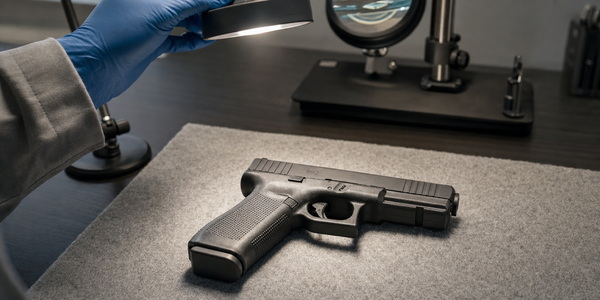
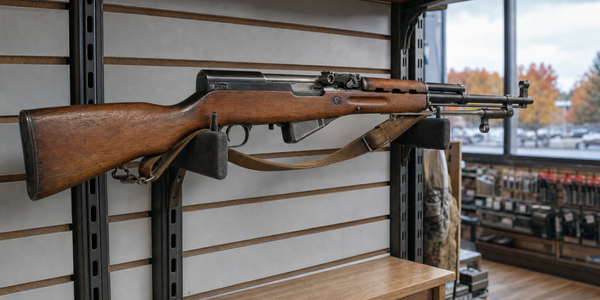
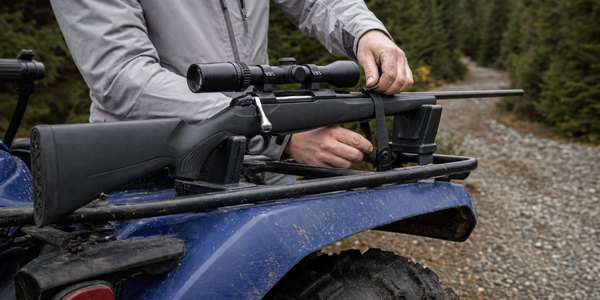
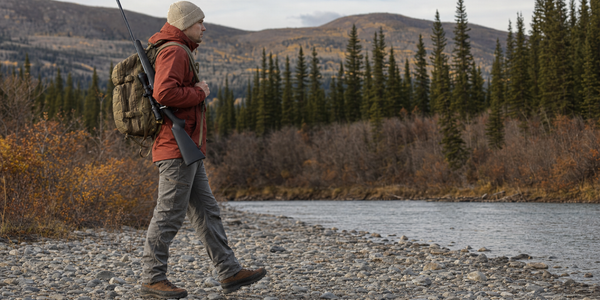
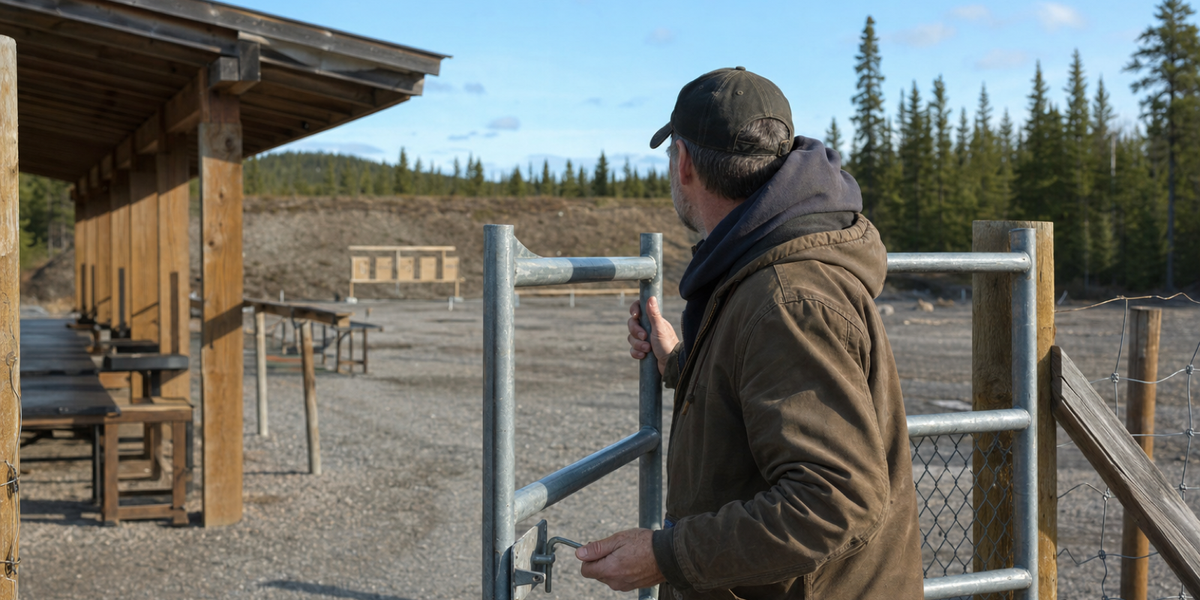
Holdover produced the feature as a fictional northern Canadian community-range morning. The person, range, and location are representative. They do not depict a named club, Whitehorse, a Yukon official, or an actual event.
The office behind the card
The Government of Yukon's engagement material gives a plain account of the work. A CFO administers the Canadian Firearms Program in each jurisdiction. That reaches eligibility and licences, safety-course instructors and tests, transportation, storage, firearms businesses, museums, shooting clubs, and range approvals and inspections.
Public Safety Canada describes the same office as responsible for individual and business licences, authorizations to transport and carry, restricted and prohibited transfers, and continuing eligibility.
The power also reaches revocation. Section 70 of the Firearms Act allows a CFO to revoke a licence, authorization to carry, or authorization to transport for "any good and sufficient reason." The listed grounds include lost eligibility, an improper non-restricted transfer, a breached condition, and specified convictions. The statute leaves that list open.
This is where an administrative office becomes personal. An owner sees a card. An instructor sees a designation. A club sees an approval and inspection file. A business sees a licence and transfer system. A regulator sees one program linking them all.
Why Whitehorse matters
Yukon has asked the federal government to base a northern CFO in Whitehorse and have that office administer the program for the territories. Justice Minister Laura Lang says the federal Public Safety Minister holds the appointment power. Her July 2 statement also says Canada has indicated a willingness to implement a territorial CFO position.
The practical case is proximity. A person administering instructors, ranges, businesses, and licence decisions across Yukon, Northwest Territories, and Nunavut needs a working understanding of northern distance, seasonal access, hunting, trapping, wildlife protection, and small-community capacity.
Location alone supplies no service standard. A Whitehorse address could still produce slow decisions, thin explanations, and distant form letters. The useful version of this proposal needs published timelines, accessible reasons, community contact, and reporting that shows where the program is short of instructors or range capacity.
Those are measurable expectations. They also give a northern office something more demanding than symbolic value.
Ottawa keeps the outer boundary
The Government of Yukon states the jurisdictional limit directly. The federal government controls the Firearms Act, the Criminal Code, firearm classification, and the Canadian Firearms Program. The CFO administers that program inside a jurisdiction.
Yukon's engagement page assigns the Assault-Style Firearms Compensation Program to Ottawa as well. It also explains that territorial legislation comes through the federal Yukon Act. Federal law prevails wherever the two conflict, and territorial law stays within the federal criminal-law boundary.
The strongest criticism of a northern CFO follows from those facts. The office would be a federal appointment administering federal law. Classification and prohibitions would stay in Ottawa. A new address would leave the central policy fight untouched.
Those limits are real. So is the daily authority that remains. Range approvals, instructor designations, business licensing, transport authorizations, and individual eligibility shape lawful ownership long before a national policy argument reaches a courtroom or Parliament.
The North asked for more
The Yukon Legislative Assembly supplied a larger benchmark on March 25. Southern Lakes MLA Tyler Porter moved Motion No. 54, urging Ottawa to create a carve-out for all three territories from the compensation program and related prohibitions.
The motion carried 14-0.
Yukon says it has also worked with Northwest Territories and Nunavut, met with the federal Public Safety Minister, sent a follow-up letter, and sought reconsideration of the prohibited-firearm list. The current public record gives the territorial CFO discussion a different scale. It is an administrative proposal beside a unanimous exemption request.
A serious pro-ownership reading can support the nearer office and keep that distinction intact. Better administration has value. It is also a smaller answer than the one the Assembly formally sent to Ottawa.
August 7 needs specifics
Yukon's survey is open through August 7. The government says the feedback will inform legislation and help set priorities for the possible firearms advocate. That makes the consultation useful when owners describe the administrative facts that a northern office or advocate could carry.
A strong submission gives the government something it can measure:
- the community and service involved;
- the instructor, range, licence, transport, or business process at issue;
- the time the process took;
- the practical effect of the delay or decision; and
- the service standard or public explanation that would improve it.
General support creates a tally. A dated example creates a record.
Yukon's proposal will deserve attention after the consultation as well. Watch for the actual bill, the advocate's statutory mandate, the reporting requirements, Ottawa's appointment decision, and any service commitments tied to a northern CFO.
Ottawa will keep the statute. Whitehorse can make its daily consequences harder to ignore.
Sources
- Government of Yukon, Statement from Minister Lang on launching engagement on territorial firearms legislation, July 2, 2026.
- Government of Yukon, Developing firearms legislation, accessed July 27, 2026.
- Engage Yukon, Developing firearms legislation, accessed July 27, 2026.
- Department of Justice Canada, Firearms Act, section 70, current to June 14, 2026.
- Public Safety Canada, Provincial responsibilities in regulating firearms, accessed July 27, 2026.
- Yukon Legislative Assembly, 2026 Spring Votes and Proceedings, Motion No. 54, March 25, 2026.
The amnesty file is still moving.
If this piece sent you back to government pages, do not wait for the next portal, Gazette, or court move to find you by accident.
The Dispatch follows Public Safety, RCMP, Canada Gazette, court, compensation, collection, and amnesty updates so the next change comes with the source that moved.
Safety note: the tracker is a worksheet for source hygiene, not legal advice or a substitute for current official guidance.