Five rounds, ten rounds, and the magazine's *design history*
A current Canadian discussion mixes magazine limits with firearm classification. The RCMP examples show why a magazine needs its own legal check.

Opinion
Canadian shooters discussing incoming 9mm firearms this week moved between magazine capacity, handgun classification, and whether proposed models could reach buyers. The r/canadaguns thread contains several different legal questions inside one shopping conversation. An owner trying to make a sensible purchase has to separate them.
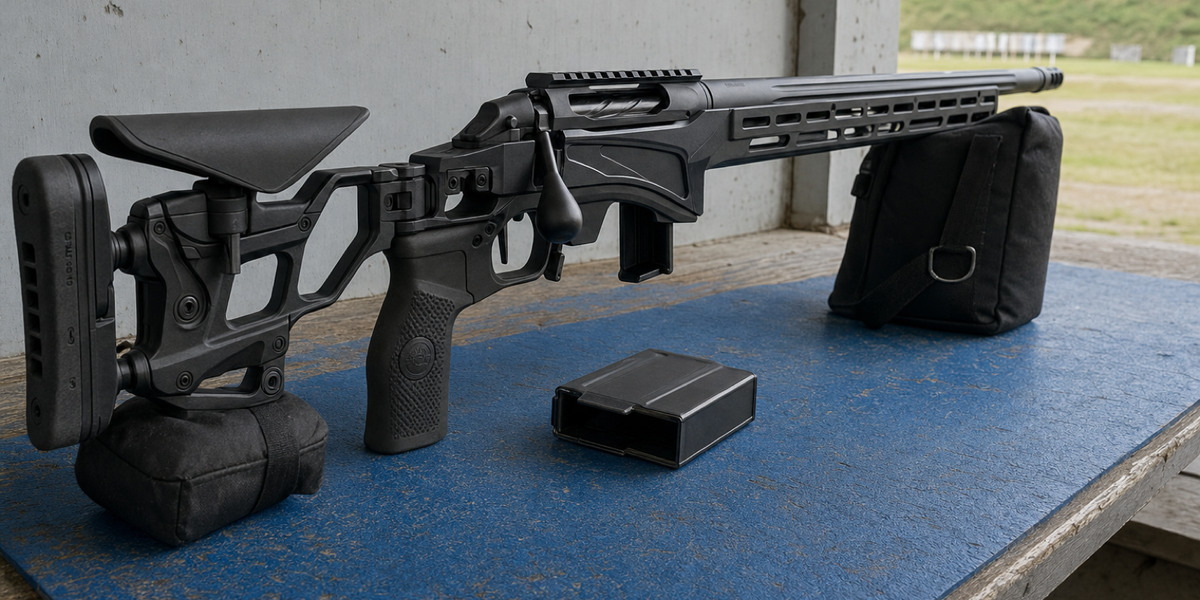
Magazine capacity deserves its own answer, with the design history attached. That means identifying the firearms and ammunition the magazine was made for. Five rounds, ten rounds, bolt action, and semi-automatic each tell you part of the story. The useful answer connects the right terms to the particular object you intend to buy.
I buy most of my firearms online. That puts a lot of weight on a product page and the answer to an email. I want the seller to explain the relevant design history in language I can follow, with a source I can keep. Spending an evening reconstructing it from forum replies is a poor use of anyone's enthusiasm for shooting.
Reading the magazine rule
The federal regulation, SOR/98-462, addresses cartridge magazines in Schedule Part 4, item 3. Its capacity test considers the ammunition for which a magazine was originally designed and the firearms for which it was designed or manufactured. The provisions set five-cartridge and ten-cartridge thresholds for specified categories, with exceptions. The five-cartridge provision includes magazines for semi-automatic firearms other than semi-automatic handguns; the ten-cartridge provision concerns magazines for semi-automatic handguns commonly available in Canada. The text also contains a rimfire exception to the five-cartridge provision. Those qualifications belong in any useful explanation. Read the regulation.
Reading that paragraph takes longer than remembering a number. It also gives an owner a much better question for a retailer: which part of the rule applies to this exact magazine, and what establishes its design history?
That question leaves room for an honest, useful answer. A seller can identify the part, point to its documentation, and explain the applicable category. If the available information leaves a gap, the buyer can keep the purchase on hold while seeking clarification. There is little value in replacing uncertainty with a more confident guess.
Design can span several firearms
The RCMP's magazine guidance explains that magazines designed for both semi-automatic centre-fire rifles and other rifles take the five-cartridge limit. A manually operated rifle therefore requires attention to the magazine's design scope. The same guidance says centre-fire magazines designed for rifles other than semi-automatic or automatic rifles have no regulated capacity, subject to its dual-use explanation. It also puts magazines designed for both rifles and semi-automatic handguns under the ten-cartridge handgun limit. Its central distinction is between the magazine's intended designs and whichever firearm happens to accept it. RCMP guidance.
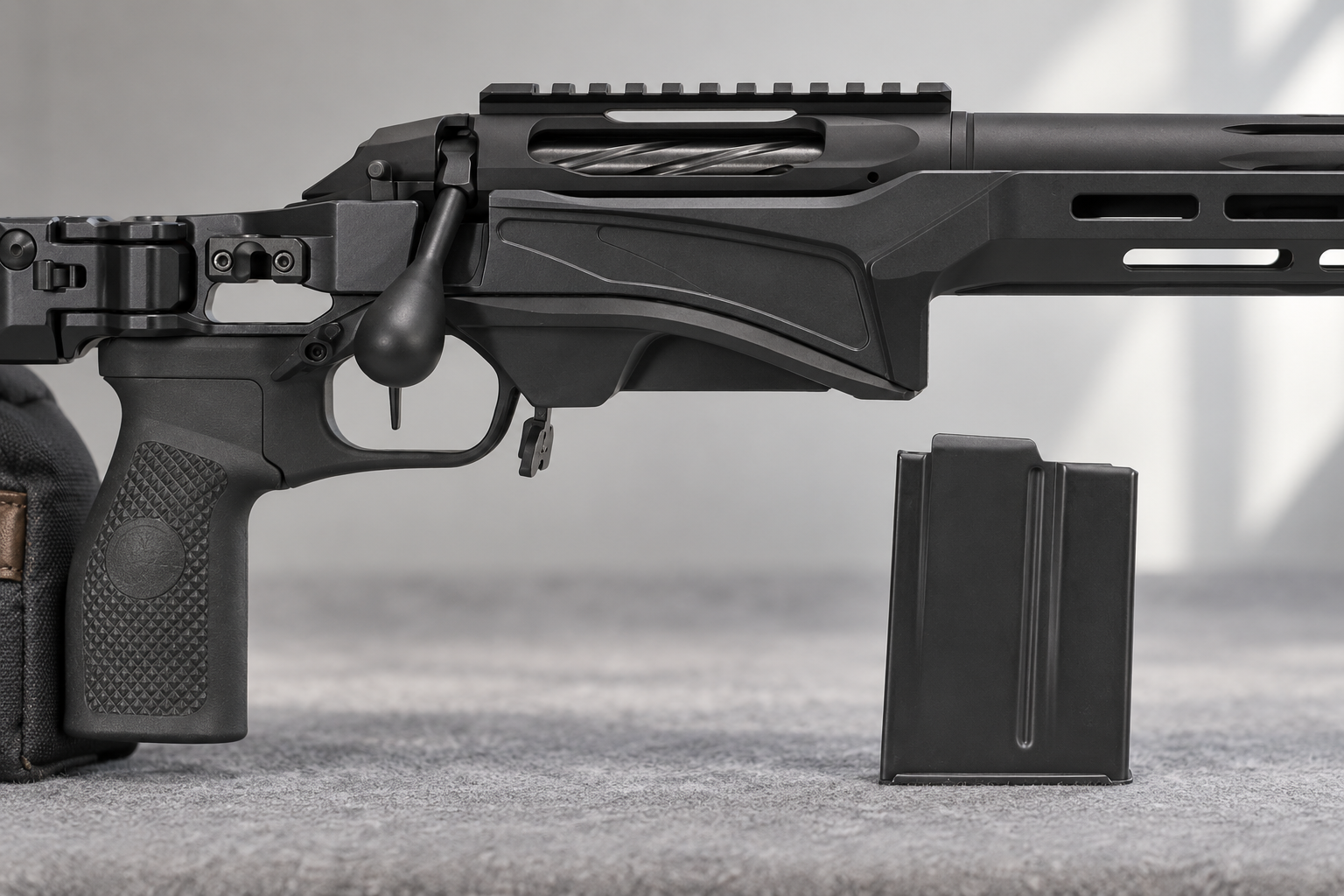
For the owner, that makes compatibility a separate line in the purchase decision. A part can fit while leaving the legal question unanswered. An explanation that identifies only the rifle in your cabinet stops too soon; ask about the full design scope of the magazine itself.
This is where I would like retailers to do more of the work up front. They already have a reason to distinguish compatible models and exact part numbers. A short, sourced explanation of the Canadian capacity category would help a buyer understand the offer. It would also give the next person answering a question something useful to link.
C-21 adds a separate firearm question
The Criminal Code contains a prospective prohibited-firearm category with several conditions. It covers a firearm other than a handgun that discharges centre-fire ammunition semi-automatically, was originally designed with a detachable magazine capable of six or more cartridges, and was designed and manufactured on or after the provision took effect. Public Safety identifies that date as December 15, 2023. That date applies to both design and manufacture. Read those conditions together. A capacity statement about a magazine supplies only part of the information needed to assess the firearm. Other prohibited-firearm categories also remain in the Code. Criminal Code, section 84. Public Safety's C-21 explanation.
The department describes C-21 as part of its plan to reduce gun violence. It also records the offence of altering a magazine beyond its lawful capacity and the requirement for a valid firearms licence when acquiring a magazine. Those are substantive obligations for a buyer. A clear public explanation should help an owner understand how the separate obligations apply. Public Safety Canada.
I support making compliance understandable for people who intend to comply. Ottawa chose a system in which design history matters. It should make that history easier for an ordinary owner to establish. The more an answer depends on information outside the owner's reach, the greater the need for an accessible official explanation tied to the particular product.
A useful answer to keep
Before buying, I would ask the seller to identify the exact magazine and provide the documentation behind its Canadian capacity claim. I would check the firearm's current classification separately. If the answer still depends on unresolved design history, I would take that specific question to the Canadian Firearms Program and retain the response with the purchase records.
Owners can help each other by linking the applicable source and keeping its qualifications intact. A discussion about a new product is a good place to notice a question that deserves checking. The next useful contribution is the evidence needed to answer it.
A buyer should be able to leave that exchange knowing which item the answer covers, who supplied the information, and where to find it again. That is a reasonable expectation for a lawful purchase in Canada.
Sources
- RCMP: Maximum permitted magazine capacity, checked September 17, 2026.
- Justice Laws: SOR/98-462, Schedule Part 4, item 3, checked September 17, 2026.
- Justice Laws: Criminal Code, section 84, checked September 17, 2026.
- Public Safety Canada: Former Bill C-21, checked September 17, 2026.
- r/canadaguns: Details of 9mm guns coming to Canadian Markets, current discussion checked September 17, 2026. Cited for reader questions only.
The amnesty file is still moving.
If this piece sent you back to government pages, do not wait for the next portal, Gazette, or court move to find you by accident.
The Dispatch follows Public Safety, RCMP, Canada Gazette, court, compensation, collection, and amnesty updates so the next change comes with the source that moved.
Safety note: the tracker is a worksheet for source hygiene, not legal advice or a substitute for current official guidance.