Your first online firearm order asks for *proof*
A current Canadian thread about an online firearm order shows the checkout lesson newer shooters learn quickly: the PAL number is only the start.

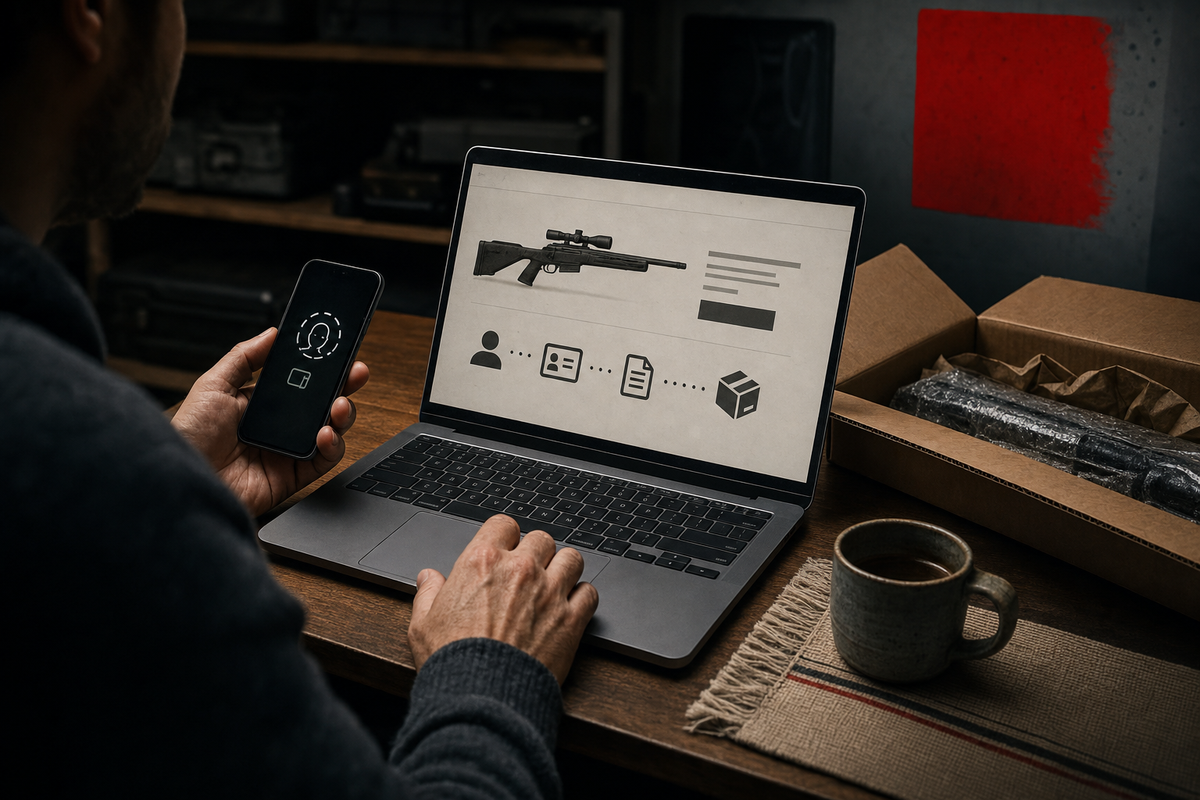
Opinion. The least romantic part of buying a firearm online in Canada is the moment the checkout asks you to prove you are the person on the licence.
A new r/canadaguns thread made that moment useful on Wednesday. A first-time online buyer dealing with Tenda asked whether it was normal to get an extra identity-verification request. The comments landed where experienced Canadian buyers would expect. Yes. Also, annoyingly, yes.
That is the right tension.
This is not a piece about Tenda. The better story is what the checkout now represents for newer PAL holders: the quiet administrative layer between lawful intent and a box moving through the shipping system.
The checkout is not making this up
The RCMP's current buying-and-selling page says a non-restricted transfer can happen only after the seller gets a reference number from the Registrar of Firearms. The Firearms Act says the same thing in section 23: the buyer must hold the right licence, the Registrar must issue the reference number at the seller's request, and that reference number must still be valid.
That is not optional retail theatre.
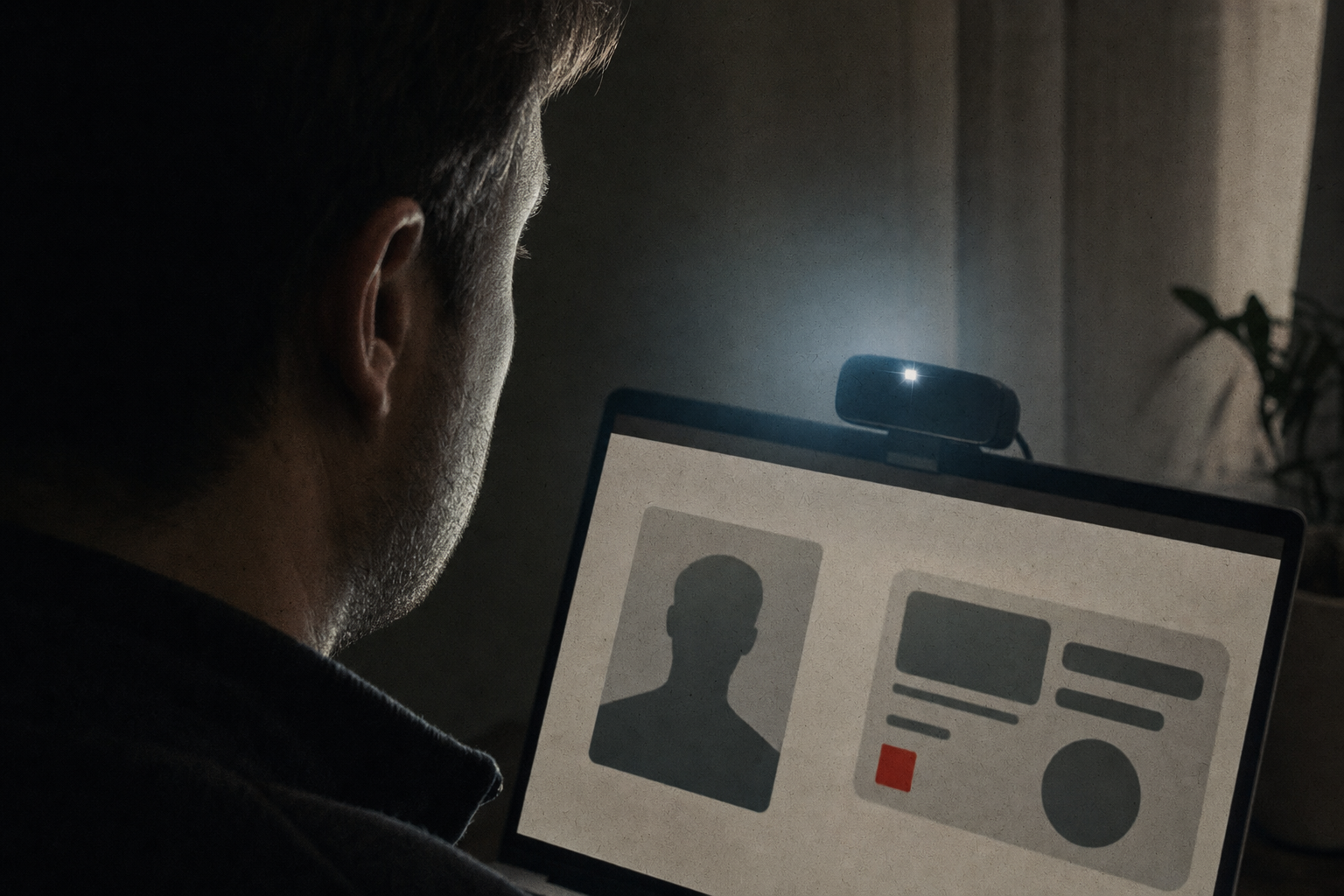
The extra identity step comes from the next layer. The Conditions of Transferring Firearms and Other Weapons Regulations say the seller must confirm that they have taken reasonable steps to verify that the buyer is the licence holder. In person, that means comparing the person in front of them to the photo on the licence. For a transfer that does not happen in person, the RCMP describes two practical routes: a video-call-style comparison, or a second piece of government-issued photo ID if the visual comparison cannot be done.
When a new buyer asks, "Is this normal?", the honest answer is: normal enough.
The better question is why a lawful online purchase still feels like a small identity-theft anxiety exercise wearing a shipping label.
Privacy gets outsourced to the sale
There is a version of this conversation that blames the retailer. That is lazy.
Retailers have better uses for staff time than inventing extra paperwork. A seller has to satisfy the transfer process, protect the business, avoid unlawful transfers, and ship to people they may never meet. If the retailer gets it wrong, the consequences do not land gently.
Buyers are not wrong to dislike it either.
I remember the early online-order part of this hobby as a strange mix of excitement and caution. The rifle or shotgun was the fun part. The less glamorous part was the PAL card on the desk, the order-status page, and the pause before sending another piece of personal information into somebody else's system. It is a very Canadian form of anticipation: half Christmas morning, half bank compliance department.
That pause is rational. A PAL is not just a loyalty card for people who enjoy solvent fumes. It is a federal firearms licence with your identity attached. A driver's licence is also sensitive. Asking buyers to transmit those images creates a privacy burden, even when the retailer is legitimate and the request is lawful.
The system could have been designed to reduce that burden. A stronger federal verification tool could confirm identity, issue the reference number, and return only the minimum confirmation a retailer needs. Instead, too much trust still gets improvised at the counter.
That is not a loophole closing. That is policy design arriving as customer-service awkwardness.
Remote buyers feel it first
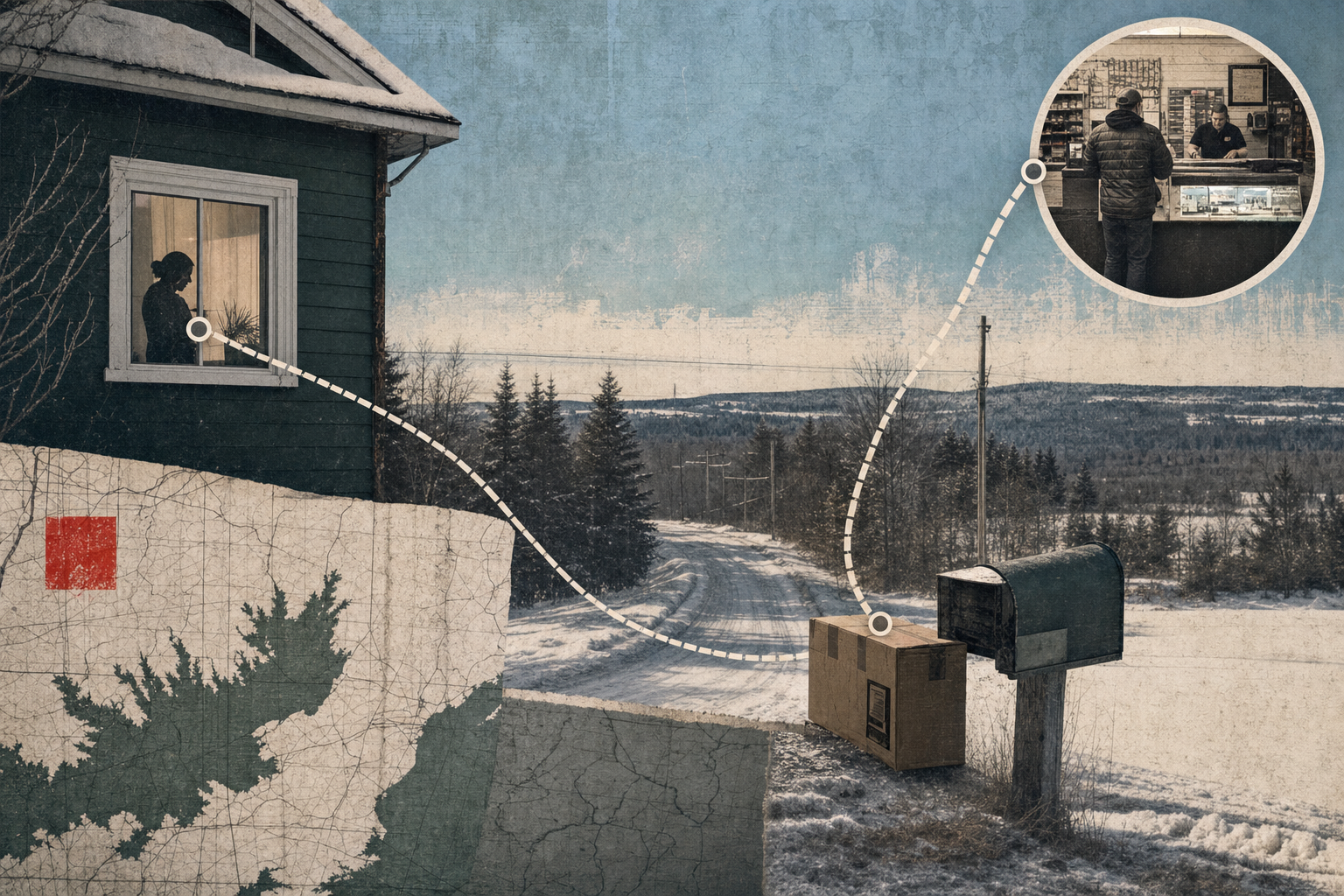
One comment in the thread cut through the whole thing: the buyer lives remote, has no shops nearby, and buys online because Canada Post still delivers.
That is the Canadian part people in Ottawa often miss.
Online firearm retail is not just convenience for people who enjoy tracking numbers. For rural and remote shooters, it is access. It is how they reach inventory, compare prices, replace a broken part, buy a rifle their local store will never stock, or stay in the sport without spending a day driving.
Every extra identity step hits those buyers harder. A person with three stores within 20 minutes can walk in, show the card, and be done. A remote buyer may send documents, schedule a call, wait for review, wait for transfer processing, and then wait again for shipping.
Licence verification is a coherent part of a regulated firearms system. Holdover is not against serious vetting, training, or checking that the person buying the firearm is legally allowed to acquire it.
The objection is narrower and stronger: Canada keeps adding administrative weight to the most regulated population in the file, then acts surprised when lawful ownership starts feeling like a maze designed by people who have never bought anything heavier than a press release.
This is what "already regulated" looks like
The thread also matters because it quietly defeats a bad public story.
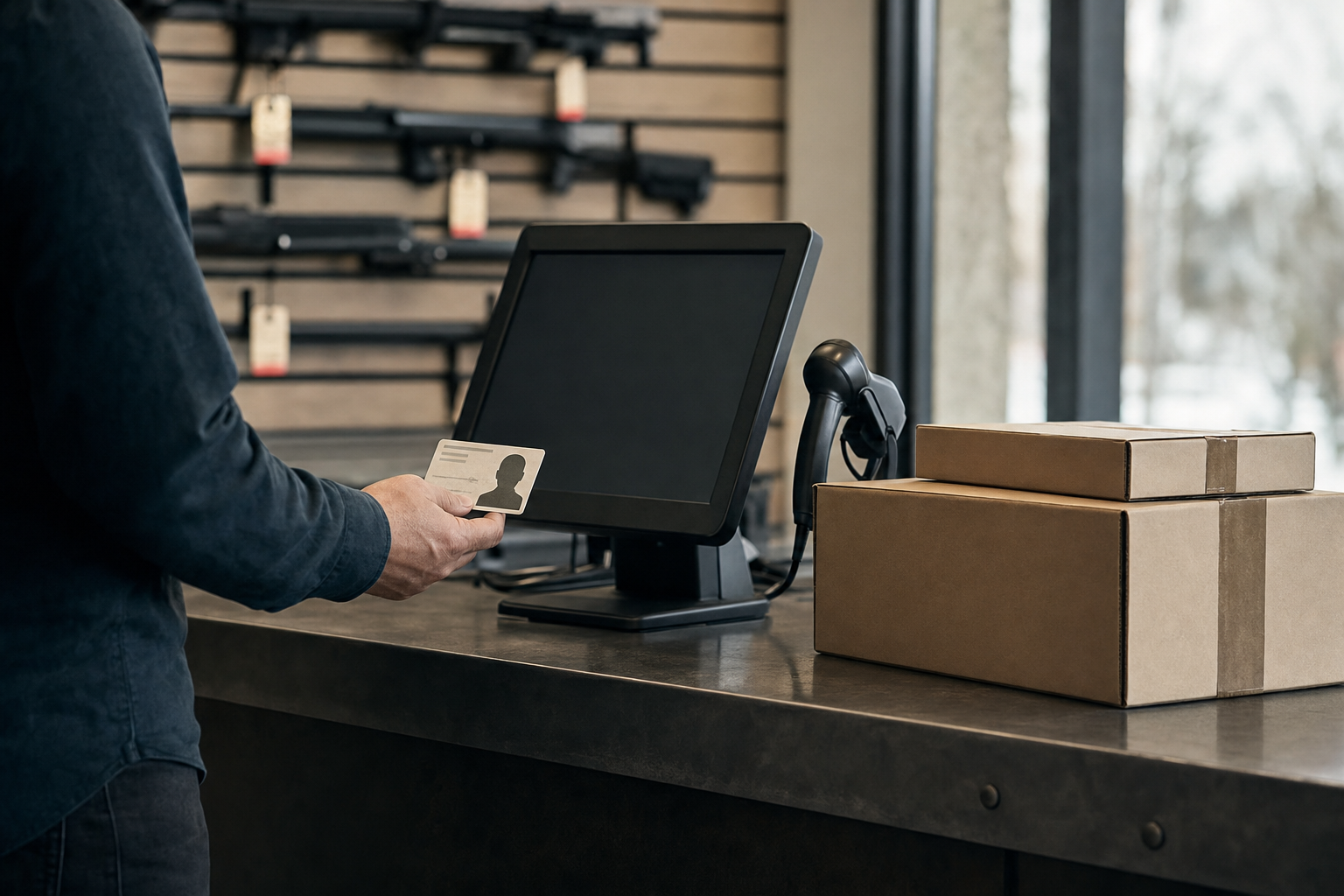
Canadians who do not own firearms often hear "online gun sales" and imagine a casual loophole. The actual lawful process is much less cinematic. A buyer needs the right PAL. The seller needs a firearms business licence if it is a business sale. The transfer of a non-restricted firearm needs a Registrar reference number. The seller has to take reasonable steps to verify identity. Restricted and prohibited transfers are heavier again.
This is why the "loophole" language is so corrosive. It trains the public to see ordinary lawful transactions as suspicious, even when those transactions are already inside a federal licensing and transfer-verification regime. It also trains policymakers to mistake friction for safety.
Friction can support safety when it is targeted and well-designed. Friction can also become a tax on compliance. The difference matters.
Normal is not the same as well designed
For newer shooters, the practical lesson is simple. If an online retailer asks for a video call or additional government photo ID to confirm you are the person on the PAL, do not assume the shop is being weird. Ask how they handle the information. Ask what they need and why. Then remember that the awkwardness is the policy stack showing up in the shopping cart.
For policymakers, the lesson should be more embarrassing.
Licensed owners already live inside a serious regulatory system. They pass the course, apply, wait, provide references, submit to screening, keep the licence current, follow storage and transport rules, and deal with transfer checks. Retailers already carry substantial obligations.
If the state wants sellers to verify identity, it should give them a cleaner tool. If it wants buyers to trust the process, it should stop making them push sensitive documents through uneven retail workflows. And if it wants the public to understand lawful ownership, it should stop pretending the regulated side of the file is somehow unregulated until another piece of friction appears.
The box may arrive by mail.
The lesson arrives before shipping.
Sources
- Reddit / r/canadaguns, "Is it normal?": https://www.reddit.com/r/canadaguns/comments/1toot47/is_it_normal/
- Royal Canadian Mounted Police, "Buying and selling (transferring) firearms": https://rcmp.ca/en/firearms/buying-and-selling-transferring-firearms
- Justice Laws Website, Firearms Act, section 23: https://laws-lois.justice.gc.ca/eng/acts/F-11.6/section-23.html?wbdisable=true
- Justice Laws Website, Conditions of Transferring Firearms and Other Weapons Regulations, section 6: https://laws-lois.justice.gc.ca/eng/regulations/SOR-98-202/section-6.html?txthl=licence
Keep the first PAL steps in order.
If this page has you mapping the licence process, keep the official steps and follow-up notes together.
Use the Holdover PAL/RPAL First-Steps Checklist to keep the official forms, course booking, references, photo, fees, and follow-up notes in one place while you work through the process.
Safety note: the checklist is an orientation aid, not legal advice or a substitute for current RCMP/CFP/CFO guidance or instructor direction.