Your rifle was the *cheap* part
A current Canadian ammo-cost thread says the quiet part clearly: the rifle is only the visible buy-in. The real commitment starts when every range day needs another box.


Update, June 9, 2026. Public Safety Canada has extended the relevant amnesty period. The old the former fixed deadline date referenced below is no longer the operative expiry; the amended expiry is 90 days after the Supreme Court of Canada renders its decision.
Opinion. The first rifle feels expensive until ammunition starts sending invoices.
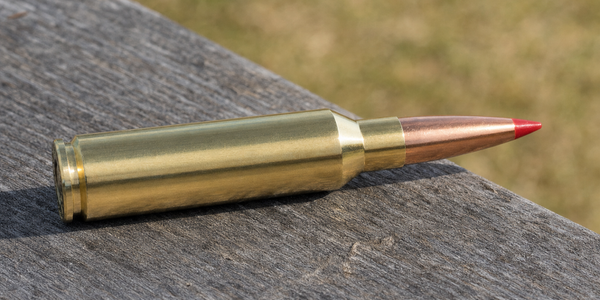
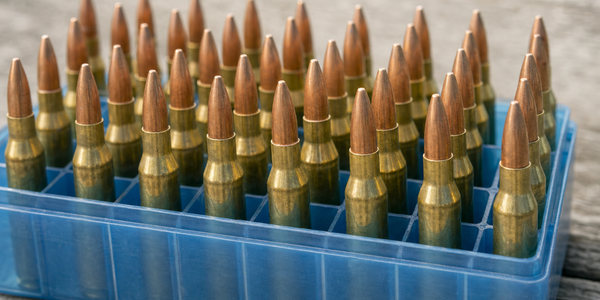
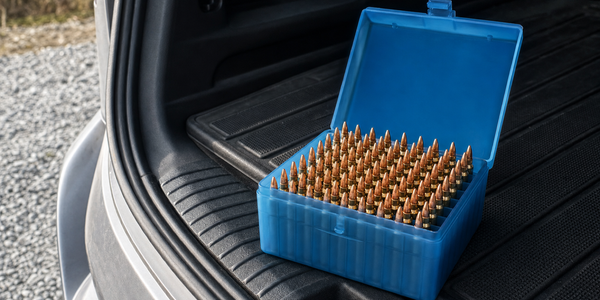
A Canadian shooter on r/canadaguns put the joke plainly on Sunday night: it does not take long for the cost of ammunition to pass the initial cost of the rifle. The post was just a happy pile of rounds, the kind of thing that looks like abundance until you start doing the arithmetic.
That is when the hobby becomes honest.
For a new PAL holder, the rifle is the visible purchase. It is the object you researched, handled, justified, and then carried home with the solemn confidence of a person who has definitely made a mature financial decision. The first few boxes of ammunition feel like accessories.
They are not accessories. They are the real buy-in.
The first bill arrives quietly
The problem with ammunition cost is that it does not feel like one major purchase. It arrives in polite little boxes. Twenty rounds here. Five boxes there. A sleeve of .22 to justify the shipping. A second calibre because the first rifle needed a friend. A match load because the cheap stuff made your target look like it was filing a complaint.
Then the range day ends and you realize the rifle was the down payment on a habit.
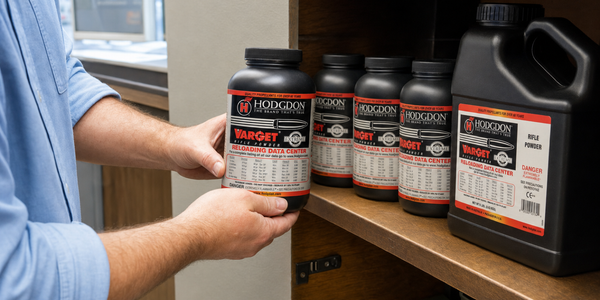
I learned this lesson backwards, which is apparently my preferred learning style. I got into handloading after staring at Canadian factory match prices and deciding a press would pay for itself. That conclusion was not wrong. It was just incomplete in every expensive way.
Before the press, a 10-shot group has a cost. After the press, the same group has a cost, a process, a chronograph string, a brass-life question, and a quiet suspicion that another tool would make the next batch less embarrassing.
That is progress, technically.
Reloading is not a coupon code
The Reddit comments went exactly where experienced shooters would expect: reloading. One shooter points at factory prices. Another points at component costs. Someone mentions .308. Someone else mentions straight-wall lever cartridges. Before long, the thread is doing what Canadian gun threads often do well: turning a funny range-bag moment into practical math.
Reloading can absolutely make sense. If you shoot enough volume, especially in precision rifle or expensive hunting calibres, the savings per round become real. It also gives you control. You can tune ammunition to a rifle, keep better records, and separate equipment problems from shooter problems with more discipline than factory boxes allow.
But handloading is not a magic discount code hidden under the press handle.
The costs hide in places the first calculation usually misses: equipment, time, and temperament. Press, dies, shellholders, calipers, scale, trimmer, tumbler, manuals, gauges, comparators, chronograph, case lube, storage, and bench hardware all cost real money despite looking like drawer clutter. Brass needs prep. Notes need writing. Mistakes need diagnosis, although they are admirably committed to appearing.
Then there is the human part. Some shooters want ammunition. Some shooters want a process. Those are different people on different Saturdays.
Shoot enough to earn the math
The best argument for reloading is not "it saves money." That sentence has ruined more budgets than it has fixed. The better argument is narrower: reloading can lower the cost of meaningful practice if you shoot enough, track honestly, and avoid pretending the bench is free.
That is where newer shooters should start.
Do not begin with the fantasy rifle. Begin with the round count. How often will you actually shoot? How many rounds per session? What does one useful month of practice cost with factory ammunition? What does the same month cost if you reload, including brass life and equipment?
That is why Holdover has a reloading cost calculator. Not because spreadsheets are romantic. They are not. A spreadsheet has never once made a rifle more handsome. It exists because "I will save money" is too vague to be trusted around gun owners with credit cards.
For a new shooter, this matters more than most upgrade advice. A rifle you can shoot twice a year is a less useful rifle than a modest setup you can practise with every month. Good ammunition matters. Good optics matter. Good gear matters. None of it matters if the cost per trigger press makes you ration practice like it came through wartime shipping.
The policy file misses this part
Canadian firearms policy spends a lot of energy treating ownership as a problem to be managed. The Firearms Act, Chief Firearms Officers, registration rules for restricted and prohibited firearms, range approvals, transfer rules, the Firearms Reference Table, and the current buyback machinery all sit around the lawful owner before a single round is fired.
That is the part Ottawa sees.
What it rarely sees is the ordinary discipline inside the hobby: a new shooter budgeting for practice, a precision shooter comparing factory lots, a handloader learning that consistent brass prep matters more than buying another rifle.
The RCMP's 2024 Commissioner of Firearms Report counted 2,425,627 individual firearms licences in Canada, including PALs and Minor's Licences. It also counted 4,033 licensed firearms businesses, with 1,647 licensed to sell only ammunition. In other words, this is not a fringe corner of the economy or a few obsessives whispering over powder scales. It is a large, regulated, ordinary Canadian activity.
Meanwhile, Public Safety Canada's current buyback page still says individual owners must dispose of or permanently deactivate affected firearms before the SCC appeals + 90-day amnesty endpoint, or risk criminal liability. That is the political weather lawful owners live under while they are doing very normal things: buying ammunition, booking range time, and trying to become competent.
Policy that cannot see that ordinary life will keep making bad tradeoffs.
Buy what you can afford to shoot
The useful lesson in that ammo-cost thread is not that rifles are cheap. They are not. It is that the sticker price on the rifle is only one line in a longer budget.
New shooters should hear this early, preferably before the safe starts breeding calibres.
Buy the rifle you can feed. Pick the cartridge you can practise with. Spend money on ammunition before ornaments. If you are going to reload, run the math first and be honest about whether you want the second hobby. The press can be a brilliant decision. It can also be a very expensive way to discover that you hate case prep.
I still think handloading is worth it. I like the control, the records, the problem-solving, and the small humiliations of being corrected by a target at 100 yards. But I no longer pretend the press is just a savings machine. It is a commitment machine.
That may be the better way to think about ammunition too.
The rifle gets you in the door. The rounds decide whether you actually stay.
Sources
- Reddit / r/canadaguns, "They weren't joking when they said 'It won't take long to surpass the initial cost of your rifle with ammo'": https://www.reddit.com/r/canadaguns/comments/1tmsmp3/they_werent_joking_when_they_said_it_wont_take/
- RCMP, "2024 Commissioner of Firearms Report": https://rcmp.ca/en/corporate-information/publications-and-manuals/2024-commissioner-firearms-report
- Public Safety Canada, "Firearms Buyback Program": https://www.canada.ca/en/public-safety-canada/campaigns/firearms-buyback.html
- Justice Laws Website, "Firearms Act": https://laws.justice.gc.ca/eng/acts/F-11.6/index.html
Set up the bench before the first mistake.
If this piece has you thinking about a first reloading bench, slow the buying part down and make the safety/process part visible.
Use the Holdover Reloading Bench Setup Checklist to track manuals, press, dies, scale, calipers, case prep, labels, storage, bench layout, safety routine, and what still needs an experienced second look.
Safety note: the checklist does not provide load data, recommend charge weights, teach reloading, or replace current published manuals, manufacturer instructions, qualified instruction, or applicable law.