After Quebec votes, *19 seats* behind the firearms pledges
Preliminary results put 19 Conservatives in Quebec’s 127-seat Assembly. The next tests for firearms pledges are a registry bill and a collection decision.

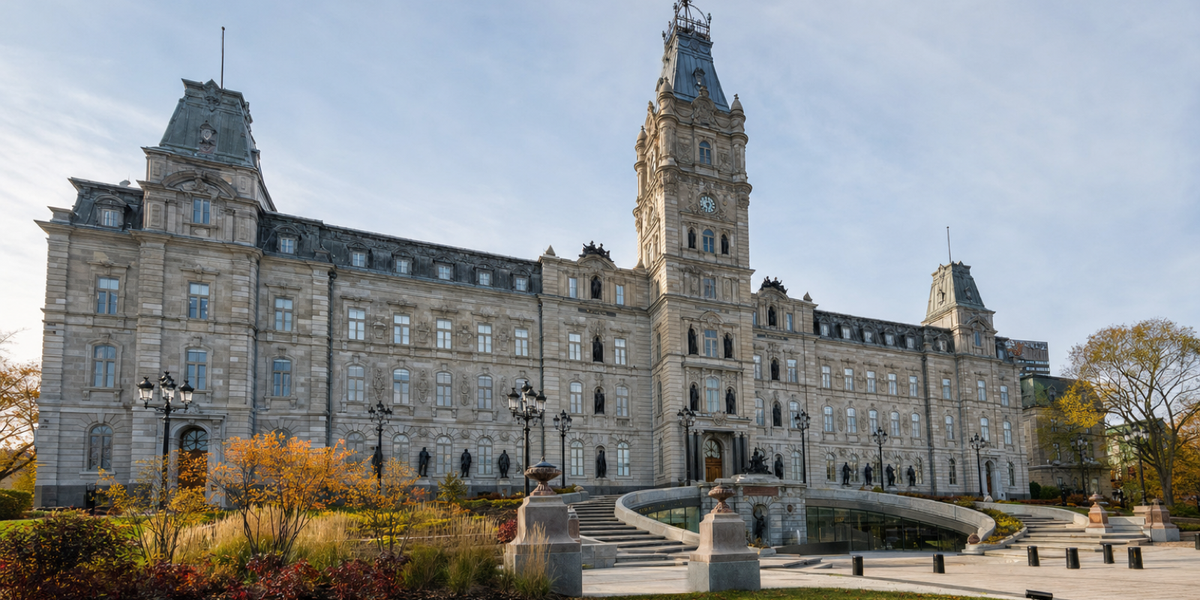
Opinion. Election figures below are preliminary results checked on October 6, 2026.
Nineteen seats give Quebec's firearms owners a new set of names to hold to two specific promises.
With counting complete after the October 5 election, Élections Québec's preliminary results show the Parti conservateur du Québec ahead in 19 ridings. The party campaigned on abolishing Quebec's non-restricted firearms registry, administered by the Service d’immatriculation des armes à feu (SIAF), and refusing provincial participation in the federal buyback.
Those commitments now have a prospective parliamentary group behind them. For owners following this file, the useful next questions are specific: who will introduce the registry legislation, what would it change, and what position will the Quebec government take on its collection agreement with Ottawa?
Holdover examined the platform last week. The election result adds something the platform could only seek: seats from which its authors can be pressed to act.
A divided Assembly
At the official results page's 02:23 update on October 6, all 20,704 polling stations had reported. The Parti québécois led in 59 ridings, the Liberals in 40, the Conservatives in 19 and Québec solidaire in nine. The Coalition avenir Québec led in none.
Quebec's electoral map now has 127 ridings, following legislation adopted in June. Sixty-four seats would be more than half the full Assembly. Every party in the preliminary count falls below that number.
The election authority still labels these figures preliminary. It explains that results become official after the next-day vote tally in most ridings. A completed election-night count and the subsequent official result are separate stages; this article uses the former.
That arithmetic leaves the PCQ with a visible group of prospective members and a need for support beyond its own benches. Any claim about a governing arrangement, a deal on firearms policy or guaranteed passage would need additional evidence. The seat totals establish none of those arrangements.
For owners, there is value in keeping the next request narrow. A member can be asked whether they support a particular bill, which provisions they would change and when they expect those changes to take effect. Those answers can be checked against a public record.
The registry pledge needs a bill
The PCQ's justice and public-security platform contains two distinct commitments: abolish SIAF and refuse participation in the federal buyback. A fresh check of the document found the same platform Holdover reviewed before voting day.
The registry promise concerns a provincial statutory duty. Ending that duty would require legislation to pass, receive assent and take effect. The National Assembly's guide to bills explains that assent makes a bill law, while the date its provisions take effect can come later.
That makes the text of a repeal proposal the next useful document. Owners should be able to see which duties would end, how existing records would be handled and whether any transition period would apply. Those are questions for proposed legislation; the platform alone leaves them open.
The frustrating part for an owner trying to plan is having to assemble the answer from a platform, provincial guidance and federal programme notices. I want the promised change spelled out in one proposed law, with its dates. I would judge progress by those details. A bill number, its text, its progress through the Assembly and its effective dates would give owners something concrete to follow. Another restatement of the campaign promise would add little.
There is also room for a direct question to members outside the PCQ: what, if anything, would they support changing? The election totals make support beyond the Conservative group consequential. Answers should identify the proposed change clearly enough that owners can compare the eventual vote with the commitment.
Quebec's collection decision follows a separate path
Ottawa and Quebec announced an agreement in January for Quebec to coordinate collections under the federal compensation programme. The PCQ's pledge challenges provincial participation in that arrangement.
The next evidence here would be an explicit government position and a clear account of what would happen to the existing agreement. Owners waiting for collection instructions deserve dates, responsibilities and a practical explanation of any change. The preliminary election result supplies no replacement instructions.
A withdrawal proposal would also need to explain the consequences for owners whose firearms remain subject to federal restrictions. Provincial administration and the federal rules have different legal sources. Changes to Quebec's role would have to be assessed against the federal requirements still in force.
The current federal amnesty provision ties its endpoint to specified Supreme Court appeals: 90 days after the latest of those appeals ends by judgment, dismissal or discontinuance. The old fixed October 30 date in earlier programme announcements has been superseded. Predicting an election-driven deadline would give owners an answer the operative federal text does not provide.
The rules owners still have to follow
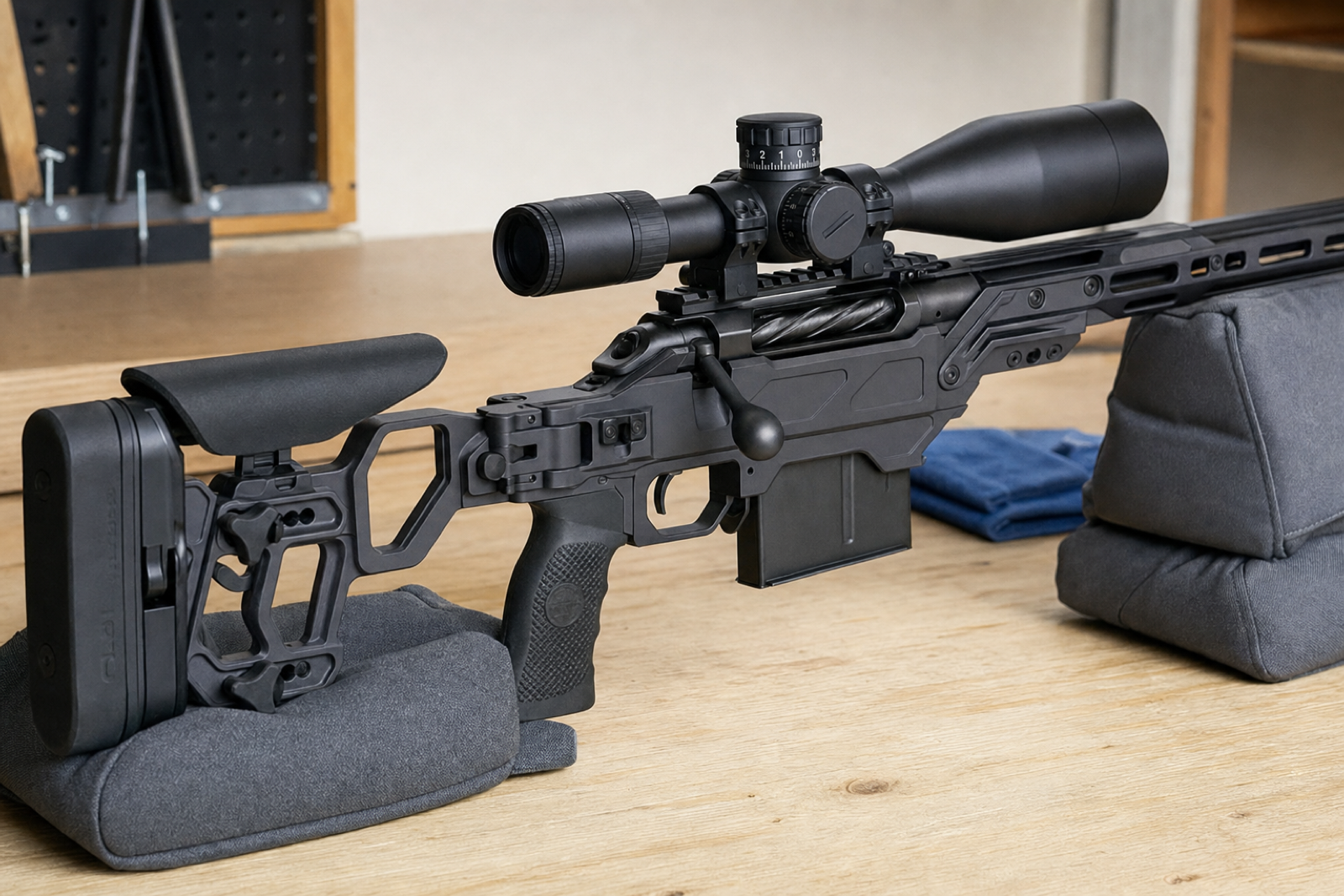
Quebec's current owner guidance continues to describe registration requirements for non-restricted firearms in the province, subject to the listed exceptions. Owners need to follow the requirements that apply to their circumstances while any proposed changes move through the relevant process.
For someone looking at the same rifle the morning after voting, the immediate administrative duties continue. The political change matters because there are now prospective members whose actions can be compared with a specific written promise.
That is where I would keep the pressure: on a registry proposal with readable provisions, and on a government explanation of the collection agreement. Each would let owners assess what changes, when it changes and what they need to do.
The useful follow-up to 19 seats is a proposed law owners can read and a collection decision they can verify.
Sources
- Élections Québec: preliminary provincial results, official results feed and 2026 electoral map.
- Parti conservateur du Québec: justice and public-security platform, page 3 of the PDF.
- National Assembly: how bills become law.
- Quebec government: owners covered by the Firearms Registration Act.
- Public Safety Canada: January 7 Quebec coordination agreement.
- Canada Gazette: SOR/2026-114, operative amnesty amendment.
The amnesty file is still moving.
If this piece sent you back to government pages, do not wait for the next portal, Gazette, or court move to find you by accident.
The Dispatch follows Public Safety, RCMP, Canada Gazette, court, compensation, collection, and amnesty updates so the next change comes with the source that moved.
Safety note: the tracker is a worksheet for source hygiene, not legal advice or a substitute for current official guidance.