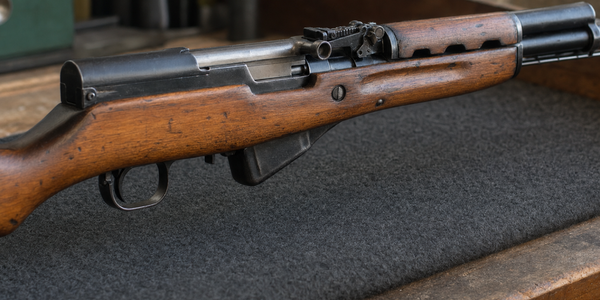
Safety courses keep *filling* under the handgun freeze
Toronto's course board is a small signal, but an honest one: even under the handgun freeze, new Canadian shooters are still paying to learn the lawful path.

Opinion. A course calendar is a boring place to find optimism. That is probably why I trust it more than a press conference.
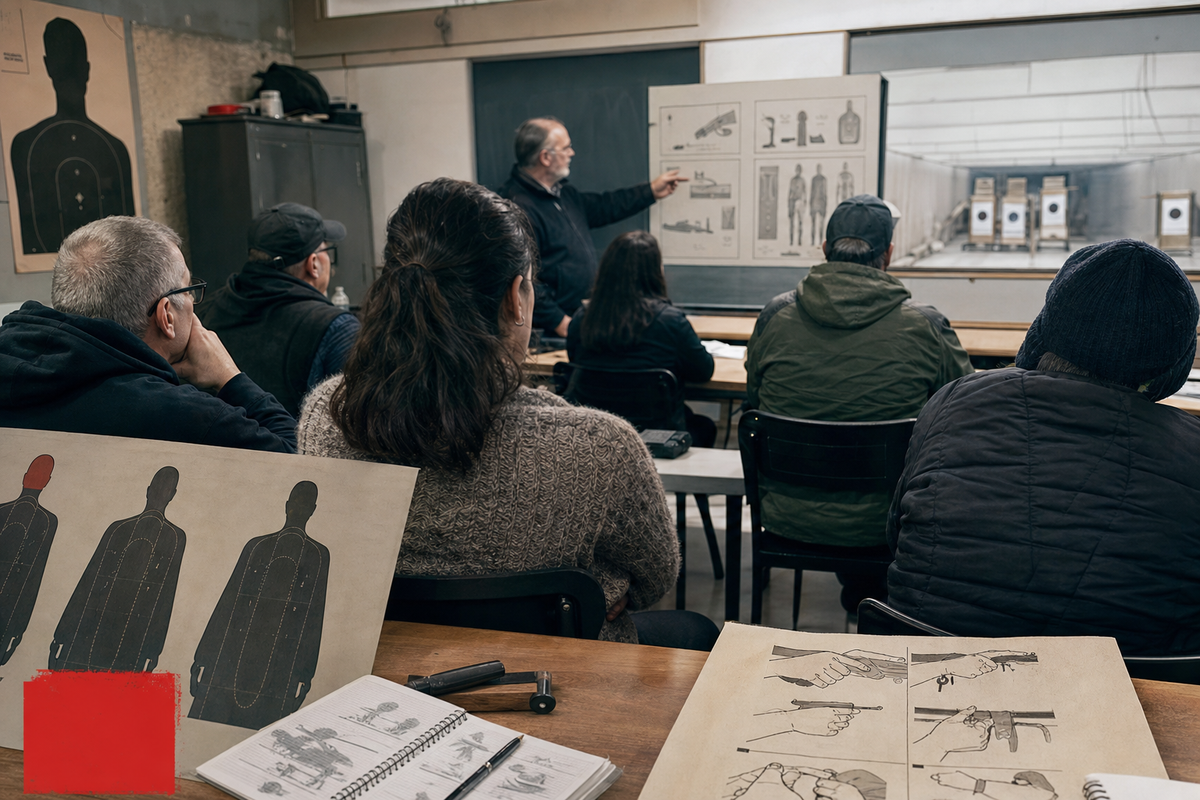
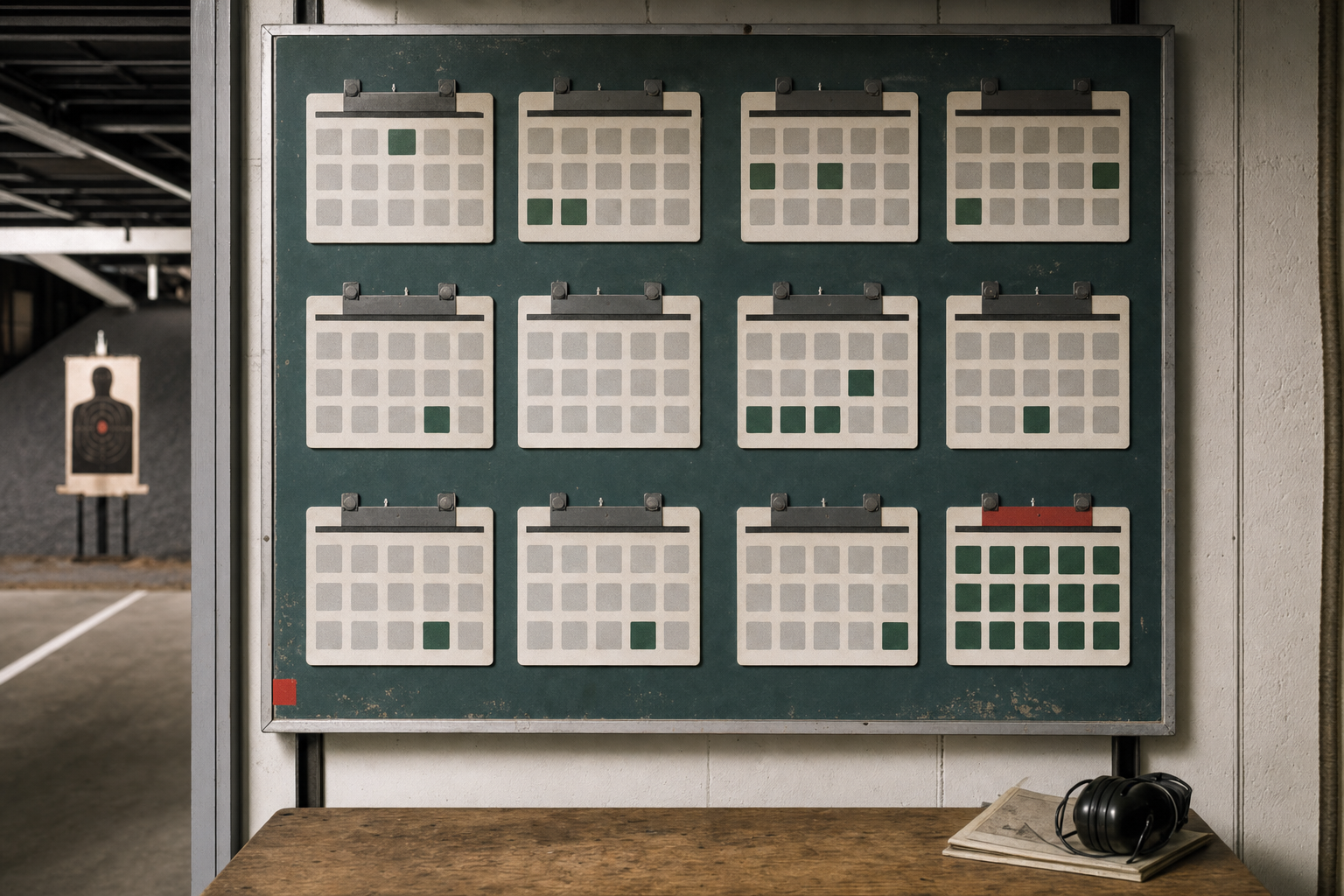
Toronto Firearm Safety Services posted a May 13, 2026 update showing its May 23 and 24 CFSC/CRFSC combo course down to one remaining seat, with later May and June combo courses still open. The same page says its courses "always sell out," which is marketing copy, yes, but the board still tells a plain story: people are booking the lawful path into Canadian firearms ownership.
That should interest Ottawa.
It probably will not, because a room full of adults paying HST to be tested on safe handling is an inconvenient villain. Hard to fit on a podium. Even harder to blame for street crime without doing serious damage to the English language.
The useful point is smaller and better. After years of bans, freezes, prohibitions, confiscation language, FRT churn, and political theatre around licensed owners, new Canadian shooters are still showing up. They are taking the course. They are reading the material. They are learning the rules before buying anything. Some are taking the restricted course even though the federal handgun freeze has sharply narrowed what an ordinary individual can acquire.
Ottawa froze a market. It did not freeze curiosity.
The course board is the signal
The federal handgun freeze came into force on October 21, 2022, and Public Safety Canada says it was later codified through former Bill C-21. The federal description is blunt enough: individuals can no longer acquire handguns in Canada except in specific cases, including certain lawful professional uses and training, competing, or coaching in handgun disciplines on the Olympic or Paralympic programme.
For most people who missed the deadline, the handgun door is closed.
That makes the continued interest in restricted-course training worth noticing. The CRFSC still teaches the law. It gives newer shooters the background to understand classifications, range rules, club requirements, transport, rentals, and the political mess they have just walked into. It also gives them a more complete map of the system, even when the system has decided to brick up one of its own hallways.
I remember how much of my own early path was less romantic than people imagine. It was course reports, range briefings, awkward questions at the counter, and the slow discovery that every simple gear question has four answers and two of them are wrong. My first range days were not about culture-war speeches. They were about listening carefully, trying not to look like an idiot, and learning that this sport rewards patience in the most expensive way possible.
That is the part the policy debate keeps missing. The lawful path is already a path. People are still choosing it.
What a new shooter actually signs up for
The Canadian firearms path is not casual.
A new adult applicant working toward a Possession and Acquisition Licence needs safety training, identification, a photo, references, fees, and the patience to wait while the application moves through the system. The RCMP's current PAL application information sheet says there is a minimum 28-day waiting period for applicants who do not already hold a valid firearms licence, and that the PAL is valid for five years. For non-restricted firearms, the applicant must have passed the CFSC. For restricted firearms, the applicant must have passed both the CFSC and CRFSC.
That is before the purchase. Before the safe. Before the range membership. Before the first moment at a club when someone kindly explains a rule you thought you understood and suddenly you are glad you kept your mouth shut.
The political caricature gets especially stale here.
The person in that classroom is entering through the front door. They are paying for training, learning classifications, waiting on paperwork, and trying to do the thing properly. That does not make every firearms owner wise, careful, or charming. Spend 20 minutes in any hobby and the illusion dies peacefully. It does mean the licensed path is already a controlled path.
If a government wants a culture of compliance, treating compliant people as the easiest political target is a strange way to show it.
The first gear question is usually wrong
The first instinct after a PAL is to ask, "What should I buy?"
Fair question. Usually early.
A better first question is, "What kind of shooting do I actually want to do for the next year?"
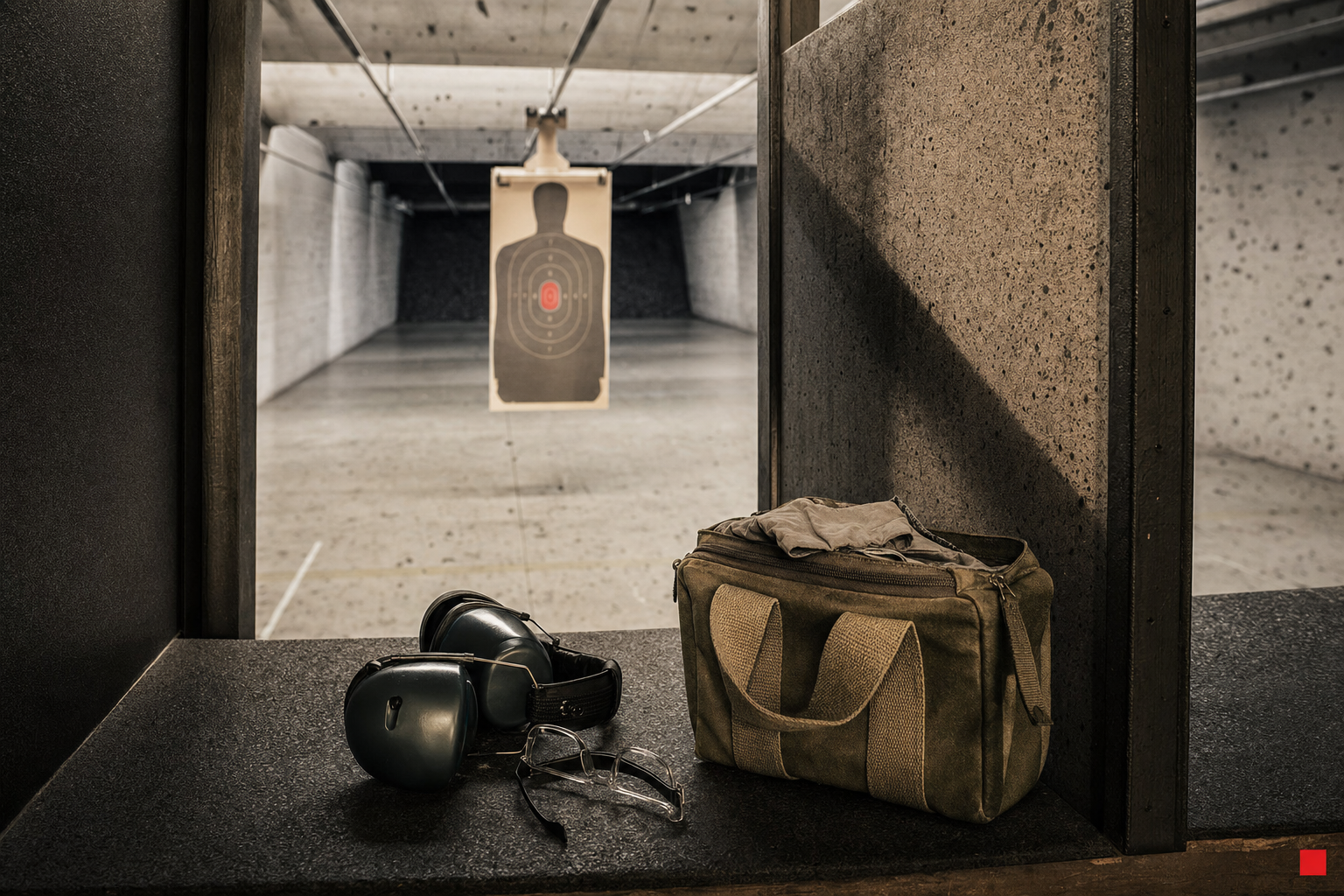
That question saves money. It also saves a lot of false confidence. If you want to learn basic marksmanship and shoot often, a good .22 and a pile of ammunition will teach more than an expensive centre-fire rifle that only comes out twice a year. If you want to hunt deer, the answer changes. If you want clays, it changes again. If you are precision-curious, you do not need to begin with a fantasy build. You need a rifle you can afford to feed, a scope that tracks well enough, a data book or app, and enough range time to find out whether you enjoy being humbled by wind.
I like gear as much as the next person who has made the tragic mistake of pricing optics after midnight. Still, most beginners do not need a shopping list as much as they need a plan. Eye and ear protection that actually fit. A proper case. A basic cleaning kit. Targets. A stable rest. A decent sling where it applies. Ammunition from the same lot when you are trying to learn what the rifle is doing. After that, spend slowly.
New shooters are not just buying objects. They are building habits.
That is why a full or nearly full safety class matters more than it looks like it should. It is not a product launch. It is the start of someone becoming competent.
The case Ottawa thinks it is making
The government's position should be stated fairly. It argues that reducing access to handguns and certain semi-automatic firearms improves public safety. Public Safety Canada describes former Bill C-21 as part of a broader package addressing handgun acquisition, firearms classification, smuggling and trafficking, ghost guns, licence requirements, and red-flag and yellow-flag measures. Supporters argue that fewer firearms in circulation means fewer opportunities for harm.
Public safety matters. That is why the licensing system exists.
The weakness is the target selection. Ottawa keeps reaching first for people it can already find.
Licensed owners have names, addresses, references, course records, renewal dates, and documented transactions. They are clean administrative targets. That does not make them the main source of violent crime. It makes them convenient.
Real public safety work is harder. It means border enforcement that disrupts smuggling. It means repeat violent offenders staying in custody when the facts justify it. It means tracing crime guns clearly enough that the public can see where the problem is coming from. It means admitting that a CFSC classroom is not a trafficking network with better lighting.
The distinction matters because policy effort is finite. Every hour spent squeezing the people already inside the system is an hour not spent on the people avoiding it entirely.
Start with the classroom
No one should stretch a course board into proof that everything is fine in the firearms community. The handgun freeze damaged whole parts of the sport. The OIC and FRT prohibitions of the past six years stranded lawful owners, distorted the market, and taught a lot of Canadians that following the rules is no protection when the rules become politically inconvenient.
But the continued course demand is still good news.
It means the next wave of shooters has not disappeared. People are still willing to learn the law before they buy. The culture is not only old inventory, old arguments, and old frustration. It is also beginners with course questions, range plans, and the dangerous early belief that one rifle will probably be enough.
Good luck with that.
The community should meet those people properly. Give them useful advice. Point them toward clubs. Tell them what gear matters and what can wait. Explain why the politics matter without making politics the only thing the sport has to offer.
New shooters do not need 10 years of forum bitterness dumped on them before they have even learned how to staple a target. They need a path.
The path still exists.
Ottawa can keep pretending lawful firearms ownership is a problem to be managed out of public life. The people signing up for safety courses are offering a quieter answer. They are walking into a classroom, paying the fee, taking the test, and doing the regulated thing the regulated way.
Start there.
Related Holdover Tools
Useful calculators and references from the same corner of the Holdover bench.
Sources
- Toronto Firearm Safety Services, May 13, 2026 course schedule update, accessed May 15, 2026.
- Public Safety Canada, Former Bill C-21: Keeping Canadians safe from gun crime, date modified August 13, 2025, accessed May 15, 2026.
- RCMP, What you need to know: changes to handgun transfers, accessed May 15, 2026.
- RCMP, Application for a Possession and Acquisition Licence Under the Firearms Act - RCMP GRC 5592e, January 2026 form, accessed May 15, 2026.
Keep the first PAL steps in order.
If this page has you mapping the licence process, keep the official steps and follow-up notes together.
Use the Holdover PAL/RPAL First-Steps Checklist to keep the official forms, course booking, references, photo, fees, and follow-up notes in one place while you work through the process.
Safety note: the checklist is an orientation aid, not legal advice or a substitute for current RCMP/CFP/CFO guidance or instructor direction.